
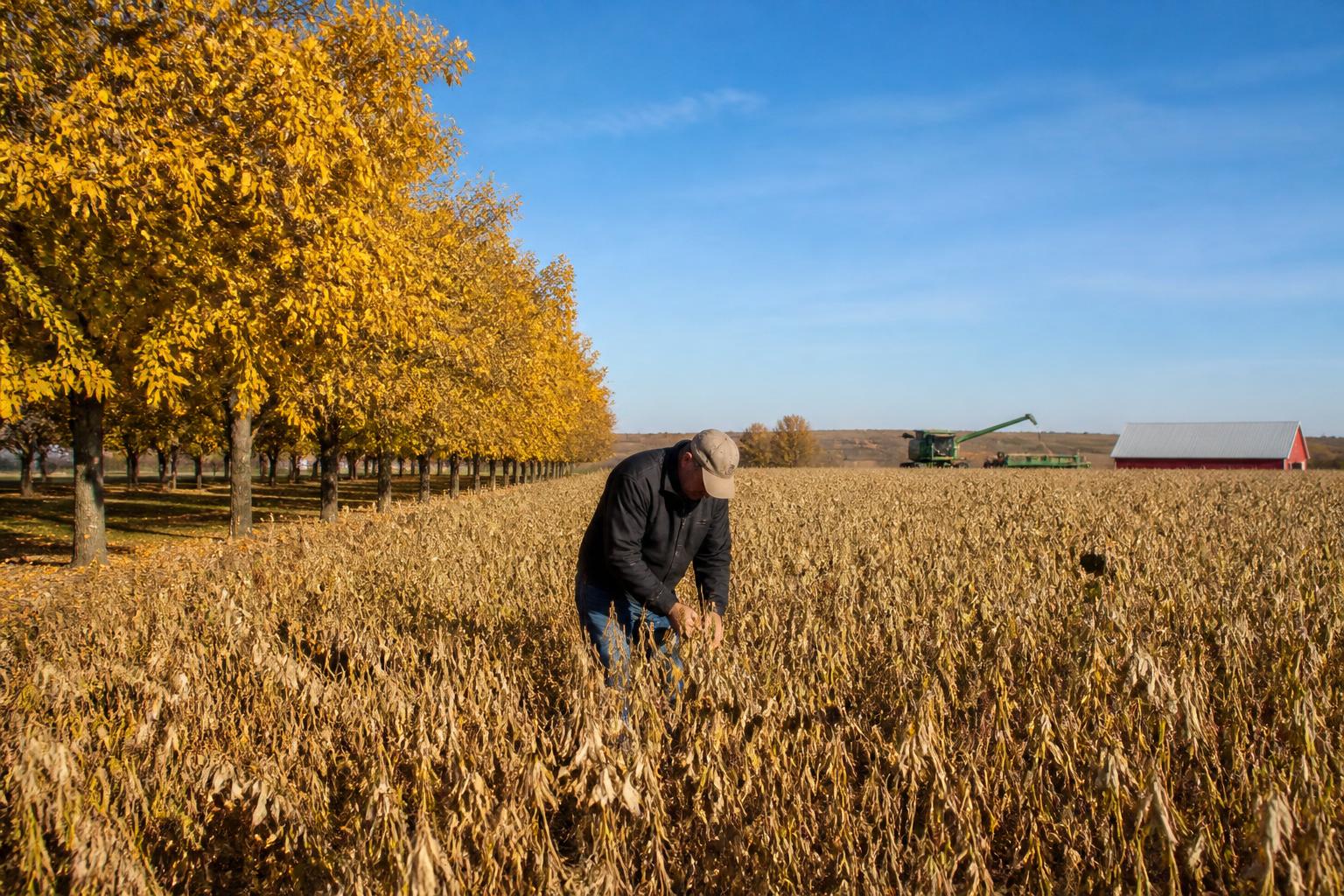
As South Carolina producers navigate the final stages of the fall season, the agricultural landscape remains focused on balancing harvest outcomes with long-term resource management. Recent national reports indicating adjustments in corn and soybean production forecasts are prompting local handlers and farmers to refine their storage and marketing strategies as regional supplies stabilize.
For those managing grain logistics, staying informed on current seasonal trends and regional pricing remains essential. Efficiency in moving crop from field to bin or terminal continues to be a primary focus as the state enters the post-harvest phase.
Support for Field Integrity and Diagnostic Accuracy
Maintaining high standards in crop health is vital for sustained productivity. The recent national accreditation of the Clemson Plant and Pest Diagnostic Clinic serves as a significant resource for local growers, providing a reliable backbone for disease management and input decisions. Accessing professional diagnostic support can help mitigate risks during the transition into winter, ensuring that soil and crop protection strategies are backed by accurate data.
Furthermore, the ongoing emphasis on land conservation, exemplified by recent efforts to protect family-owned acreage, highlights the importance of sustainable stewardship. Whether evaluating land use for future planting or managing field risks, these long-term commitments to the land often define the resilience of South Carolina's rural economy.
Infrastructure and Regulatory Updates
Advancements in agricultural infrastructure, including the integration of drone technology for Department of Transportation surveying, signal a broader shift toward modernized logistics in the Mid-Atlantic. Such developments may eventually impact local transport corridors, potentially offering smoother, more data-driven solutions for moving inputs and harvest loads across the state.
As producers and agribusinesses adjust to these changes, keeping an eye on transportation fleet considerations will remain a priority throughout the winter months. Proactive planning regarding equipment readiness and route management can provide a competitive edge as the market prepares for the next production cycle.
What it means for the market
The convergence of updated national commodity outlooks and localized infrastructure improvements presents a complex but manageable environment for South Carolina agribusinesses. By leveraging regional diagnostic resources and staying adaptable to logistical advancements, stakeholders can better position their operations to navigate the seasonal volatility typical of this time of year.
Comments
No comments yet - be the first to share your take.