
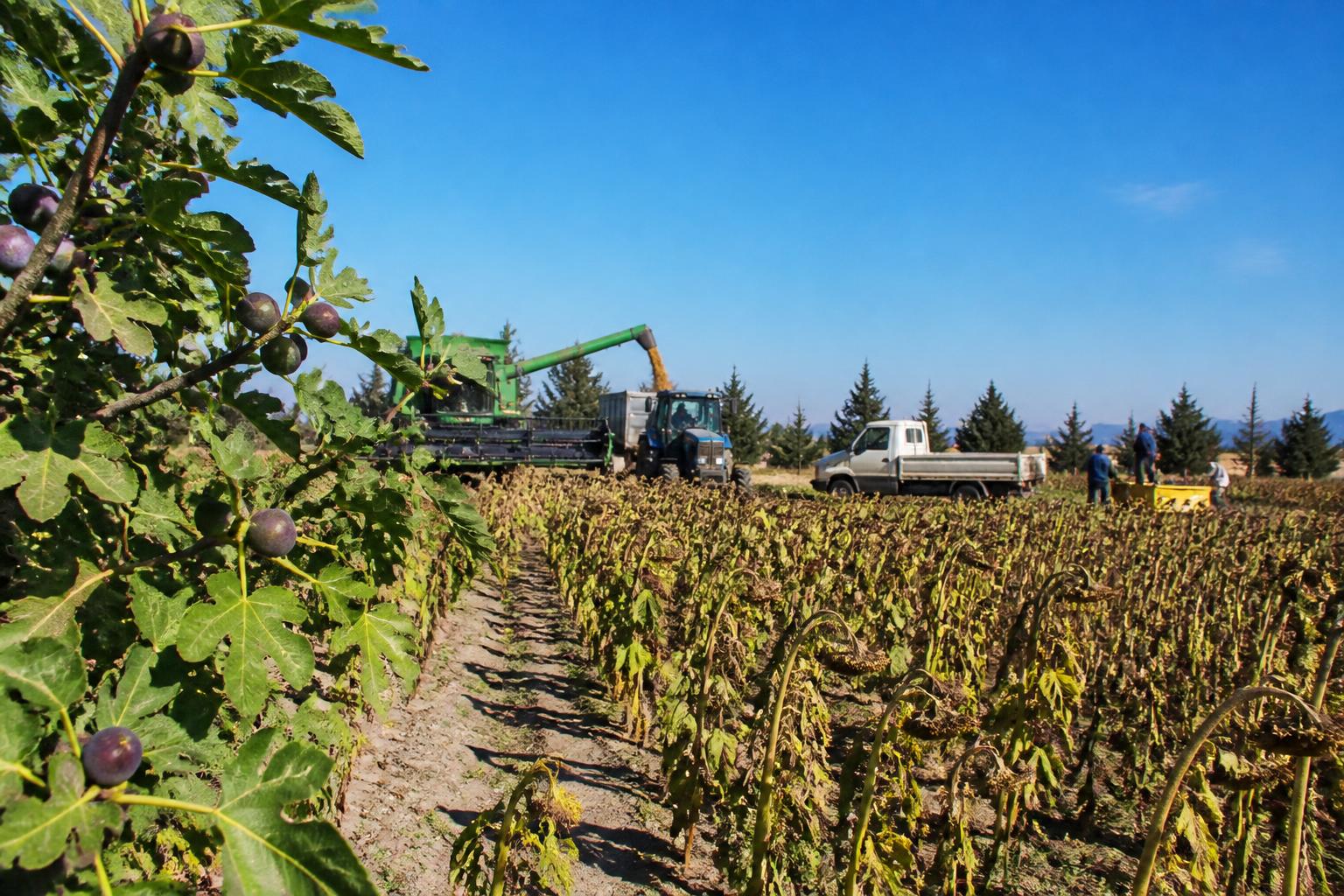
As producers wrap up fall field work and begin planning for the upcoming season, the Environmental Protection Agency (EPA) has released new updates concerning pesticide tolerances and product registrations. These regulatory shifts are essential for growers and agronomists to review as they evaluate their crop protection and chemical application strategies.
New Tolerances for Sunflowers and Specialty Crops
The EPA has established a time-limited tolerance for residues of isocycloseram in or on sunflowers. This action, set at 0.4 parts per million, follows an emergency exemption authorization. Growers utilizing this chemistry should note that this specific tolerance is currently slated to expire on December 31, 2029. Additionally, new residue tolerances for ethephon have been finalized for figs, providing clearer compliance guidelines for specialty crop producers.
Managing Product Registration Changes
Beyond new tolerances, the agency has issued a formal cancellation order for certain pesticide product registrations. For agribusinesses and input retailers, these changes necessitate a review of existing inventories and supply chain commitments. Understanding how these protection strategies adjust in a changing regulatory landscape is vital for maintaining compliance and ensuring the availability of effective weed and pest control tools.
What it means for the market
For growers and retailers, the takeaway is clear: stay informed on current label requirements and expiration dates. As regulatory frameworks shift, proactive planning—especially regarding the use of emergency-authorized products—can prevent mid-season supply disruptions. Always confirm that your specific chemical application plans align with the most recent federal registration status before securing inputs for the next planting cycle.
Comments
No comments yet - be the first to share your take.