
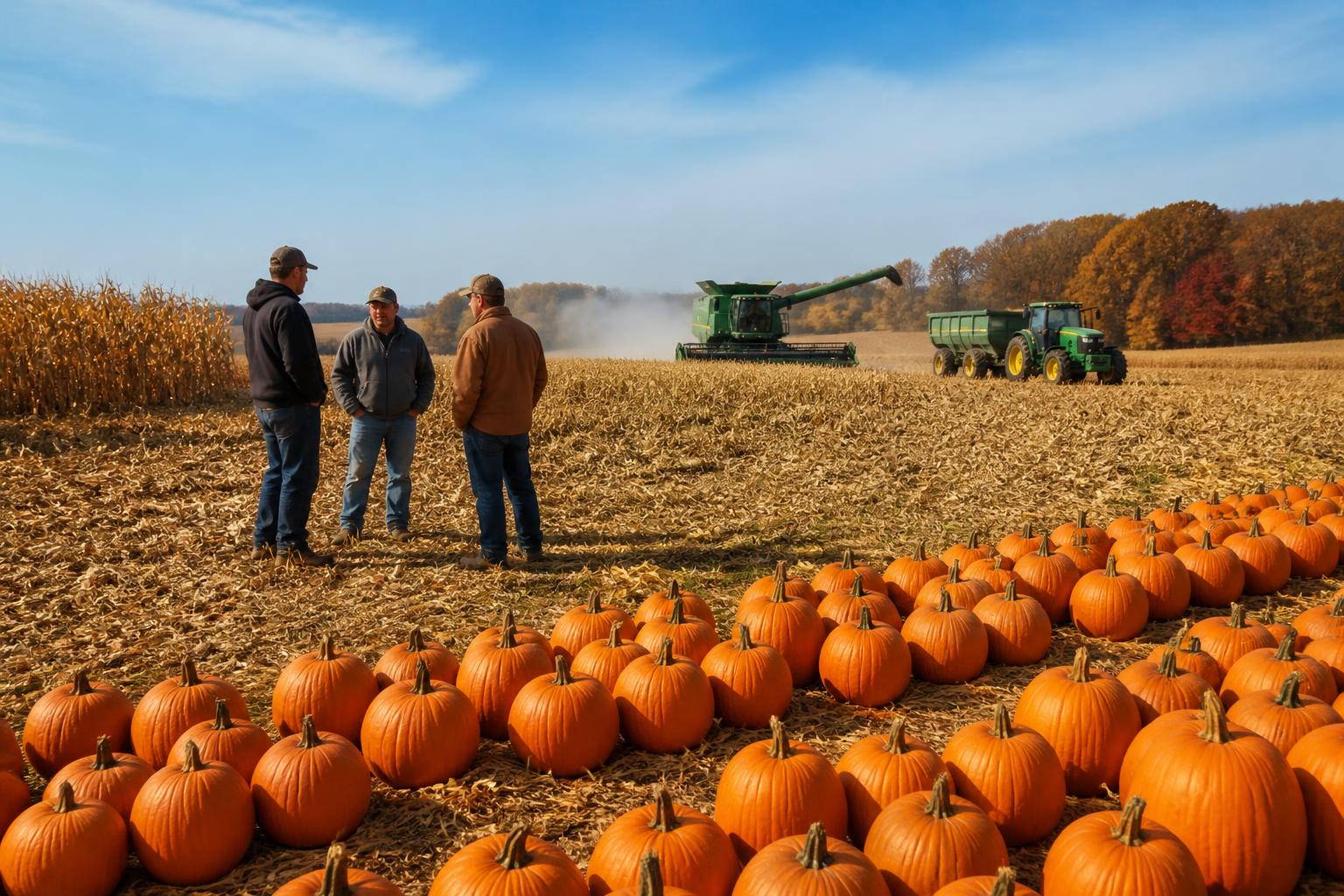
With the fall harvest cycle largely wrapping up across Colorado, agricultural managers are shifting their focus toward long-term planning and input procurement. While the immediate pressure of the season eases, producers across the state are keeping a close watch on global market dynamics that could influence the availability and cost of essential crop protection tools next spring.
Global Market Headwinds and Local Impacts
The global landscape for crop protection remains fluid as international trade policies and regulatory actions create ripple effects for domestic input supplies. Recent reports suggest that major agricultural exporters, including Brazil, are exploring significant tariff hikes on imported pesticides. Such shifts in the international market often create uncertainty regarding the cost-effectiveness and accessibility of key chemical inputs. For many Colorado operators, staying informed about these developments is essential when mapping out fertility and crop management strategies for the coming year.
Furthermore, regulatory scrutiny continues to evolve globally, which may occasionally impact the registration or availability of specific products. Farmers and agronomists are encouraged to maintain diverse management practices to mitigate these supply-side risks. By prioritizing integrated pest management and evaluating regional alternatives, producers can better buffer their operations against unexpected supply chain interruptions.
Looking Ahead: Logistics and Planning
As winter approaches, the focus on the Colorado agricultural sector often transitions from field application to logistics and facility maintenance. Keeping an eye on rail and freight trends, including current container traffic patterns, can provide valuable insight into how smoothly inputs might move into the state as the next planting season nears. Efficient logistics remain a cornerstone of profitability, especially when navigating a climate of evolving trade regulations and shifting input costs.
For those currently managing livestock or evaluating land health, remember that local resources for technical assistance remain available. Utilizing state-supported programs can often provide the necessary cushion to improve overall efficiency, whether dealing with crop inputs or livestock management, as discussed in recent livestock market updates.
What it means for the market
The convergence of international tariff debates and domestic regulatory changes suggests that early planning for the next growing season is more critical than ever. Colorado producers should anticipate continued volatility in the crop protection sector and prioritize building strong relationships with local suppliers to secure necessary inputs ahead of the spring rush. Proactive, rather than reactive, procurement is expected to be a primary driver of operational stability in the months ahead.
Comments
No comments yet - be the first to share your take.