
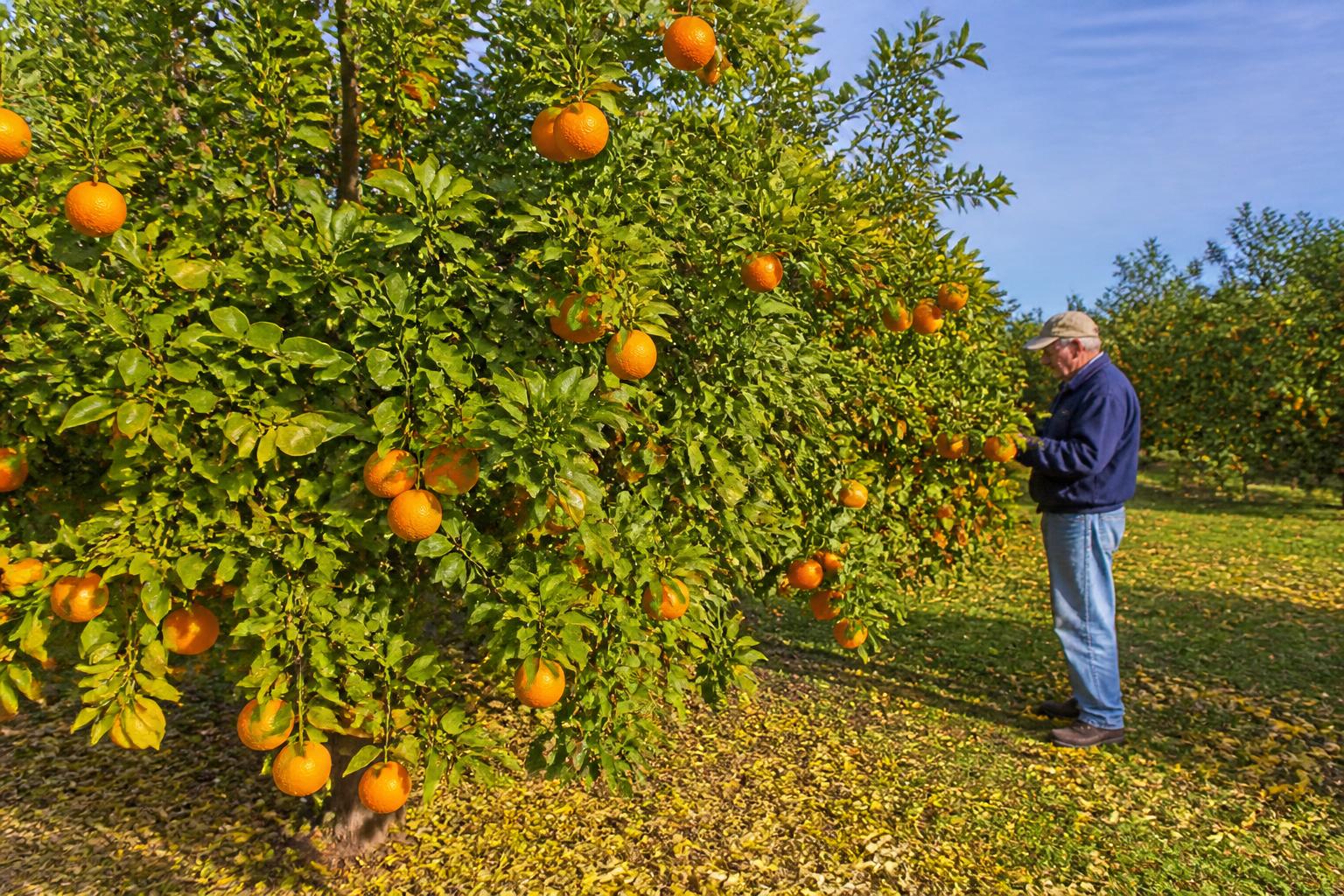
Florida citrus growers are navigating an evolving landscape this fall, balancing the urgent need for long-term disease management with renewed efforts to safeguard the state's agricultural land. As the industry looks toward innovative solutions, recent developments in both biotech research and state-sponsored conservation programs are offering new avenues for resilience in traditional citrus-growing regions.
For producers managing operations through the harvest season, the focus remains on mitigating the impacts of long-standing challenges like citrus greening. New trial initiatives are currently exploring advanced treatments, highlighting a shift toward high-tech interventions to protect groves and maintain yields. These efforts are part of a broader trend of Florida crop protection strategies, which emphasize operational adaptability in the face of persistent environmental and biological pressures.
Land Preservation and Agricultural Stability
Beyond crop health, the physical footprint of Florida agriculture is seeing significant reinforcement. State programs have increasingly prioritized the permanent protection of rural and family farms, ensuring that these high-value lands remain in production rather than transitioning to development. This structural support is essential for maintaining the regional density of agribusinesses, input suppliers, and packing facilities that rely on a stable, local supply chain.
For growers and agribusinesses, these land-use protections provide a level of security that supports long-term investment in grove infrastructure and input technology. By limiting encroachment, producers can better manage irrigation, pest control, and soil health without the complications associated with surrounding urban or commercial expansion.
Innovation in Input Management
Precision agriculture continues to be a cornerstone of survival for many Florida operations. As researchers test new biotech applications in the field, growers are also increasingly evaluating the efficacy of advanced nutrient delivery systems, such as controlled-release fertilizers. Selecting the right formulations can be a decisive factor in maximizing tree vitality during the critical late-season growth phases.
The integration of these specialized inputs, paired with ongoing developments in disease resistance, forms a multi-layered approach to protection. For the producer, the goal is to stabilize the bottom line by reducing tree loss and optimizing input costs through more targeted application techniques.
What it means for the market
For the Florida grower, the dual focus on biotech innovation and land security signals a shift toward a more sustainable, high-tech production model. While disease pressure remains a constant variable, the combination of permanent land protection and evolving treatment technologies suggests that the industry is successfully locking in the resources needed for future stability. Producers should monitor ongoing trial results closely, as the adoption of these new defensive tools may become a baseline requirement for competitive production in the coming seasons.
Comments
No comments yet - be the first to share your take.