
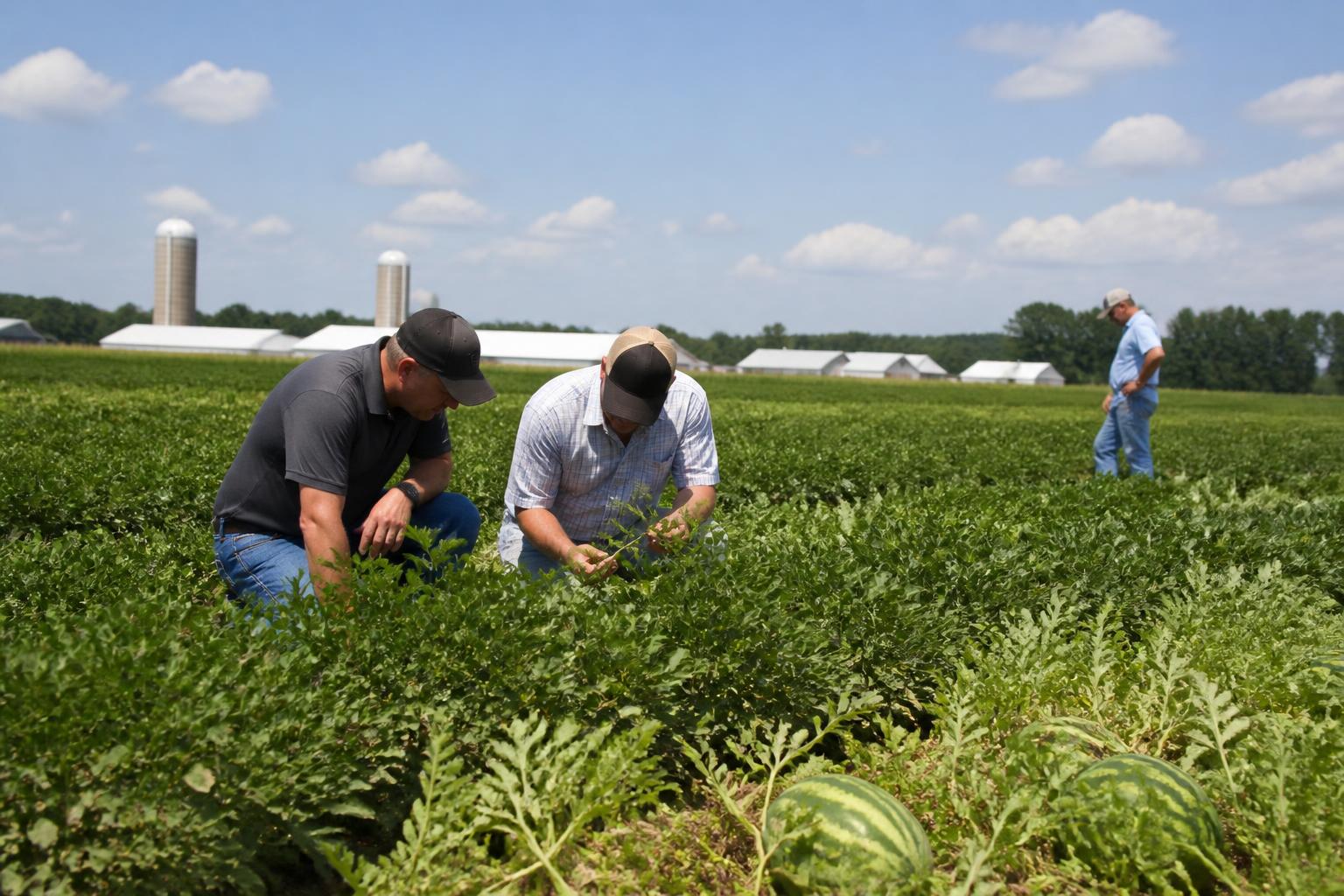
As summer temperatures peak across South Carolina, agricultural producers are facing complex crop protection dynamics. From the sandy soils of the coastal plain to the fields of the Midlands, growers are dealing with rapid pest development while trying to maintain crop quality and farm profitability. Scientists in the Southeast warn that invasive pests are outpacing current research, making proactive crop management more critical than ever during these warmer months.
The Race Against Invasive Pests in the Southeast
Recent findings from regional researchers, including those at Clemson University, highlight a growing challenge: invasive pests are spreading faster than scientists can complete comprehensive studies on them. This puts South Carolina farmers on the defensive. To protect valuable row crops, specialty crops, and emerging rotations, growers are increasingly forced to adapt their integrated pest management (IPM) strategies in real-time.
During the summer, high humidity and heat create ideal breeding grounds for pests. Farmers in counties like Hampton, Orangeburg, and Horry must carefully monitor fields to prevent significant yield losses. This pressure highlights the ongoing need for flexible crop protection solutions that can be quickly deployed when new threats emerge.
Growers looking to protect their margins while combating these threats are actively managing input costs and summer pest pressures through precise application timing.
Biologicals and Innovation Enter the Field
To counter resistant pests and comply with evolving environmental expectations, the agricultural input sector is shifting toward biological solutions. Major global players like Syngenta have expanded their portfolios in agricultural biologicals, acquiring assets to strengthen their market leadership in this space. These biological products offer alternative modes of action that can supplement traditional chemical applications, helping to manage resistance.
Additionally, the business landscape in South Carolina is expanding to support ag-related supply chains. A new manufacturing plant, the first of its kind in the U.S. for its operating company, has been established in Hampton County. This facility is projected to create 78 jobs, demonstrating a growing industrial interest in the state's agricultural corridor.
Local producers are also increasingly utilizing ag software to optimize application rates and select the most profitable mix of inputs, which is especially useful when navigating crop protection options in the heat.
Practical Tools for Summer Management
To stay ahead of both weeds and insects without overspending, South Carolina agribusinesses are focusing on several key practices:
- Targeted Scouting: Frequent field checks are essential, particularly in high-humidity zones where fungal diseases and fast-moving insect populations thrive.
- Integrated Software: Employing modern crop management software helps trace treatment efficacy, ensuring that every dollar spent on inputs contributes directly to yields.
- Diversified Chemistry: Alternating between traditional synthetic crop protection products and newly available biological tools to slow down pest resistance.
What it means for the market
For South Carolina agricultural markets, the summer crop protection window is a critical test of supply chain resilience and farm-level execution. As invasive species pressure intensifies and input costs remain a primary concern, the adoption of biological products and data-driven spraying strategies will likely accelerate. Farmers who successfully balance chemical, biological, and technological tools will be best positioned to protect their yields and secure profitable returns heading into the fall harvest.
Comments
No comments yet — be the first to share your take.