
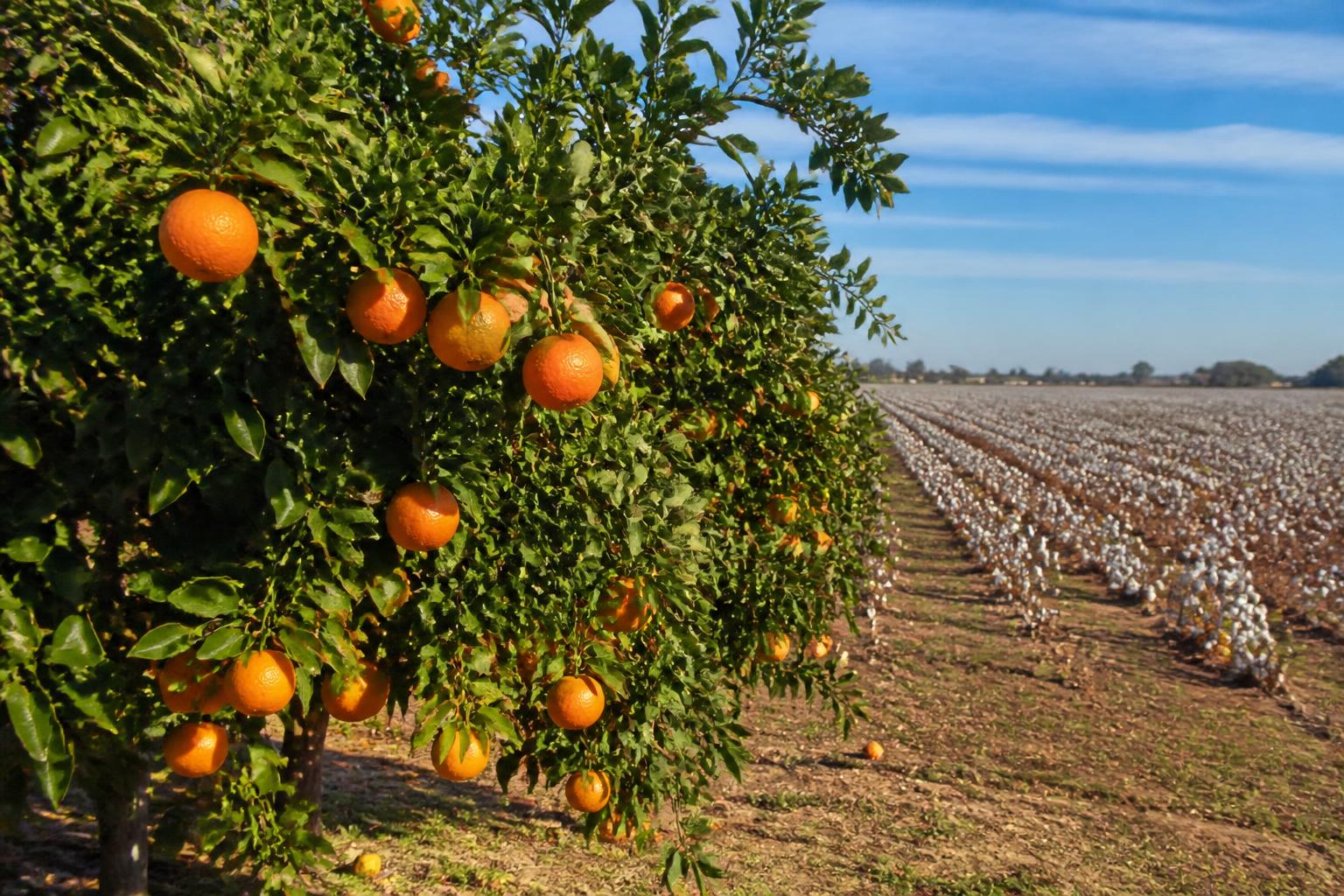
Texas farmers and agribusiness operators are entering the late fall season facing significant headwinds in logistics and supply chain management. As the harvest cycle progresses, regional transport infrastructure continues to feel the strain of high diesel prices, which are directly inflating the costs of both trucking and rail operations. These elevated expenditures are hitting producers particularly hard as they look to move commodities to storage or export facilities.
For those involved in the Texas grain markets, the current logistics landscape requires careful planning and optimized route management. The combination of sustained fuel expenses and fluctuating production data has created a cautious environment for grain handlers and carriers across the state, from the Panhandle down to the coastal shipping hubs.
Yield Forecasts Impacting Storage and Transport Demand
Recent seasonal outlooks have pointed toward downward adjustments in cotton yield expectations, a trend that typically shifts storage and transport utilization patterns as supply volumes contract. While citrus harvest operations remain a bright spot with strong activity, the broader agricultural sector remains hyper-focused on managing input-to-output ratios amid these persistent cost pressures.
Strategic Logistics in a High-Cost Environment
Beyond the direct impact of energy prices, regional infrastructure remains a primary concern for the agricultural supply chain. Maintaining consistent access to water and reliable transportation networks along major corridors is critical for maintaining market competitiveness. As producers manage the tail end of the fall harvest, the need for data-driven decisions in logistics planning has never been higher, particularly as state leadership transitions to address infrastructure priorities.
What it means for the market
Agribusinesses should anticipate continued margin pressure as long as diesel costs remain elevated. For carriers and elevators, the focus remains on maximizing efficiency in load consolidation and reducing dwell times at facilities. Producers who can leverage flexible storage options or coordinate early with logistics partners may find a buffer against the volatility currently rippling through the Texas transportation sector.
Comments
No comments yet - be the first to share your take.