
Focusing on Border Trade Stability
For many Arizona producers, especially those operating near the southern border, the current season brings renewed attention to the logistics of cross-border cattle trade. As the sector anticipates a resumption of livestock flows, ranchers remain vigilant regarding the persistent threat of the New World screwworm. Ensuring high biosecurity standards is essential for maintaining market access and preventing regional disruptions that can impact local transport corridors.
Adapting to Market Volatility
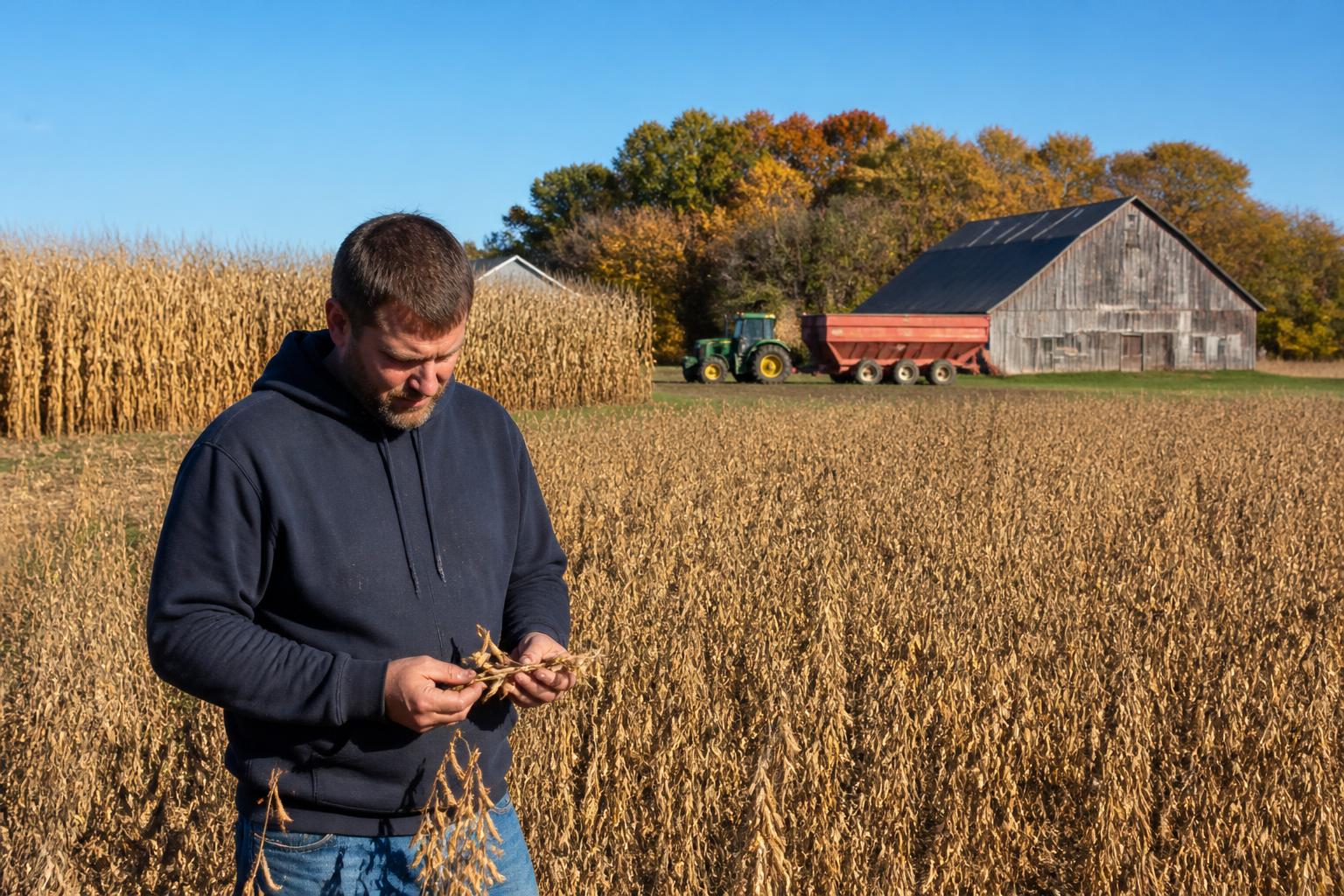
Regional agribusinesses are currently navigating a complex landscape defined by shifting grain pricing and broader financial pressures within the industry. As producers analyze their options, the focus often shifts toward precision management tools that maximize input efficiency. Whether managing soil health through advanced delivery systems or auditing logistics for late-season movement, the ability to pivot in response to economic signals is becoming a standard requirement for operations across the state.
Understanding these seasonal logistics trends is vital as we move through the final weeks of the year. Arizona operators typically find that keeping a lean, responsive supply chain helps buffer against the unpredictability of both international trade policies and domestic market fluctuations.
What it means for the market
For grain handlers, carriers, and livestock producers in Arizona, the coming months will likely emphasize the importance of proactive risk management. With volatility remaining a common theme across the wider U.S. agricultural sector, local agribusinesses that prioritize biosecurity, precision, and efficient route planning will be best positioned to mitigate potential losses as we transition out of the fall harvest season.
Comments
No comments yet - be the first to share your take.