
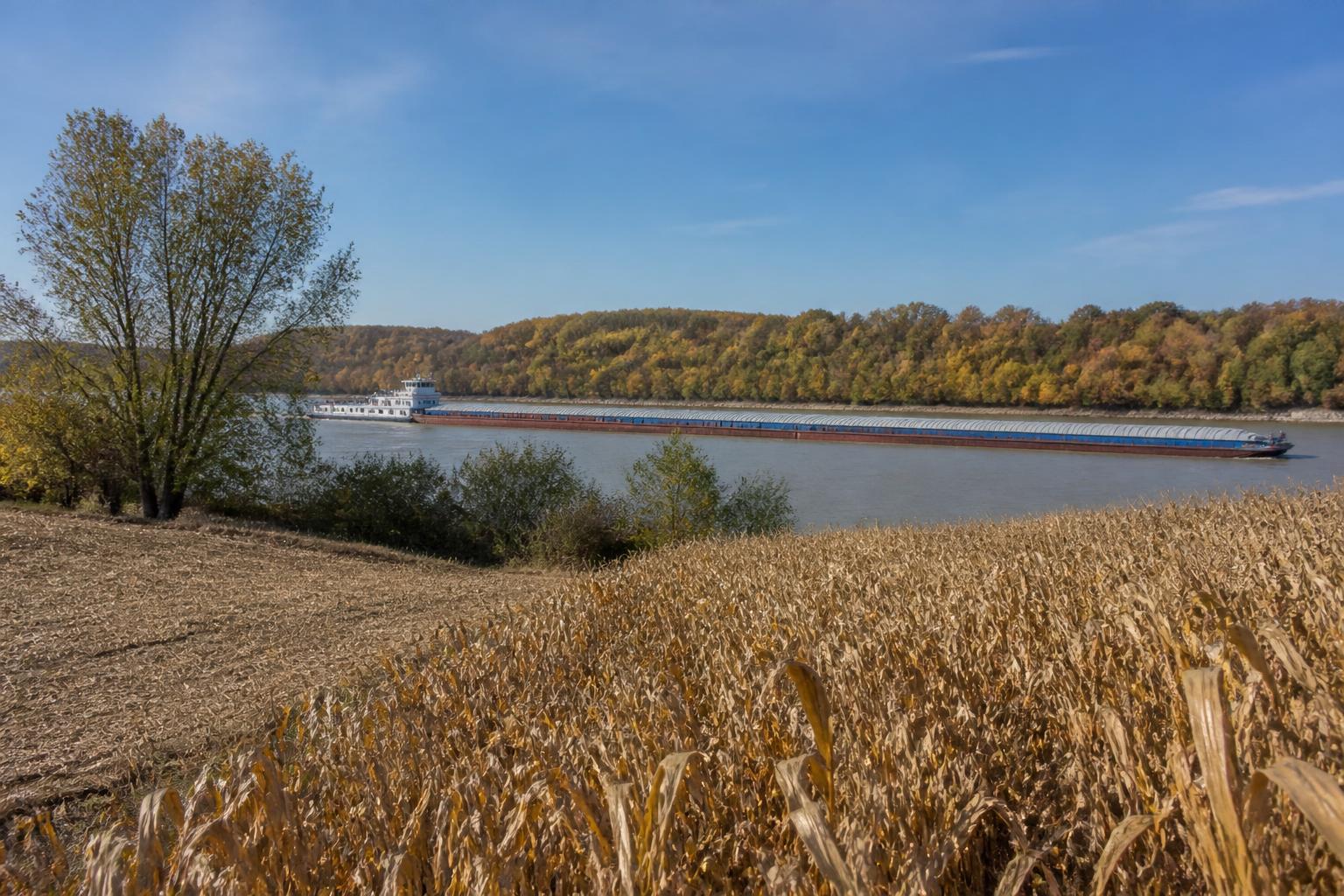
The U.S. inland waterway system is facing a significant logistical hurdle as the domestic barge fleet undergoes a period of contraction. Analysts suggest that the combination of an aging vessel population and the prohibitive costs associated with new construction is creating a potential bottleneck for agricultural exports. With new build costs reported to have doubled over the past decade, many operators are opting to retire older units rather than replace them, which may limit capacity during peak seasonal demand.
For grain handlers and producers relying on the Mississippi River corridor, these shifts could translate into upward pressure on transportation costs. When barge availability tightens, shippers often find themselves facing increased freight rates, particularly during critical export windows. Navigating these constraints requires a careful look at how aging barge fleets and rail divergence signal cost pressures across the supply chain, as market volatility remains a persistent concern for those moving bulk commodities.
Rail Performance and Intermodal Shifts
While barge capacity faces long-term structural questions, rail movement continues to provide an alternative route for U.S. grain. Recent data on rail origin dwell times shows varying efficiency levels among major carriers. As shippers evaluate their options, understanding the current reliability of rail networks is vital. In some instances, intermodal transport has demonstrated faster weekly speeds compared to traditional bulk rail, offering a potential offset for those facing delays in waterborne logistics.
Strategic Planning for Producers
The convergence of infrastructure constraints serves as a reminder for agribusinesses to diversify their shipping strategies. As the industry faces optimizing Alabama grain movement and supply chain resilience this fall, producers and cooperatives are encouraged to monitor freight indicators closely. Building flexibility into procurement and storage plans may help mitigate the impact of localized logistics disruptions.
Key Takeaways
- Barge retirement rates are outpacing new construction due to rising capital costs.
- Rail dwell times remain a key performance metric for grain originations, with varying service levels across major carriers.
- Logistics costs remain sensitive to fleet availability, necessitating early coordination with rail and barge providers.
What it means for the market: The tightening of the domestic barge fleet suggests that grain exporters may encounter higher transportation premiums in coming seasons. For producers, this underscores the importance of monitoring regional shipping alternatives and maintaining localized storage capacity to better manage the timing of commodity movement.
Comments
No comments yet - be the first to share your take.