
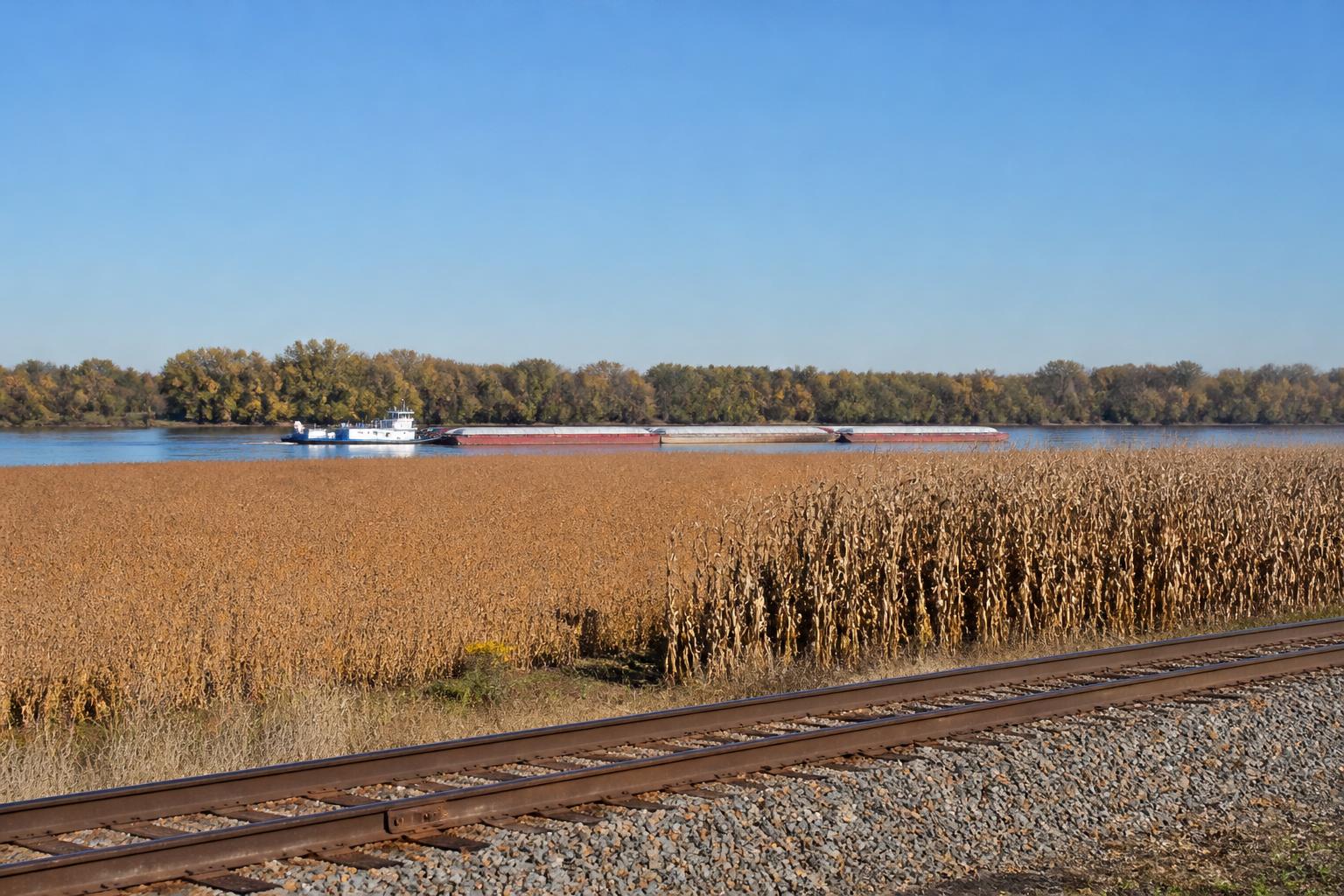
As the fall harvest season progresses, agricultural logistics remain under the microscope. Stakeholders across the supply chain are navigating a tightening landscape characterized by both mechanical and systemic bottlenecks that threaten to increase shipping costs for U.S. producers and exporters alike.
Recent data underscores the fragility of domestic infrastructure, particularly regarding the inland waterway system. Analysts have pointed toward the aging U.S. barge fleet as a primary concern; as these vessels reach the end of their service life, the associated costs of replacement are creating upward pressure on freight rates. These systemic issues are exacerbated by the broader necessity of maintaining reliable aging infrastructure and shifting fuel strategies to keep grain moving efficiently from the interior to export hubs.
Rail Performance and Cross-Border Shifts
In the rail sector, service metrics are showing signs of divergence. While some operators continue to optimize their networks, others are managing inconsistent performance, as noted in recent STB weekly service data. These fluctuations in rail reliability often force grain elevators and cooperatives to re-evaluate their reliance on single-modal transportation strategies.
Simultaneously, international trade routes are adjusting to shifting market demands. Recent Q3 data indicated a slight uptick in rail rates for corn shipments heading across the Mexican border, while soybean rates saw a modest decline. This volatility highlights how regional trade dynamics continue to influence domestic logistics, much like the trends observed when Texas ag logistics face pressure from rising transport costs and seasonal capacity constraints.
Long-Term Infrastructure Implications
The convergence of a shrinking barge supply and fluctuating rail reliability suggests that logistics costs may remain elevated for the foreseeable future. For farmers and agribusinesses, the reality is that capital investment in aging equipment—whether on the water or the tracks—is becoming a central variable in net margin calculations. As industries push for better operational efficiency during the harvest, the ability to pivot between transport modes will be a critical competitive advantage.
What it means for the market
Producers should prepare for continued volatility in freight basis levels. As barge replacement costs rise and rail metrics remain inconsistent, basis levels at local elevators may reflect these logistical premiums. It is prudent for operators to secure transport contracts early and stay informed on regional rail service updates, as logistics flexibility will be the primary hedge against unforeseen shipping disruptions during the remainder of the fall marketing window.
Comments
No comments yet - be the first to share your take.