
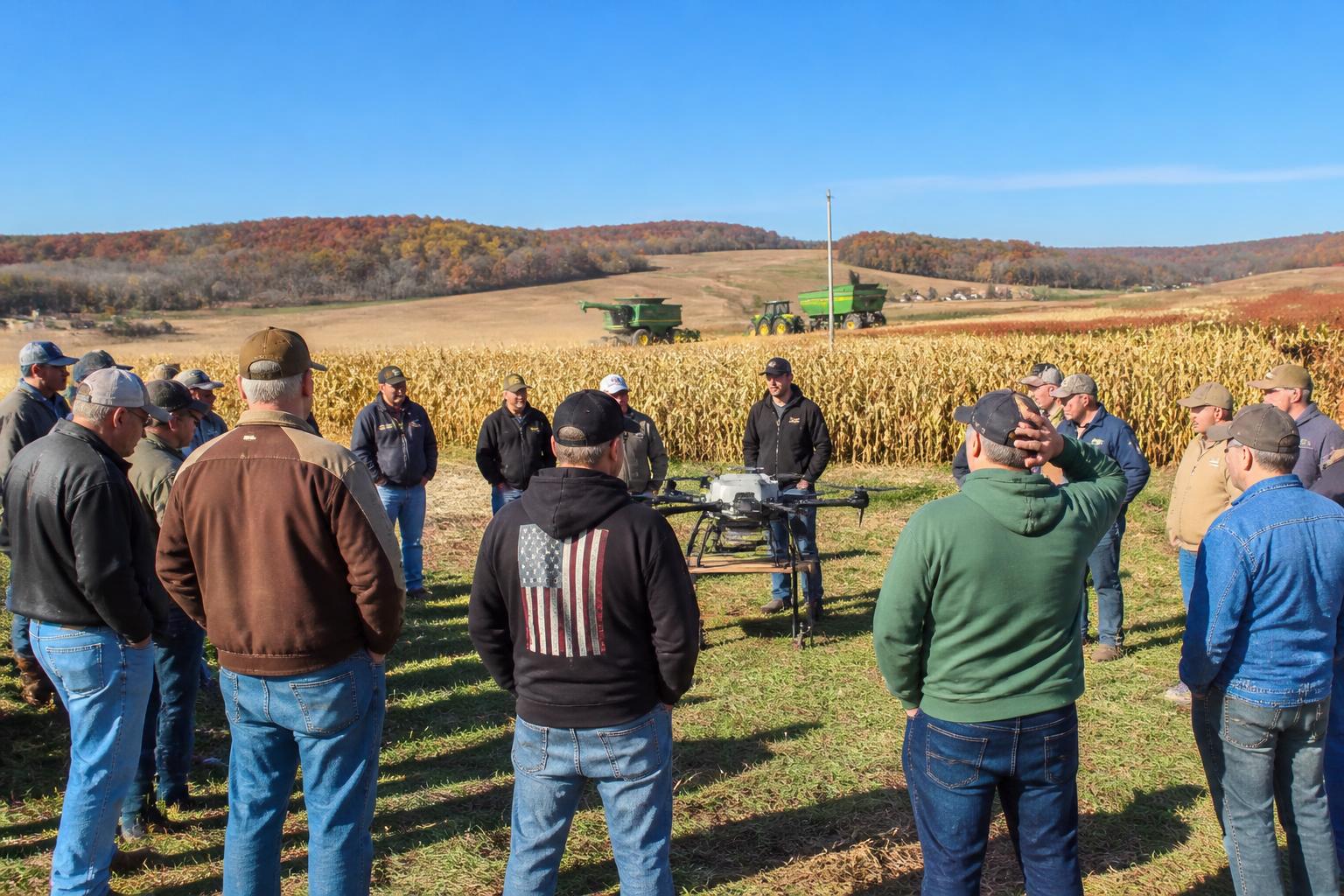
As the fall season progresses, producers across Arizona are seeing the benefits of a more temperate summer, particularly in cotton-growing regions. Favorable weather patterns have not only supported crop health but have also led to a reduction in the need for intensive insecticide applications. For farmers and logistics managers, this stabilization often provides a clearer window for planning the final stages of the harvest season and coordinating the movement of commodities through state infrastructure.
Efficient transit remains a cornerstone of the regional economy, and operators are increasingly looking at how optimizing grain movement as fall harvest advances can mitigate typical seasonal bottlenecks. As harvest volume fluctuations impact road traffic and storage availability, local agribusinesses are focusing on maintaining steady throughput to ensure high-quality yields reach their destinations without unnecessary delays.
Technology Integration in Arizona Agriculture
Beyond the immediate logistics of moving goods, the state continues to solidify its role as a hub for agricultural innovation. Yuma is currently preparing to host global summits that highlight the next generation of ag-tech, signaling a shift toward more automated and data-driven farming practices. This influx of technology is expected to play a critical role in the future of the state's food system, including how navigating input costs and infrastructure investment will evolve to meet modern production demands.
Producers are encouraged to keep a close eye on regional freight availability as the season enters its latter half. Maintaining open communication with local carriers and ensuring that storage facilities are prepared for final intake can help buffer against any localized supply chain surprises.
What it means for the market
For those involved in Arizona's agricultural supply chain, the current climate suggests a focus on operational readiness. While milder weather has provided a boost to crop development, the priority remains on robust logistics management. By focusing on infrastructure efficiency and staying informed on upcoming agricultural technology shifts, stakeholders can better position themselves to handle the remaining seasonal output and prepare for the upcoming planning cycle.
Comments
No comments yet - be the first to share your take.