
Adapting to Evolving Agricultural Landscapes
As the fall season reaches its midpoint in Tennessee, producers are evaluating their long-term strategies, balancing traditional field management with emerging opportunities. Across the state, from the rolling hills of Middle Tennessee to the river bottoms of West Tennessee, growers are currently adjusting to shifting market conditions and resource availability. Developing insights into Tennessee farm economics remains a priority for those looking to maintain profitability during the quiet months leading into the new year.
The Intersection of Energy and Livestock
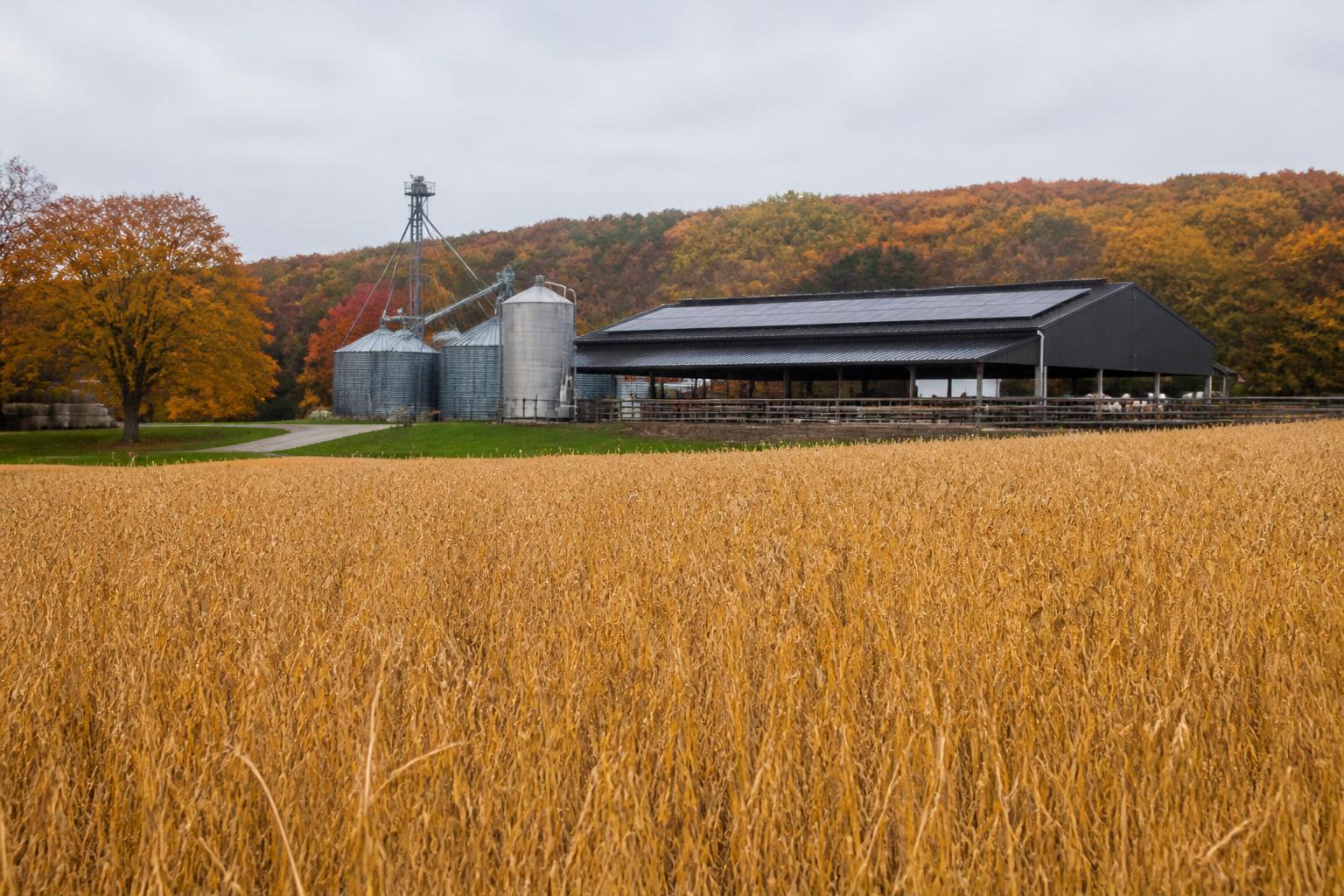
A growing trend among forward-thinking agricultural operations involves the integration of energy production with traditional livestock farming. By dual-purposing land, some producers are finding ways to stabilize income streams against the volatility of conventional commodity markets. This approach reflects a broader interest in diversifying operational assets, ensuring that farms remain resilient regardless of fluctuations in livestock pricing or energy demand.
Tracking Wheat and Regional Grain Movements
While the focus in Tennessee often centers on corn and soybean yields, the health of the national winter wheat crop serves as an important indicator for grain handlers and transport providers. While current data points to a mixed but generally encouraging start for hard red winter wheat in the Plains, Tennessee growers continue to monitor regional input costs and logistics. Maintaining efficient transport networks is essential for moving remaining grain stocks to regional elevators and processors before the winter weather settles in fully.
What it means for the market
Producers should remain focused on optimizing current harvest-period logistics while evaluating long-term diversification strategies. Balancing the costs of seasonal inputs against potential energy-integrated income models can provide a hedge against market uncertainty. As the season progresses, keeping a close watch on regional grain storage capacity will be critical for maintaining favorable market positioning.
Comments
No comments yet - be the first to share your take.