
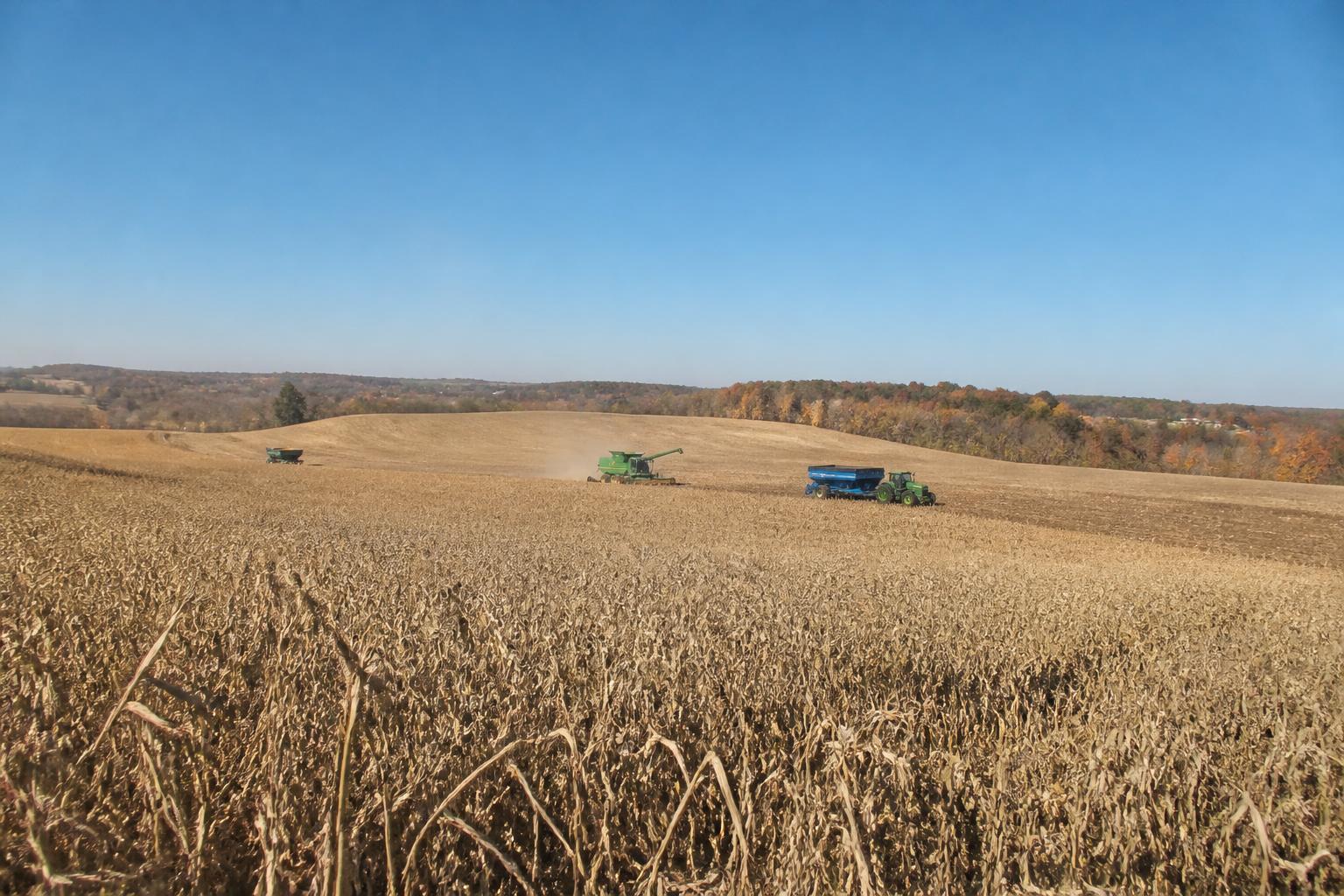
As the fall season progresses, Tennessee producers are navigating a complex economic environment. Reports from rural areas suggest that ongoing financial pressures continue to influence decision-making across the farm sector. For many local operations, balancing immediate input costs with long-term capital preservation has become a standard approach to managing the volatility seen in broader market indicators.
Amidst these economic headwinds, many producers are turning toward sustainable land management as a way to bolster resilience. Integrating conservation practices is increasingly viewed as common ground for Tennessee farmers, helping to mitigate soil erosion and improve water quality in key agricultural watersheds. Engaging in these initiatives can sometimes offer benefits, though adoption typically depends on aligning practices with individual farm needs and potential regional incentives.
Managing Resources Through Seasonal Transitions
With the harvest season largely behind us, the current focus for many Tennessee agribusinesses is shifting toward preparation for the next cycle. This period often serves as a critical time to review field protection strategies and ensure that investments made during the growing season are preserved. Effective asset management and careful planning regarding crop inputs continue to be primary drivers for stability as we move toward winter.
For those managing grain storage or looking at logistics, monitoring local transport bottlenecks remains essential, especially when dealing with seasonal haulage demands. Maintaining clear communication with local elevators and transport providers can help prevent unwanted delays and keep operations running smoothly as the market settles into its winter posture.
Strategic Planning for the Future
Financial health remains a priority, and farmers are encouraged to keep a close watch on shifting credit availability and potential support programs. Staying informed about cost-share opportunities can be particularly helpful for those planning long-term investments in soil health and infrastructure. While the broader economic signals might indicate continued caution, local producers often find that strategic partnerships and proactive planning provide the best pathway for navigating these uncertain times.
What it means for the market
Producers should expect continued focus on efficiency and fiscal conservatism. In the coming months, the ability to leverage conservation programs and optimize input use will likely differentiate operations that thrive from those that merely survive. Prioritizing liquidity and maintaining relationships with local input suppliers will be key as the industry prepares for the upcoming 2027 season.
Comments
No comments yet - be the first to share your take.