
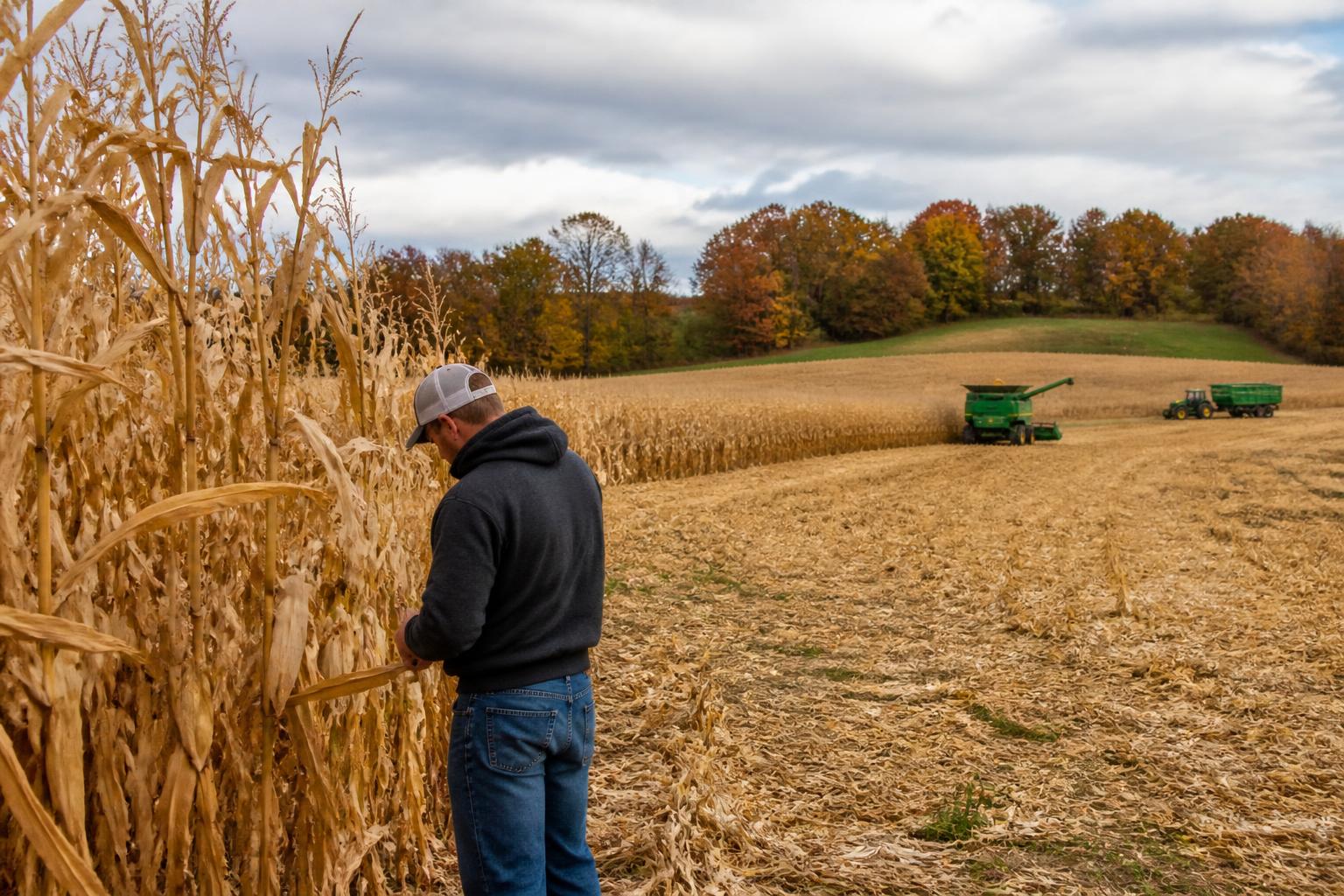
As Indiana producers wrap up the final stages of the fall harvest, the agricultural landscape remains defined by a mix of cautious optimism and strategic adjustment. While local operations focus on seasonal field work, broader economic forces—including significant fluctuations in major input suppliers—are prompting growers to re-evaluate their long-term cost structures and risk management strategies.
The current market environment requires a vigilant approach to operational sustainability. Navigating these complexities often demands a close look at how margin pressures and logistics hurdles in Indiana are evolving. Producers are encouraged to assess their financial positions carefully as they prepare for the upcoming planning cycle, particularly given the volatility seen in international agricultural stocks and its potential to ripple into domestic supply chains.
Legislative Transitions and Production Realities
At the state level, the Indiana Senate Agriculture Committee is entering a period of new oversight. With the appointment of a new committee chair, stakeholders are looking toward the upcoming legislative session to see how policy priorities might shift regarding agricultural support and land use. Engaging with these developments is essential for farmers looking to stay ahead of regulatory changes that could impact their bottom line.
Meanwhile, niche sectors like poultry continue to show resilience. While turkey prices have recently rebounded, providing some much-needed relief to producers, the industry remains guarded. Feed costs and the ever-present threat of biosecurity risks serve as reminders that stability in one area does not negate the need for vigilance across the board. The local Indiana ag sector continues to prioritize safety and leadership as the industry navigates these layered challenges.
What it means for the market
For the Indiana agricultural community, the takeaway is clear: diversification and proactive financial planning are more important than ever. Whether you are adjusting for fluctuating feed prices or monitoring the impact of international farm crises on input costs, staying informed on both policy shifts and regional market data will be critical to protecting your margins through the end of the year.
Comments
No comments yet - be the first to share your take.