
Adapting to Winter Nutrient Management Rules
As we move through the fall season and approach colder temperatures, Pennsylvania producers need to remain cognizant of state-level restrictions on nutrient applications. Regulatory standards now mandate a limit of one-half pound of nitrogen per 1,000 square feet between December 15 and March 1. Perhaps most importantly, all fertilizer applications must cease once the ground is frozen or snow-covered. These measures are designed to curb runoff and protect water quality, and compliance is essential for both regulatory standing and environmental stewardship.
The Role of Integrated Livestock Systems
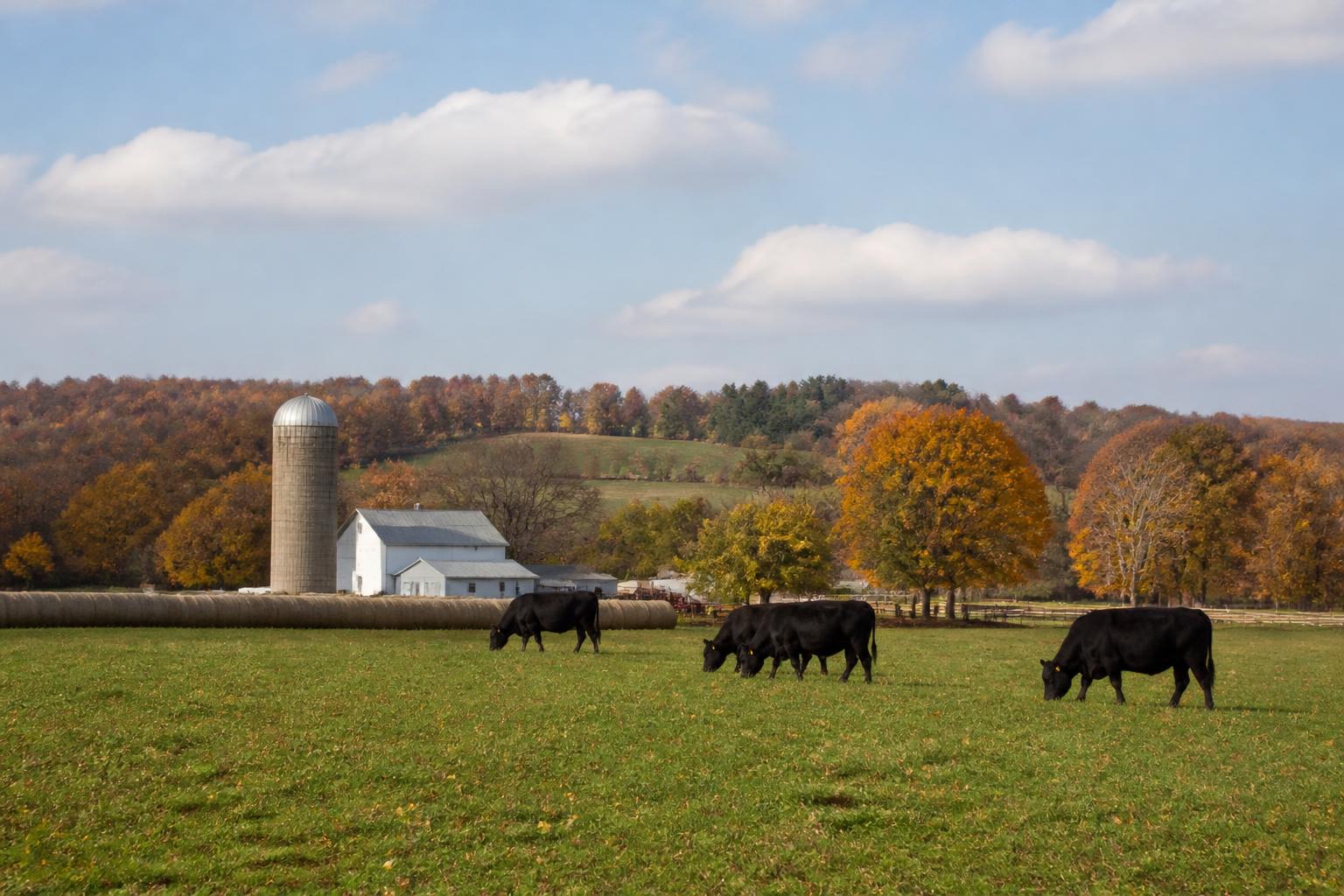
Beyond nutrient management, there is evolving interest in diversified farming models across the state. In areas like Lancaster County, we are seeing creative approaches to land use, such as integrating cattle into established agricultural operations. This move toward livestock integration is not merely a diversification strategy; it is a way to create a more resilient farm ecosystem that can balance crop production with animal husbandry. By incorporating cattle, producers may find new ways to manage on-farm resources and potentially stabilize income streams, as explored in recent updates on navigating seasonal market volatility.
Strategizing for the Off-Season
With the winter window approaching, now is the time to review your nutrient plans and infrastructure needs. Proper record-keeping and soil testing before the freeze can help ensure you remain compliant with state regulations. As you transition into the winter months, focusing on sustainable practices—similar to the principles of scaling sustainable fertilizer application—will remain a priority for regional agribusinesses. For those managing soil health, ensure that all late-season inputs are applied well ahead of the mid-December threshold to maximize uptake and minimize environmental loss, keeping in mind broader strategies for long-term farm resilience.
What it means for the market
Producers should anticipate tighter windows for fall application and plan their input purchasing accordingly. As livestock integration gains visibility in counties like Lancaster, operators may see shifted demand for local feedstuffs and increased interest in grazing-management equipment. Prioritizing compliance with winter nutrient rules will protect your operation from potential penalties while ensuring the long-term productivity of Pennsylvania soils.
Comments
No comments yet - be the first to share your take.