
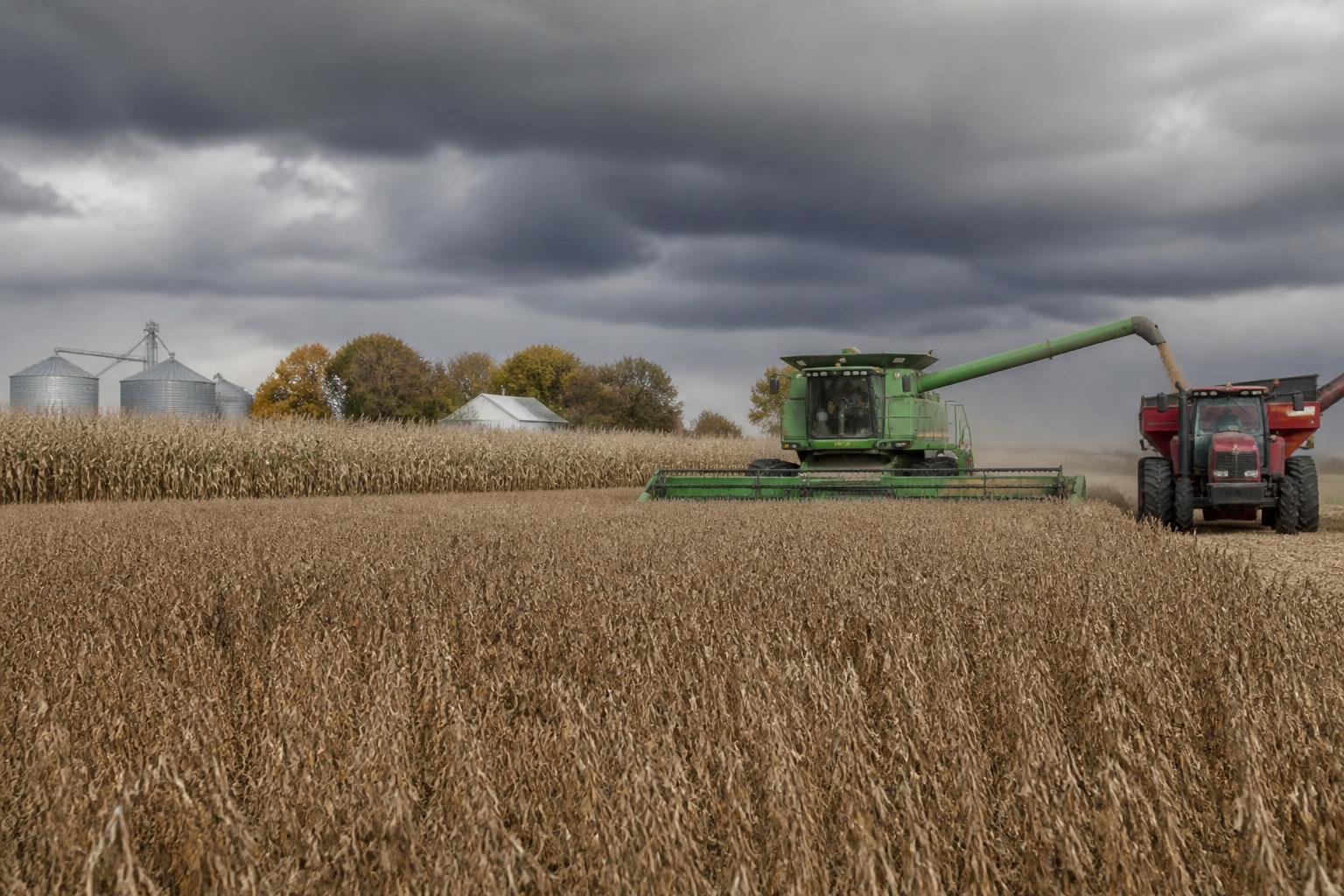
As the fall harvest progresses across Washington, growers and shippers are increasingly managing significant logistical challenges. Recent reports indicate that the availability of refrigerated trucks remains tight in the region, a common pressure point as high-volume commodities move through state supply chains during the autumn months.
These transportation hurdles can be particularly impactful for sectors requiring cold chain reliability. Maintaining efficient transit from regional growing areas to processing facilities or distribution hubs often hinges on carrier availability, which frequently fluctuates during peak harvest windows.
Navigating Tightened Logistics
The current supply chain environment requires careful coordination for those moving perishables. Farmers and agribusinesses are encouraged to monitor carrier availability closely, as regional constraints in Washington can ripple across local routes. These logistical hurdles are a critical component of managing overhead during the harvest window, where every day counts toward maintaining quality and market access.
In some parts of the state, these challenges are compounded by broader infrastructure needs. When transportation capacity is limited, producers often look toward alternative scheduling or local partnerships to mitigate the risk of shipment delays. Staying informed on these supply chain pressures helps stakeholders better prepare for potential bottlenecks before they impact the bottom line.
Market Outlook and Resilience
Beyond immediate transport issues, Washington growers are navigating a complex economic landscape. From evaluating the impacts of rising input costs to adjusting to shifting regulatory environments, the current season demands proactive management. While logistics remains a primary concern in the short term, broader agricultural stability continues to be a central focus for the region's agribusinesses as they look ahead to the winter planning cycle.
What it means for the market: Producers and logistics managers should prioritize securing transportation agreements early in the shipping cycle. Given the current density of demand for refrigerated assets, maintaining flexible load schedules and fostering strong relationships with local carriers can provide a necessary buffer against market volatility during the remainder of the fall season.
Comments
No comments yet - be the first to share your take.