
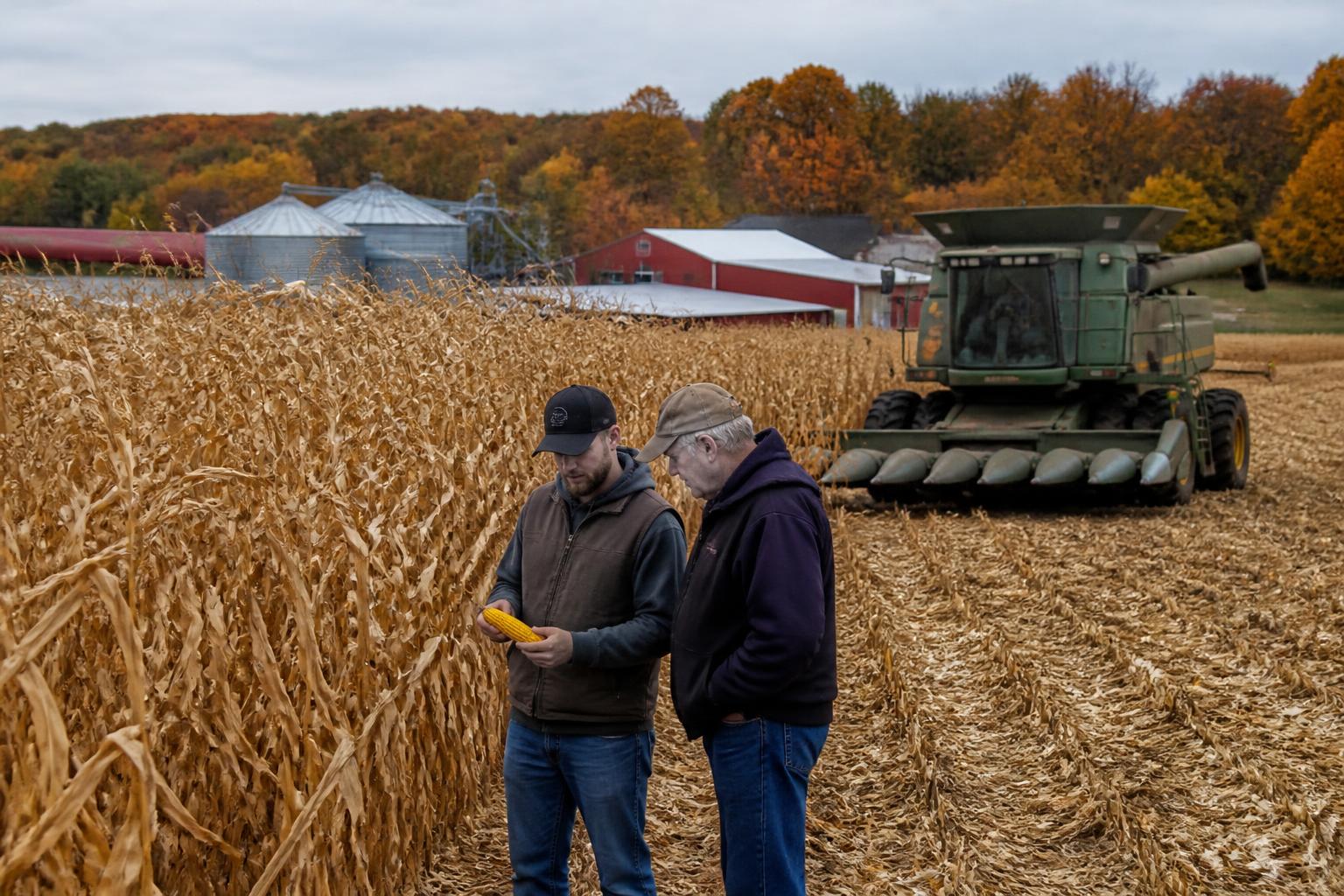
As the fall harvest season concludes across Washington state, the focus for many growers and agribusinesses is shifting from field operations to managing the fiscal and logistical realities of the coming year. While the physical tasks of bringing in crops wind down, the industry faces persistent pressure to secure critical inputs despite lingering supply chain volatility. For producers in regions like the Palouse or the Columbia Basin, ensuring access to necessary fertilizers and crop protection materials has become a central piece of long-term planning.
Agricultural operators continue to adapt their procurement strategies to mitigate potential shocks. Many are evaluating how global trade fluctuations and domestic policy developments might influence their bottom lines as they head into the winter planning cycle. With national discussions regarding the future of the farm bill heating up, local producers are watching for clarity on potential supports, including updates to ARC and PLC programs, which may prove vital as market conditions evolve. Strategic adjustments to input acquisition remain essential for maintaining productivity in a climate defined by external uncertainty.
Evaluating Supply Chain and Logistics Constraints
Beyond the farm gate, logistics remain a high-priority issue. Efficient transport of grain remains dependent on the resilience of regional infrastructure, which has been under scrutiny throughout the peak movement months. For those operating near major transit corridors or port facilities, monitoring capacity levels and potential delays is part of daily risk management. Navigating these regulatory and supply chain pressures requires close coordination with carriers to ensure that harvests reach their intended destinations despite regional bottlenecks. The ability to pivot when logistics are constrained can often define the success of the post-harvest period.
Global Market Dynamics and Policy Watch
International factors continue to play a large role in how Washington growers perceive the coming year. Shifts in global crop protection markets and trade agreements are being monitored closely, as these developments frequently ripple through to domestic pricing and availability. As the legislative landscape shifts in Washington D.C., many in the industry are hopeful that upcoming sessions will provide a firmer path forward for agricultural policy. Understanding the current state of logistics and infrastructure will be just as important as monitoring crop yields for those looking to maintain competitive operations.
What it means for the market
For Washington farmers and handlers, the current environment demands a proactive approach to risk. By prioritizing secure supply lines for inputs and maintaining flexibility in logistics planning, agribusinesses can better shield themselves from sudden shifts in the broader market. Keeping a close watch on both policy changes and infrastructure developments will be essential for those looking to stabilize their operations heading into the next planting season.
Comments
No comments yet - be the first to share your take.