
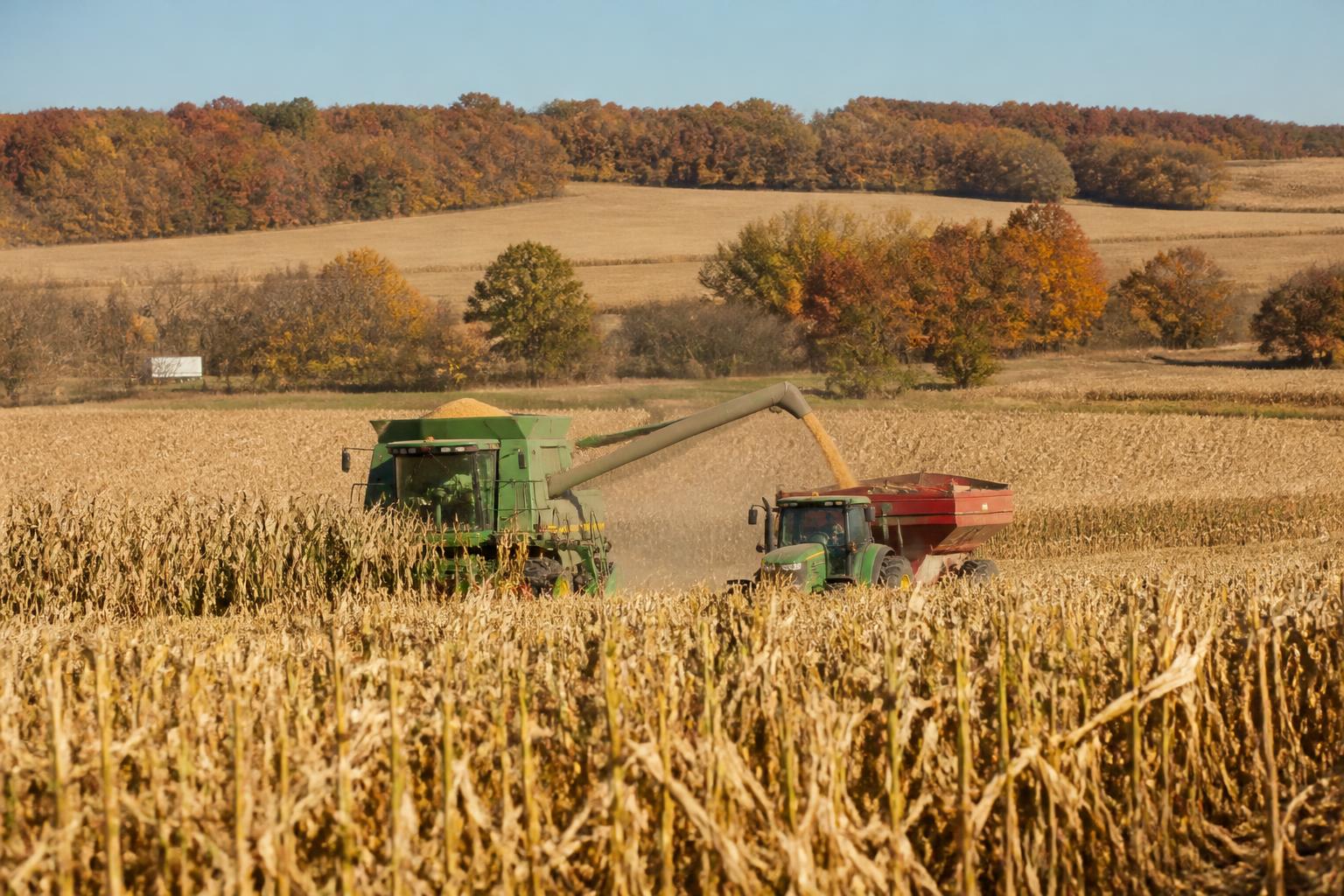
As the fall harvest season concludes across Washington, producers are turning their attention to the broader economic forces shaping their bottom line. Local growers are closely monitoring ongoing international trade discussions, particularly with China, which remains a focal point for regional soybean and grain demand. Uncertainty surrounding these key export markets often ripples through the state, impacting Washington agricultural supply chains that rely on efficient movement through Pacific Northwest ports.
Input Costs and Energy Market Pressures
The recent surge in fuel costs has introduced additional pressure on farm inputs, creating a challenging environment for logistics and field operations. With energy prices influencing everything from transport to fertilizer manufacturing, farmers across the state are evaluating their input strategies for the coming cycles. The conversation around domestic production remains active, as stakeholders explore legislative efforts aimed at bolstering local fertilizer availability to mitigate dependence on volatile global supply chains.
Labor and Market Consolidation Concerns
Beyond logistics, the regional agricultural sector continues to grapple with long-term labor sustainability. Maintaining a reliable workforce is frequently cited as a critical factor for the future of Washington agriculture, influencing operational capacity as farms transition into winter maintenance and planning. Simultaneously, broader trends in industry consolidation are prompting producers to reassess their market access, particularly as changes in plant operations nationally highlight the sensitivity of livestock and processing sectors to structural shifts.
What it means for the market
For Washington agribusinesses, the current environment demands a defensive strategy regarding input purchasing and a flexible approach to grain storage. As trade negotiations remain fluid and operational costs remain elevated, keeping a close eye on regional logistics and port throughput will be essential to navigating the rest of the year. Producers should continue to monitor export updates to better anticipate potential changes in commodity movement.
Comments
No comments yet - be the first to share your take.