
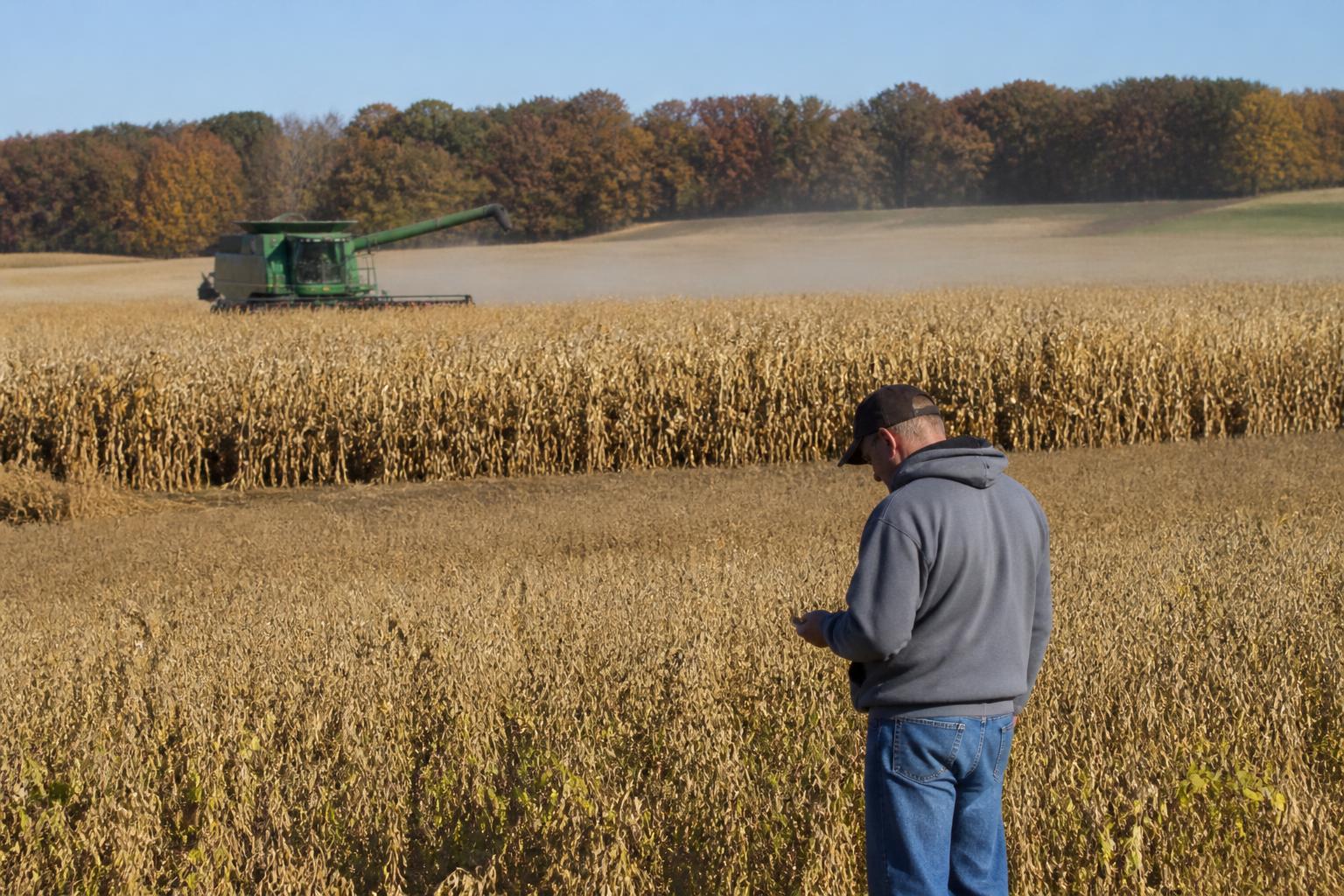
With the 2026 harvest largely in the rearview mirror, Indiana producers are pivoting their focus toward the 2027 growing season. Despite navigating a year characterized by shifting yield outlooks and complex logistics in Indiana grain markets, the industry now faces the reality of tightening profit margins. Market analysts suggest that export demand remains a linchpin for price stability, forcing farmers to take a more disciplined approach to their grain marketing strategies as they evaluate their position for the coming year.
Input Costs and Corporate Headwinds
The economic landscape for Indiana agribusiness is currently under pressure. Rising input costs have begun to impact larger industry players, reflecting a broader trend of cost-sensitive operations that trickles down to the farm gate. As producers look to next year, the combination of input price volatility and global market competition is pushing many to utilize data and advanced planning tools to protect their bottom lines.
Logistical Risks on the Horizon
Beyond field-level decisions, infrastructure remains a primary concern for Indiana grain handlers and farmers alike. The aging status of the Mississippi River barge fleet poses a significant threat to transport efficiency, potentially driving up costs for those relying on river-based freight to move grain toward export hubs. Reliable transportation is essential to maintaining competitive delivery timelines, and logistics managers are keeping a close watch on these developments as they plan for the 2027 cycle.
What it means for the market
For the Indiana agricultural sector, the path forward requires a balance of caution and preparation. Farmers should prioritize liquidity and evaluate hedging opportunities, particularly when confronted with market-moving data. While the recent harvest provided a solid baseline, long-term success in 2027 will likely hinge on the ability to mitigate logistical costs and manage input expenses against uncertain global price trajectories.
Comments
No comments yet - be the first to share your take.