
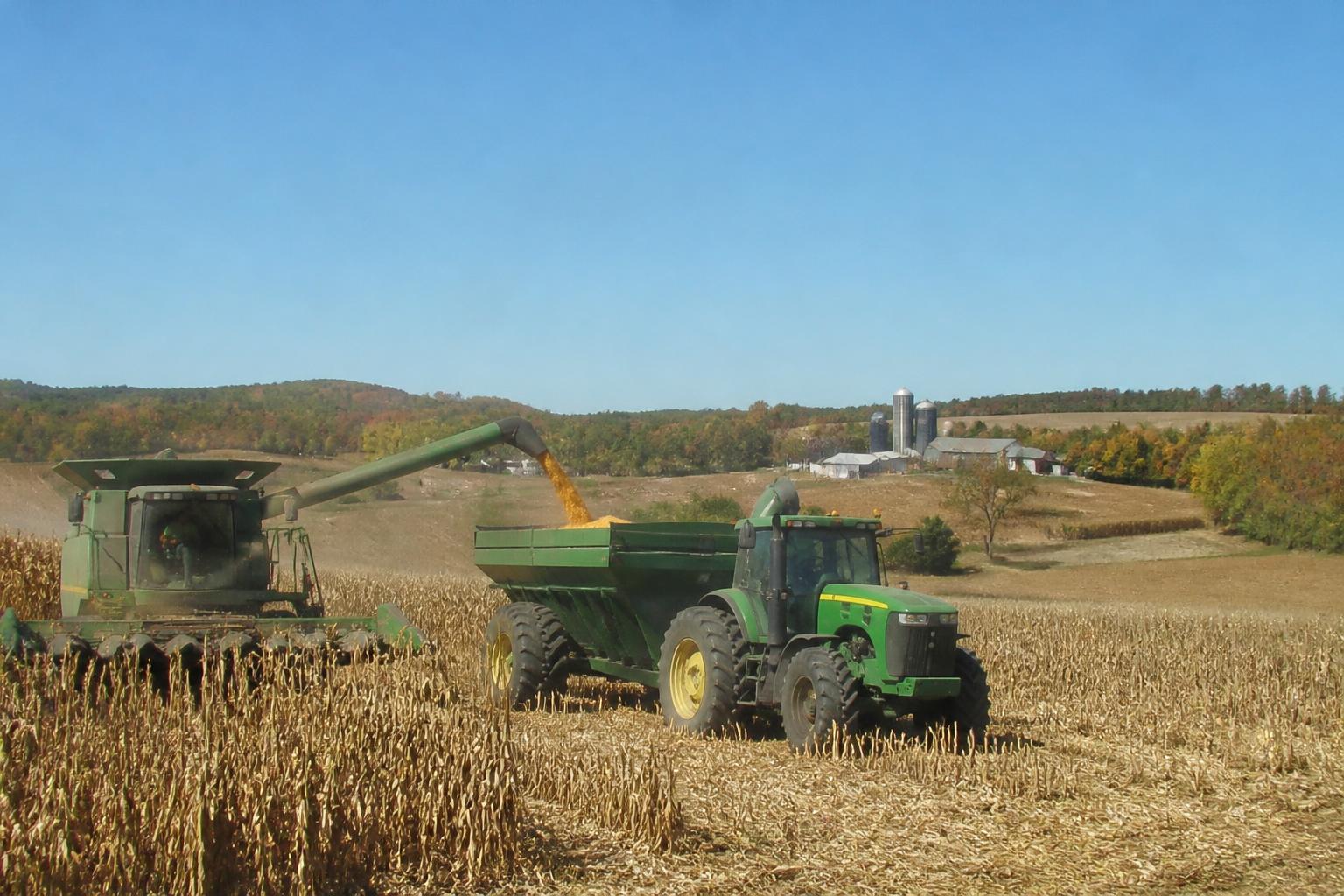
Recent market activity has shifted toward a more bullish sentiment as U.S. export sales figures reach seasonal highs. Strong demand, particularly from Mexico, has provided a significant lift to corn futures. Traders are closely monitoring these market volatility trends as export numbers suggest that global buyers are securing supply earlier in the marketing year than previously anticipated.
Export Demand Fuels Market Rally
Soybean markets have also seen notable support, with futures jumping recently amid strength in global vegetable oil prices. Market analysts note that these gains are being watched carefully to see if the current momentum can persist. While the domestic harvest nears completion in many areas, the focus among agribusinesses is shifting from field logistics to long-term storage and export positioning. As farmers evaluate their remaining inventory, understanding how river and rail logistics impact the bottom line remains a priority for those looking to capture value from current price fluctuations.
Global Context and Crop Outlooks
Internationally, the landscape for the 2026-2027 season remains a critical variable for U.S. producers. Reports from South America indicate a positive initial outlook for the Brazilian soybean crop, though weather patterns continue to be a source of caution for analysts monitoring the global supply chain. Meanwhile, domestic winter wheat progress in the Plains shows a generally encouraging start, despite some pockets of delayed planting. These regional variations underscore the need for flexible marketing strategies as the industry navigates a complex global supply environment.
Key Takeaways
- Corn export sales have hit marketing year highs, supported by strong international demand.
- Soybean futures remain volatile, influenced heavily by shifting global vegetable oil market conditions.
- Logistics and regional planting delays remain focus areas for grain handlers and producers as winter approaches.
What it means for the market: The current rally reflects a convergence of high export volume and sensitivity to global supply developments. For grain handlers and producers, this period highlights the importance of keeping a close eye on export sales reporting and regional basis levels, which may shift rapidly as seasonal storage decisions are finalized and global trade discussions progress.
Comments
No comments yet - be the first to share your take.