
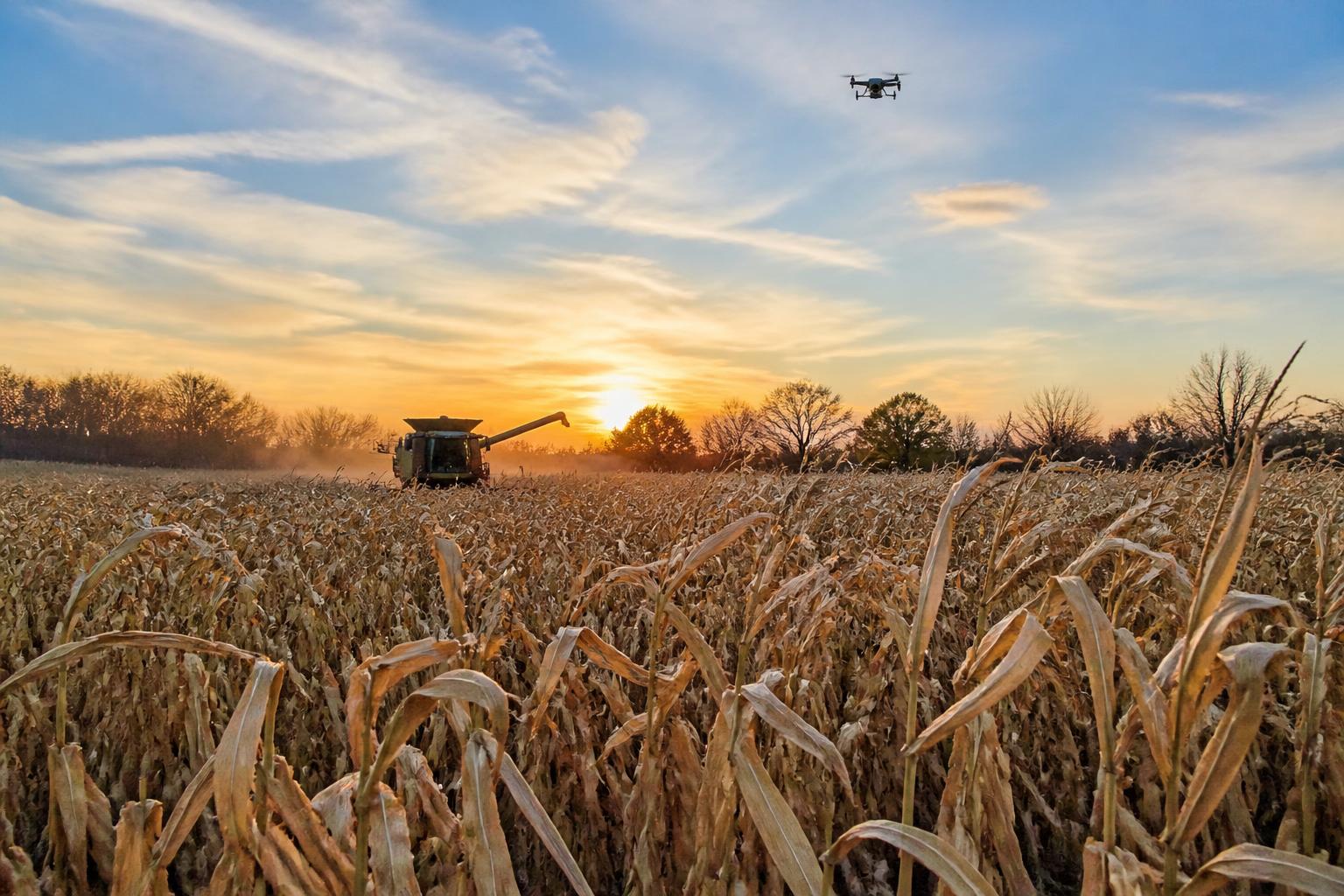
As the fall harvest season winds down across Nevada, agricultural producers are increasingly focused on shoring up their supply chains. With winter approaching, the movement of inputs and the reliability of fuel sources have become critical discussion points for operations in northern regions. Ensuring that fuel reserves are adequate and that transport corridors remain clear is a priority as seasonal demand shifts.
Maintaining resilient logistics strategies is essential, especially when regional fuel availability may be sensitive to wider infrastructure pressures. For agribusinesses operating near northern transit corridors or military installations, the current climate necessitates careful planning to avoid disruptions in equipment readiness and daily transport tasks.
Evaluating Input and Resource Security
The broader agricultural landscape remains sensitive to global shifts, which can often ripple down to local markets. While international port restrictions and global fertilizer dynamics command headlines, the practical, immediate concern for Nevada farmers is local availability. Maintaining a consistent supply of inputs is crucial as operators plan for the next planting window. Producers are encouraged to monitor their inventory closely and coordinate with regional suppliers to mitigate the risks associated with potential transport bottlenecks.
Maintaining Operational Continuity
Logistics in the high desert can be unforgiving. As colder temperatures settle in, the stability of supply lines for essential farming materials remains a cornerstone of successful year-end operations. Whether managing large-scale equipment fleets or handling smaller input deliveries, clear communication with logistics partners helps in navigating the unique geographic challenges of Nevada. Staying informed about regional road conditions and fuel access ensures that farm-level operations continue uninterrupted despite broader market uncertainties.
What it means for the market
For Nevada producers, the current focus is on defensive planning. By securing fuel and essential inputs before peak winter demand, farms can hedge against potential volatility in the supply chain. Prioritizing reliable logistics channels today will provide the operational cushion needed to enter the next season with confidence.
Comments
No comments yet - be the first to share your take.