
Managing Fertilizer Costs in a Tight Market
As Vermont farmers conclude the 2026 growing season, the conversation has shifted toward the bottom line. Recent reports indicate that the agricultural sector across the country, including in Vermont, is experiencing a noticeable squeeze on farm finances. Rising input prices, particularly for fertilizer and diesel fuel, are placing downward pressure on profitability for many producers as they prepare for the upcoming off-season.
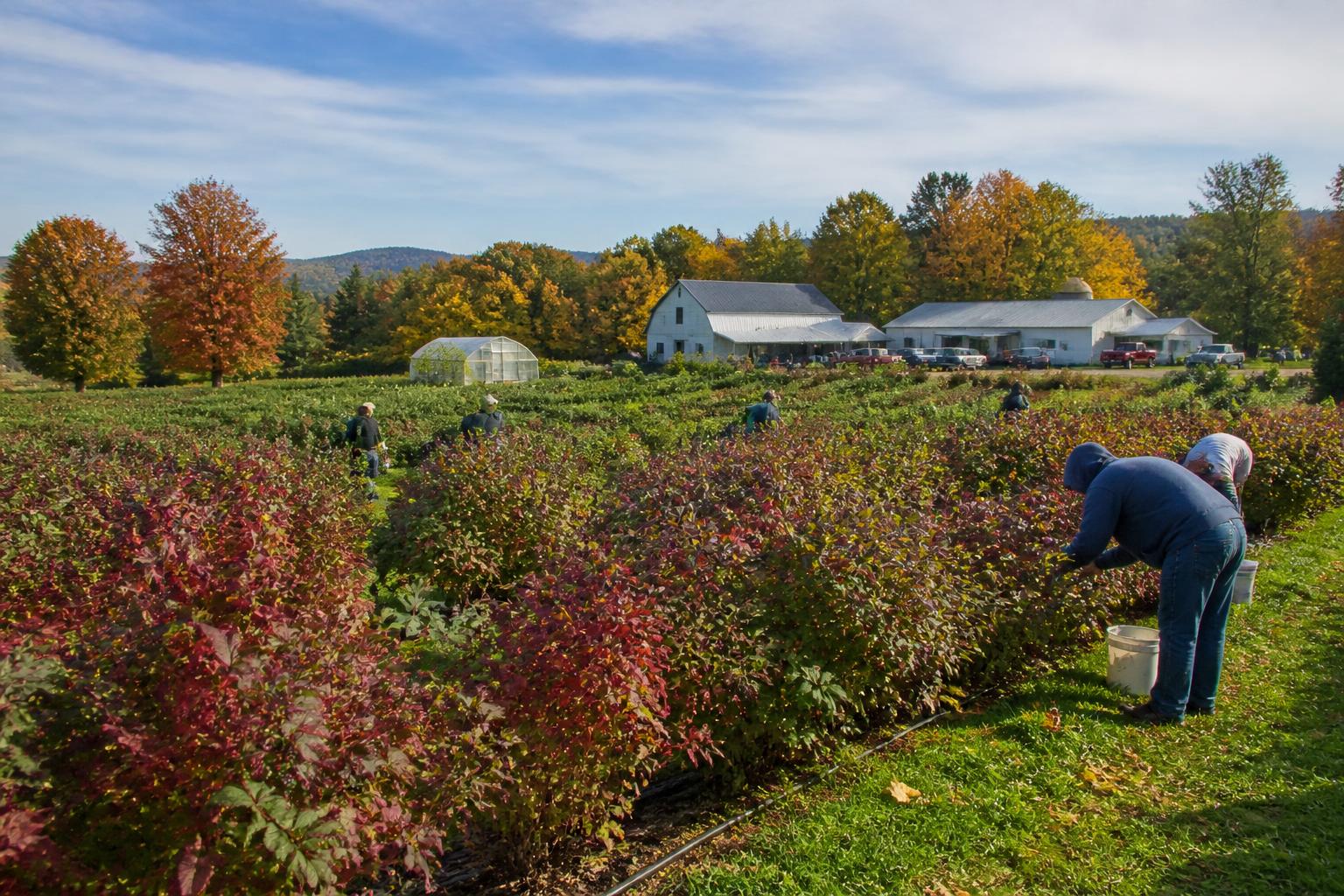
For operations ranging from diversified small-scale growers, such as those seen in our vibrant local berry markets, to larger grain and forage producers, balancing soil fertility needs with current cash flow constraints is critical. Understanding the broader context of Vermont ag sector structural shifts can help farm managers better predict where to tighten expenditures. Growers are encouraged to review their nutrient management plans to ensure efficiency, as high-cost inputs demand maximum return on every pound applied.
Logistics and Operational Security
Beyond the cost of raw inputs, operational expenses are being scrutinized. As we move into the colder months, protecting infrastructure has become a priority. While energy costs remain a factor, business owners are reminded that digital and physical infrastructure security is also a moving target. Taking steps to secure facilities, including automated systems, helps avoid unexpected losses that could compound the strain of high input costs.
Producers should consider how evolving climate realities impact their long-term soil health strategies and input budgeting. Investing in soil testing and precision application can be a powerful tool for those looking to maintain yields without over-investing in expensive fertilizers.
Planning for the Season Ahead
The current financial environment underscores the importance of resilience. Whether you are managing seasonal cash flow or preparing for winter equipment maintenance, proactive planning is essential. By keeping a pulse on infrastructure challenges and market trends, Vermont farmers can better position themselves to withstand the volatility that often characterizes the agricultural sector during periods of rising supply costs.
What it means for the market
The persistence of high fertilizer and energy prices through the end of 2026 suggests that farmers should focus on input efficiency and financial liquidity throughout the winter. Expect continued emphasis on optimizing fertilization rates and scrutinizing operational overhead until global cost indicators provide more relief for the domestic market.
Comments
No comments yet - be the first to share your take.