
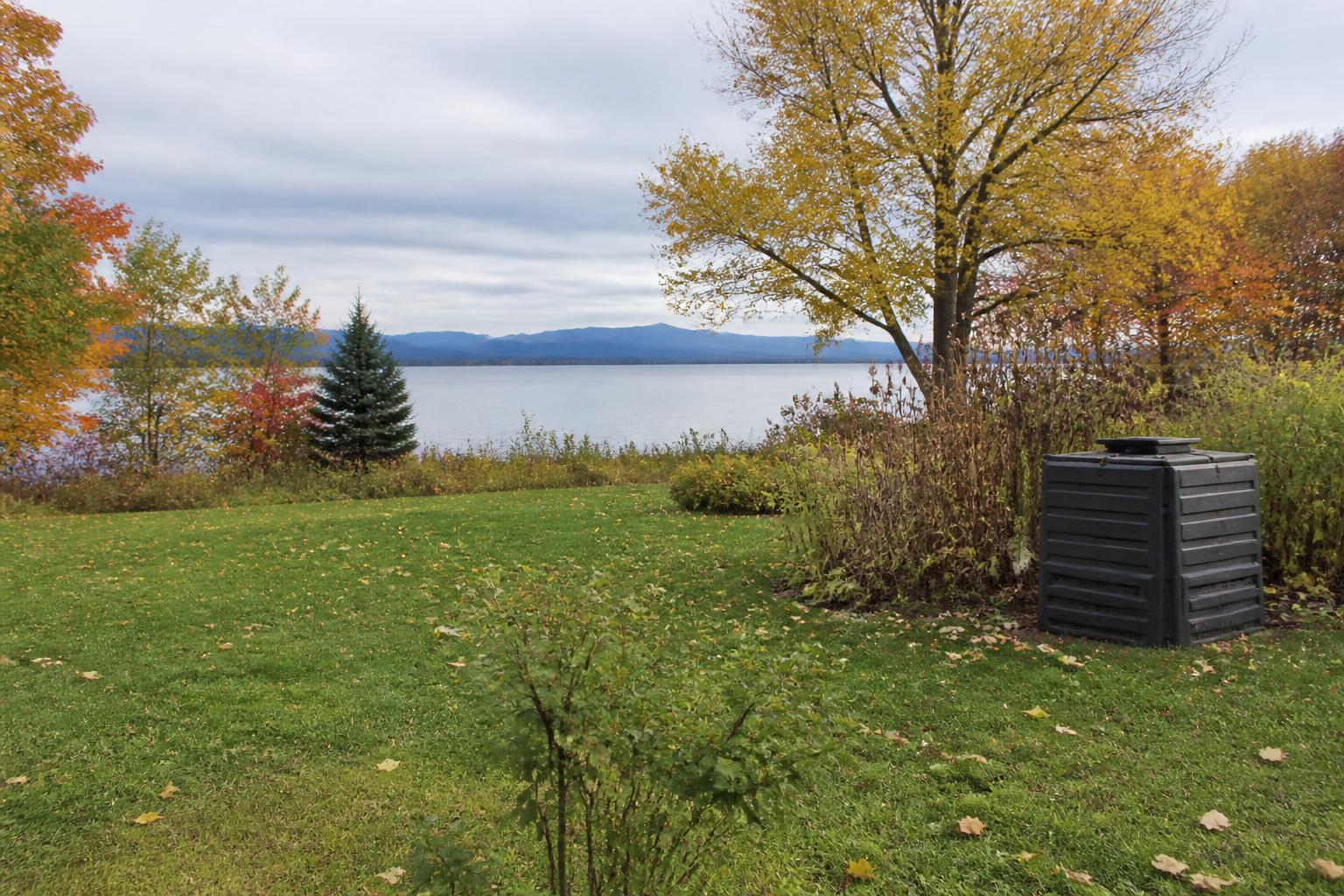
As Vermont enters the late-fall season, agricultural producers and landowners should be aware that the state's restricted application period for fertilizers is now underway. To prioritize environmental stewardship and long-term soil health, regulations prohibit the application of fertilizer until April 1. This measure is a critical component of broader state efforts to manage nutrient runoff, particularly in sensitive watersheds where water quality remains a significant concern.
For those managing farm inputs, navigating these seasonal shifts is essential for maintaining compliance. As discussed in our Vermont fertilizer outlook, understanding regulatory constraints is just as vital as managing cost pressures. Violating these state rules can lead to fines of up to $500 per incident, making it imperative for agribusinesses and individual operators to plan their nutrient management schedules well in advance of the spring window.
Water Quality and Stewardship
The restriction serves as a necessary buffer to prevent excess nitrogen and phosphorus from leaching into groundwater or washing into surface waters during the winter melt. Given the ongoing public interest in the health of Lake Champlain and other regional water bodies, regulators often maintain strict oversight of agricultural runoff. Aligning farm operations with these evolving environmental standards ensures that Vermont operations remain sustainable amidst shifting climatic and regulatory pressures.
Planning for the Spring Surge
While field applications are off the table for the coming months, this downtime provides an excellent opportunity for producers to audit their soil health reports and prepare for the upcoming planting cycle. Consistent with strategies for late-season resilience, farmers should focus on reviewing their nutrient management plans now. Early procurement of inputs for the April window can help avoid potential supply chain bottlenecks once the ground thaws and field activities resume.
Key Takeaways
- Fertilizer application is prohibited state-wide until April 1, 2027.
- Penalties for knowing violations can reach $500 per occurrence.
- Use the winter months to finalize nutrient management plans and soil testing.
What it means for the market: For the Vermont agricultural sector, this regulatory quiet period shifts the focus from field activity to operational planning. Agribusinesses should anticipate a surge in demand for consultations and supplies as the April deadline approaches. Maintaining strict adherence to these dates is essential not only to avoid financial penalties but to support the state’s broader commitment to sustainable water management and agricultural longevity.
Comments
No comments yet - be the first to share your take.