
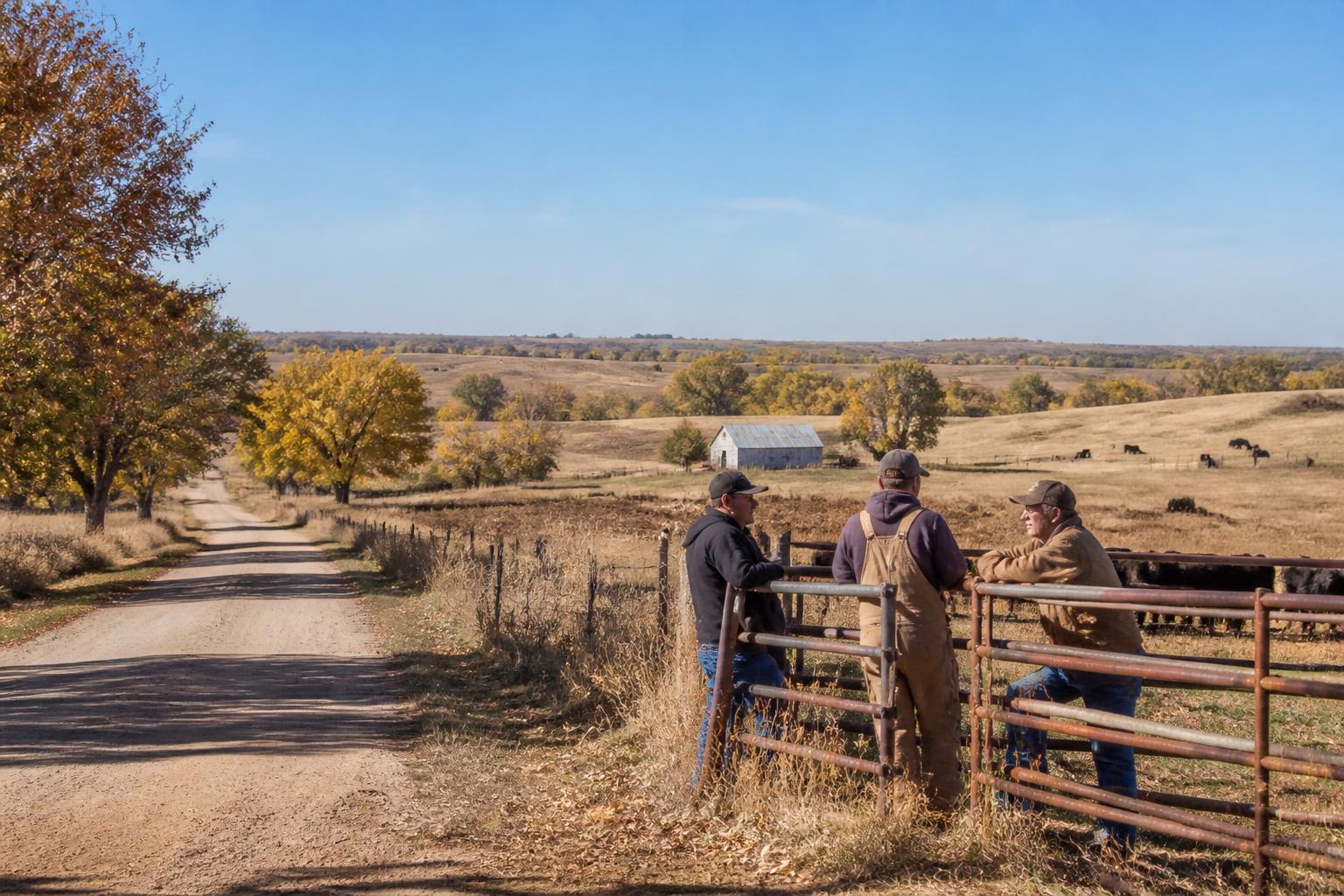
For Oklahoma agriculture, the current fall landscape remains a balance of seasonal field activity and forward-looking strategic planning. While commodity price volatility continues to test profit margins, regional experts are increasingly focusing on the fundamental pillars of farm sustainability, particularly the complexities of land transition and asset protection.
Understanding the long-term economic pressures facing Oklahoma operations is no longer just about input costs or yield targets. Discussions held at recent state economic conferences highlight that successful generational transfer often requires early intervention, sound legal structuring, and a clear understanding of the shifting legislative landscape that may impact farm estates in the coming years.
Navigating Market and Inheritance Challenges
The intersection of political shifts and agricultural policy creates a unique environment for producers across the plains. In many parts of Oklahoma, the focus is transitioning toward defensive risk management. This involves assessing how land ownership structures can better insulate family-owned operations from sudden economic shocks or potential tax adjustments. Producers are encouraged to evaluate their current estate plans, ensuring that succession strategies align with the physical realities of their land and the specific requirements of their livestock or row-crop enterprises.
Building Resilience in a Shifting Climate
Beyond policy and inheritance, market durability remains top of mind. For those managing grain or livestock operations, the ability to pivot amidst market uncertainty often hinges on data-driven decision-making. Regional analysts suggest that maintaining a buffer against market swings is essential, particularly as growers prepare for the upcoming winter season and plan their capital investments for the next crop year.
Key Takeaways for Producers
- Prioritize early estate and succession planning to mitigate future legislative impacts.
- Evaluate land tenure and ownership models to enhance asset protection for future generations.
- Monitor national policy trends that may influence regional input costs and operational margins.
- Consult with tax and legal professionals specializing in agricultural assets to ensure compliance and optimization.
What it means for the market
Producers who prioritize structural and financial planning during these quieter months often find themselves better positioned to weather cyclical market downturns. By focusing on generational stability, Oklahoma agribusinesses can maintain continuity even when broader national political or economic conditions remain unpredictable. Strengthening the foundation of the farm today ensures that the operation remains viable regardless of tomorrow's market fluctuations.
Comments
No comments yet - be the first to share your take.