
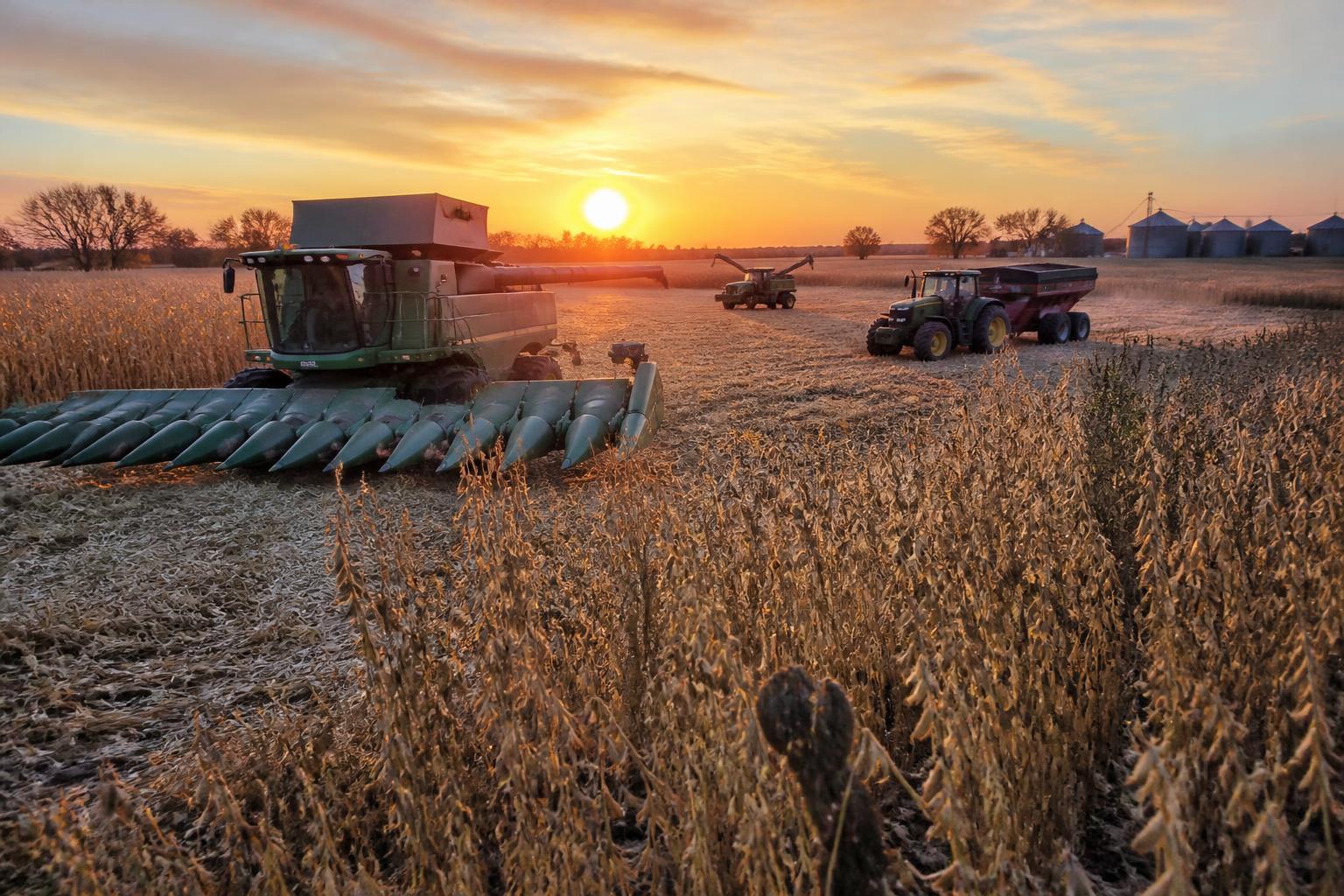
Harvest Progress and Market Watching
As the fall harvest season winds down across Oklahoma, producers are turning their attention to upcoming policy decisions and market outlooks. With corn and soybean field work nearing completion, local handlers and growers are closely tracking data from the latest USDA reports to gauge the potential for shifting market stocks. This seasonal transition period is a critical time for assessing farm-level revenue protection strategies, particularly as farmers review their revenue safety net adjustments for the 2025 crop year.
Economic Pressures and Financial Planning
Beyond the field, the broader economic environment remains a focal point for agribusinesses. Recent market analysis suggests that potential oil price shocks may heighten interest-rate risks, complicating cost management for essential inputs. These financial variables arrive as many farmers are weighing their options for federal programs, with regulatory uncertainty in the chemical market adding another layer of complexity to seasonal planning. For many producers, this creates a volatile environment where input procurement must be carefully timed.
Diversification and Policy Participation
Despite the challenges, there is renewed interest in alternative cropping strategies, with some growers investigating the potential for canola to stage a comeback in the region, bolstered by advancements in genetics and consistent demand from the biofuel sector. Concurrently, producers are preparing to finalize their ARC and PLC enrollment decisions. As the deadlines for these programs approach, staying informed on current market trends is essential for protecting against volatility. Those seeking to balance these risks may find it useful to review regional operational challenges and fertilizer supply shifts to better position their enterprises for the next season.
What it means for the market
The convergence of closing harvest operations, looming program deadlines, and unpredictable macroeconomic interest-rate risks requires Oklahoma producers to adopt a proactive stance on fiscal management. By prioritizing risk assessment and staying flexible with input procurement, agribusinesses can better withstand the current pressures affecting the broader agricultural sector.
Comments
No comments yet - be the first to share your take.