
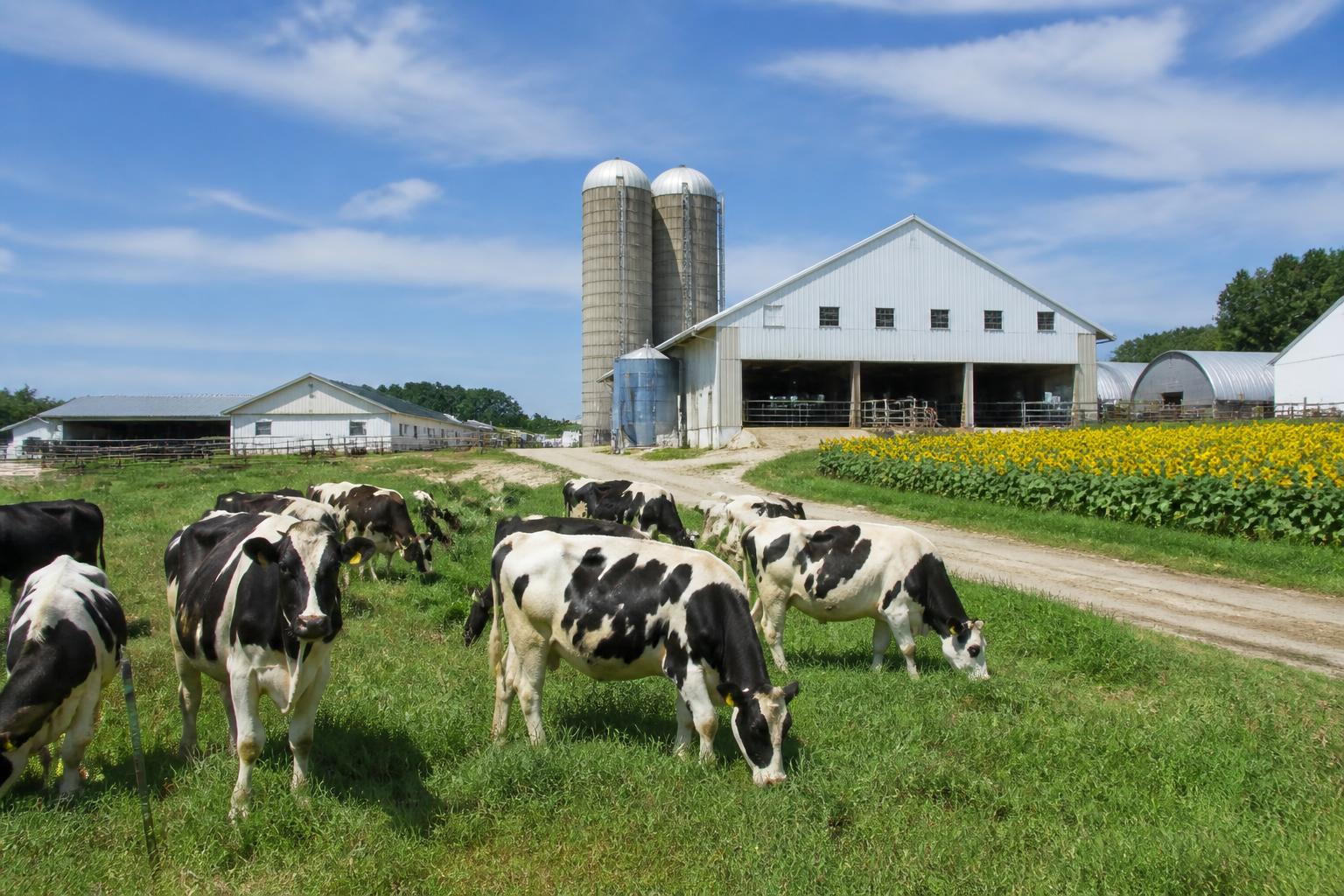
Summer in Missouri brings a diverse set of management priorities for the state's agricultural producers. From the fertile fields of the Bootheel to the expansive cattle pastures of the Ozarks, keeping operations both profitable and secure requires constant adaptation. As mid-summer heat sets in this June 2026, Missouri producers are dealing with everything from emerging livestock health threats to shifting energy and technology landscapes.
Addressing Tick-Borne Threats in Missouri Pastures
Missouri cattle producers are facing heightened biosecurity concerns due to the spread of the Asian longhorn tick. This invasive pest poses a direct threat to herds across the state by transmitting a deadly parasite. In many southern and central counties, where livestock grazing is a primary agricultural driver, ranchers are advised to monitor herds closely for signs of weakness, anemia, or sudden weight loss. Managing pasture margins and implementing strict vector-control protocols have become essential steps to protect livestock assets and maintain market viability this summer.
Additionally, keeping an eye on herd health coincides with managing feed and forage costs. Producers are increasingly seeking ways to optimize their grazing systems to mitigate the impact of external biological pressures on their bottom lines.
Dairy Modernization and Soil Health Innovation
Faced with persistent labor shortages, Missouri dairy farmers are actively modernizing their operations. By integrating automated milking systems, robotic feeders, and advanced herd monitoring technology, local dairies are streamlining daily tasks and stabilizing production levels. While these capital investments require careful planning, they provide a long-term solution to regional workforce constraints.
On the agronomic front, soil health remains a high priority for row-crop operations along the Missouri River corridor. Products like Holganix are gaining attention for their ability to improve soil biology, which can help farmers unlock natural nutrients and reduce their reliance on expensive synthetic inputs. Navigating these emerging biological tools can be paired with tactical grain marketing and input cost management to preserve margins.
Biofuels and Legal Landscapes
The relationship between Missouri grain production and the automotive sector has hit a point of friction. A Missouri farmer recently called out Ford Motor Company for removing flex-fuel ethanol capabilities from its new F-150 trucks. This decision has sparked debate among local corn growers who rely on strong domestic ethanol demand to support crop values. As producers work to balance their seasonal agronomic plans, maintaining a close watch on regional fuel demand and crop protection policy is vital.
In the legal arena, crop protection manufacturers have seen significant developments. The Supreme Court of the United States recently sided with Bayer, rejecting a Missouri man's cancer claim related to glyphosate. This ruling provides some regulatory clarity for farmers planning their crop protection strategies, though chemical safety and public scrutiny continue to influence overall management decisions. Keeping up with these shifting regulations is a critical component of navigating the broader economic challenges in 2026.
Key Takeaways for Missouri Producers
- Monitor Livestock: Implement strict biosecurity and tick-control measures to protect herds against the Asian longhorn tick and its associated parasites.
- Embrace Automation: Consider modernizing dairy and livestock facilities to counter ongoing regional labor shortages.
- Track Energy Markets: Stay informed on shifts in vehicle manufacturing and biofuel compatibility, which directly impact local corn demand.
- Optimize Soil Biology: Explore soil health biologicals to potentially reduce synthetic input costs and improve soil structure.
What it means for the market
For Missouri's agricultural sector, the summer of 2026 highlights the necessity of diversification and proactive management. Whether dealing with livestock health risks, evaluating dairy automation, or optimizing input expenses, success depends on flexibility. By integrating technological solutions and keeping a close eye on policy and market changes, Missouri agribusinesses can better insulate themselves from sudden economic shifts and protect their summer margins.
Comments
No comments yet - be the first to share your take.