
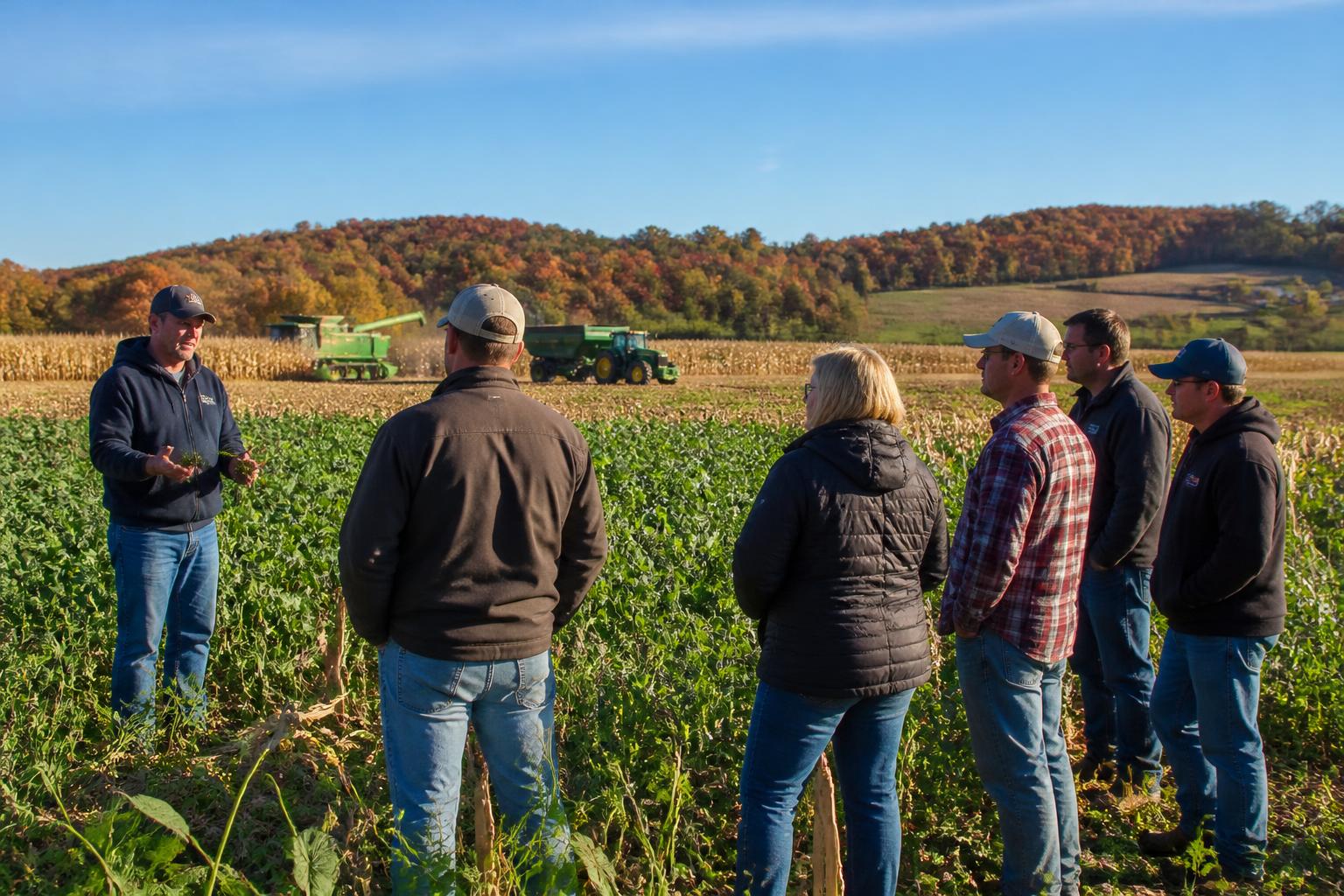
As the fall season progresses in Pennsylvania, growers are shifting their attention from harvest logistics to long-term soil health and input planning for the upcoming cycle. With global corn supplies reaching recent lows and shifts in commodity pricing, producers across the Commonwealth are increasingly scrutinizing their fertilizer budgets. Efficient nutrient management is no longer just an environmental goal but a critical component of maintaining operating margins during periods of market volatility.
For many farmers in regions like Lancaster and Chester County, the conversation around input management has moved toward regenerative and organic practices. By integrating cover crops and exploring biological alternatives, some producers aim to reduce reliance on conventional synthetic fertilizers, which can be susceptible to global price fluctuations. This strategic pivot aligns with a broader trend in Pennsylvania nutrient management, where data-driven application and soil-specific treatments help maximize yield potential while controlling costs.
Building Resilience Through Soil Stewardship
The emphasis on soil health is particularly relevant as agricultural land preservation efforts continue across the state, including in productive counties like Berks. When soil structure is prioritized through organic matter buildup and reduced tillage, the efficiency of applied nutrients often improves. This creates a buffer, allowing farmers to maintain yields even when global supply chains or international price disparities impact the cost of conventional nitrogen, phosphorus, and potassium inputs.
Furthermore, local agricultural service providers are increasingly testing innovative biomass and biological solutions to assist in these transitions. As growers look toward the next planting season, they are balancing the immediate pressure of commodity market trends—such as the recent softening of corn prices—with the necessity of investing in land that remains productive and resilient for years to come.
Logistics and Regional Considerations
Logistics remain a key variable for Pennsylvania's agribusinesses. Whether coordinating the delivery of specialized organic fertilizers or managing the transport of traditional inputs to regional elevators, the timing of these movements can significantly impact farm-gate costs. Understanding the nuances of state-wide nutrient programs and local soil requirements helps in making informed purchasing decisions before the spring rush begins.
What it means for the market
For Pennsylvania producers, the current market environment rewards those who prioritize input efficiency and soil health. As the industry faces downward pressure on major commodity prices, the ability to optimize nutrient use through advanced management techniques or regenerative practices provides a tangible competitive advantage. Moving forward, continued engagement with regional market outlooks will be essential for navigating the balance between operational costs and sustainable production strategies.
Comments
No comments yet - be the first to share your take.