
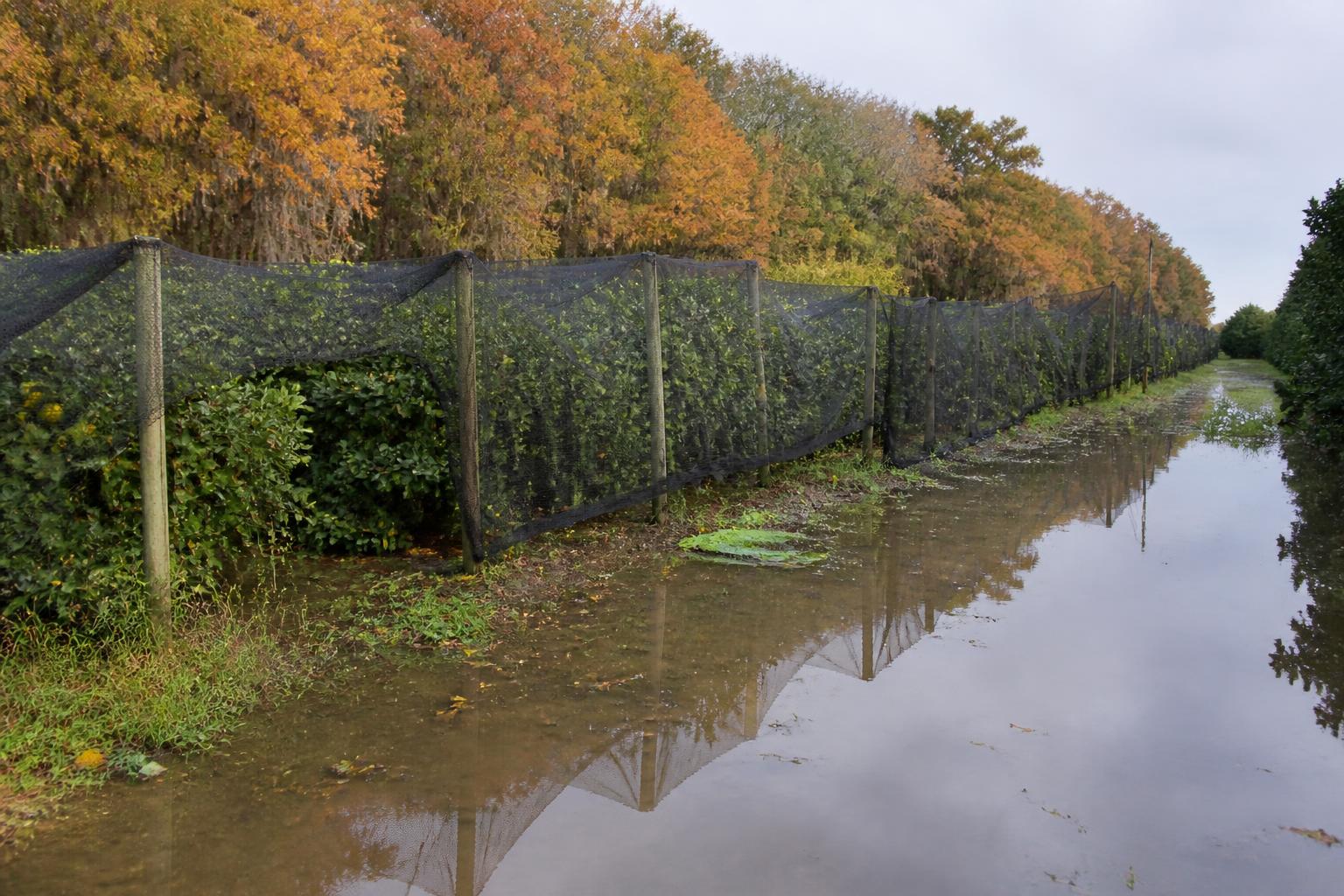
Recent flash flooding events across Florida have created significant operational challenges for specialty crop producers, forcing a critical re-evaluation of crop protection strategies. As the state moves through the fall season, farmers in affected regions are grappling with disrupted logistics and the immediate need to secure standing yields against further weather-related pressures.
Managing Infrastructure Amidst Weather Volatility
The impact of severe weather on Florida's working lands highlights the ongoing need for robust infrastructure. Beyond field-level drainage issues, producers are assessing the stability of access roads and storage facilities. With the current seasonal climate, maintaining the integrity of protective screens and moisture-control systems has become a top priority for growers looking to mitigate the lingering effects of excess saturation.
Shifting Focus Toward Resilient Protection
As the industry navigates these disruptions, the conversation continues to pivot toward advanced protection measures. Investments in specialized screening and climate-adaptive technologies are increasingly seen as essential for protecting high-value crops like grapefruit and other citrus varieties. By utilizing these tools, agribusinesses are attempting to create more predictable environments, even as regional weather patterns become more difficult to forecast.
What it means for the market
For grain handlers, carriers, and input suppliers, the situation demands heightened awareness of localized supply chain interruptions. While demand for protective inputs remains steady, logistics providers should anticipate potential bottlenecks in regions where heavy rainfall has compromised road integrity. Moving forward, the emphasis on soil health and protective infrastructure is expected to remain a dominant theme for Florida producers as they prepare for the upcoming growing cycles.
Comments
No comments yet - be the first to share your take.