
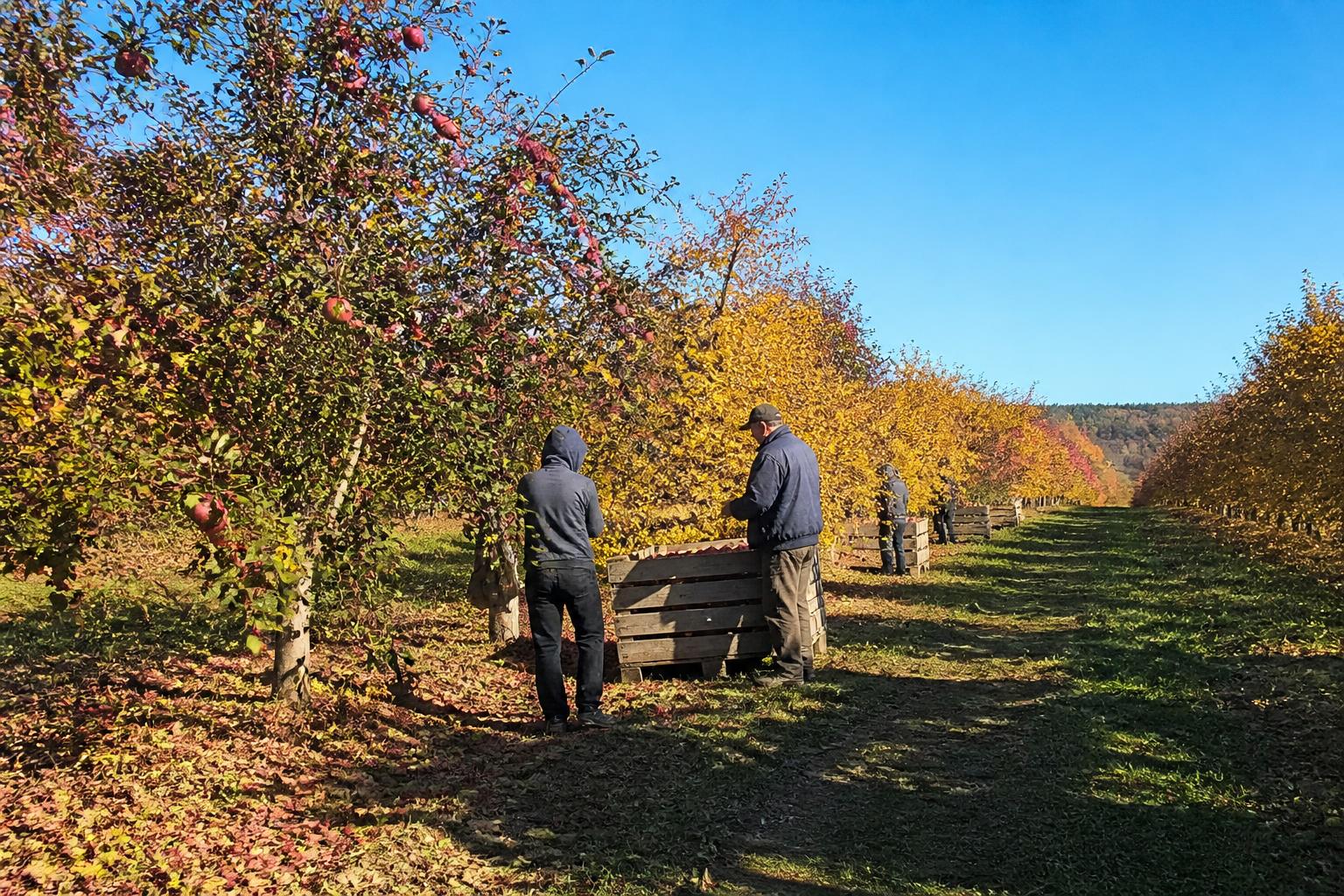
As New York agriculture moves through the final stretches of the fall season, producers and logistics providers are finding some relief in operational overhead. Recent reports indicate that fuel prices across the state have dipped by approximately $0.12, a welcomed change for those managing the heavy transport demand typical of this time of year.
For grain haulers and produce distributors, these minor fluctuations in fuel costs can influence short-term logistics strategies. Even with global market volatility keeping commodity prices sensitive, maintaining a close watch on regional transportation expenses remains a priority for local operations aiming to protect their bottom lines as equipment moves toward winter storage.
Navigating Seasonal Logistical Demands
The fall harvest window often pushes local road infrastructure to its limit, particularly in major agricultural corridors where high-capacity traffic intersects with general commuter routes. Farmers are encouraged to keep a close eye on their New York ag logistics and market trends to ensure that equipment moves are coordinated efficiently. As weather patterns become less predictable, reducing non-essential road time remains a key strategy for mitigating the impact of both fuel price shifts and potential winter-weather-related delays.
Efficiency and Infrastructure Management
Beyond fuel, the focus for New York agribusinesses in late November typically shifts toward maintenance and inventory management. Whether preparing storage facilities for the winter months or reviewing transportation records from the past quarter, the goal is to stabilize operational costs before the onset of extreme cold. Staying proactive with equipment maintenance can prevent the kind of mid-season disruptions that often lead to increased transit times and higher fuel burn rates.
What it means for the market
While the recent drop in fuel prices is positive, it serves as a reminder of how susceptible regional agriculture is to energy market shifts. For New York producers, the current environment necessitates a lean approach to logistics. By leveraging existing transport networks and focusing on route optimization, local businesses can better withstand the pressure of seasonal peak cycles while maintaining steady market participation.
Comments
No comments yet - be the first to share your take.