
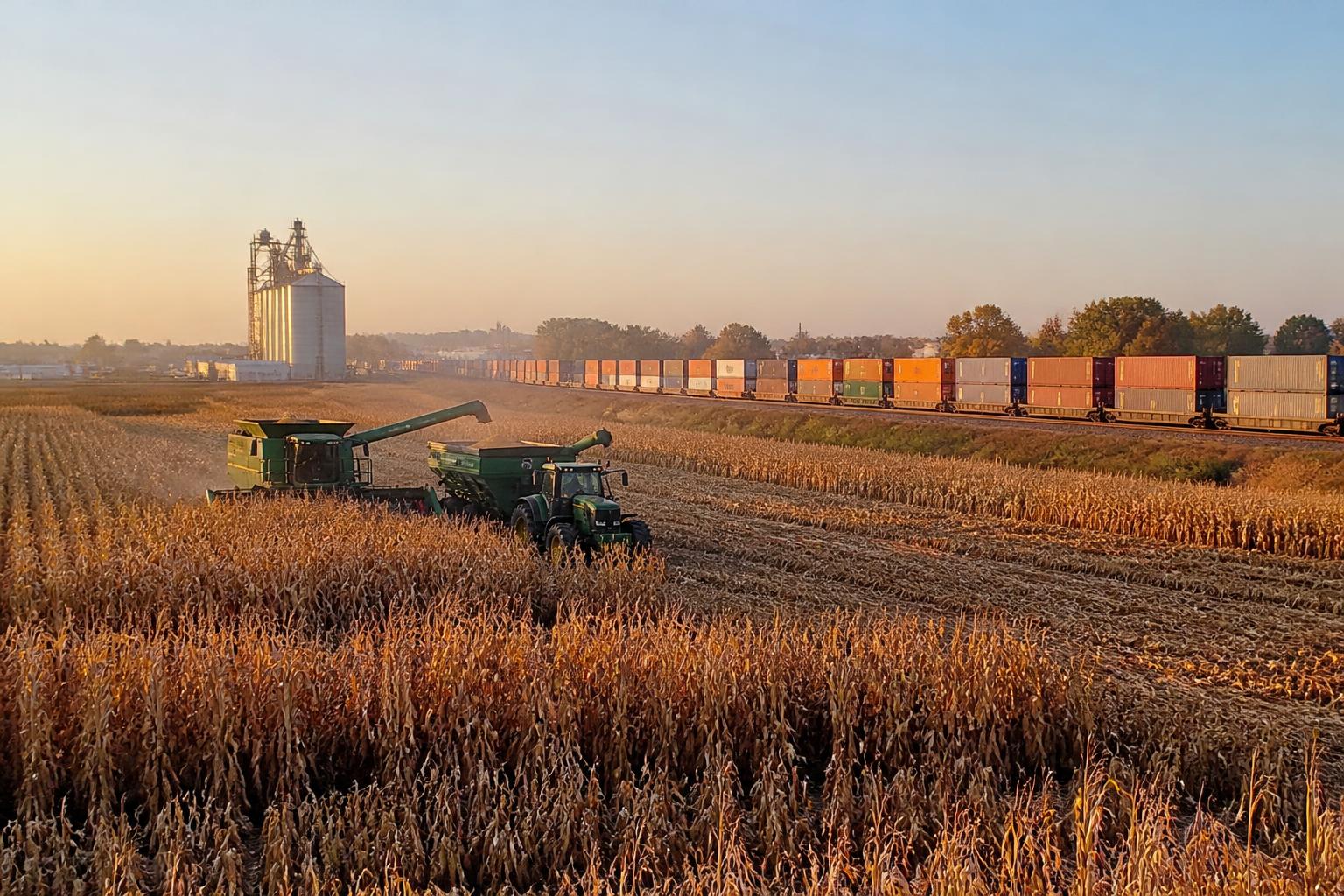
The U.S. agricultural supply chain is facing a complex landscape this November, marked by critical infrastructure hurdles that impact the movement of commodities from heartland fields to international markets. While export activity remains a focal point of industry discourse, especially with high-level international trade forums currently underway, the structural integrity of our internal logistics remains a primary concern for grain elevators and exporters alike.
The Growing Challenge of Barge Fleet Reliability
One of the most persistent issues facing the industry is the aging state of the U.S. barge fleet. As reliance on inland waterways remains a cornerstone for moving bulk grain, the high cost of replacement for these vessels is causing significant anxiety among stakeholders. With older assets requiring more frequent maintenance, producers and handlers may face increased volatility in shipping rates and availability, particularly during peak harvest windows. These infrastructure pressures mirror challenges seen across other transport sectors, where modernizing Kansas ag transport has become a priority for maintaining regional competitive advantage.
Rail Dynamics and Container Shifts
Rail freight continues to evolve as a key alternative to traditional bulk shipping, though recent data highlights shifting trends in how carriers manage capacity. Container traffic has recently emerged as a leader in weekly carload statistics, suggesting that shippers are increasingly turning to containerized transport to navigate systemic rail bottlenecks. For ag businesses, this shift represents both an opportunity to diversify shipping routes and a requirement to adapt to different handling procedures at port terminals and rail-side facilities.
What it means for the market
The convergence of aging river assets and the tightening of rail capacity suggests that logistics costs may remain sensitive to disruptions in the coming quarters. Market participants, from local elevators to regional cooperatives, should prioritize proactive communication with freight carriers to secure commitments early. Maintaining flexibility in transport planning will be essential as the industry navigates a period where infrastructure replacement costs are high and supply chain reliability is paramount to protecting export margins.
Comments
No comments yet - be the first to share your take.