
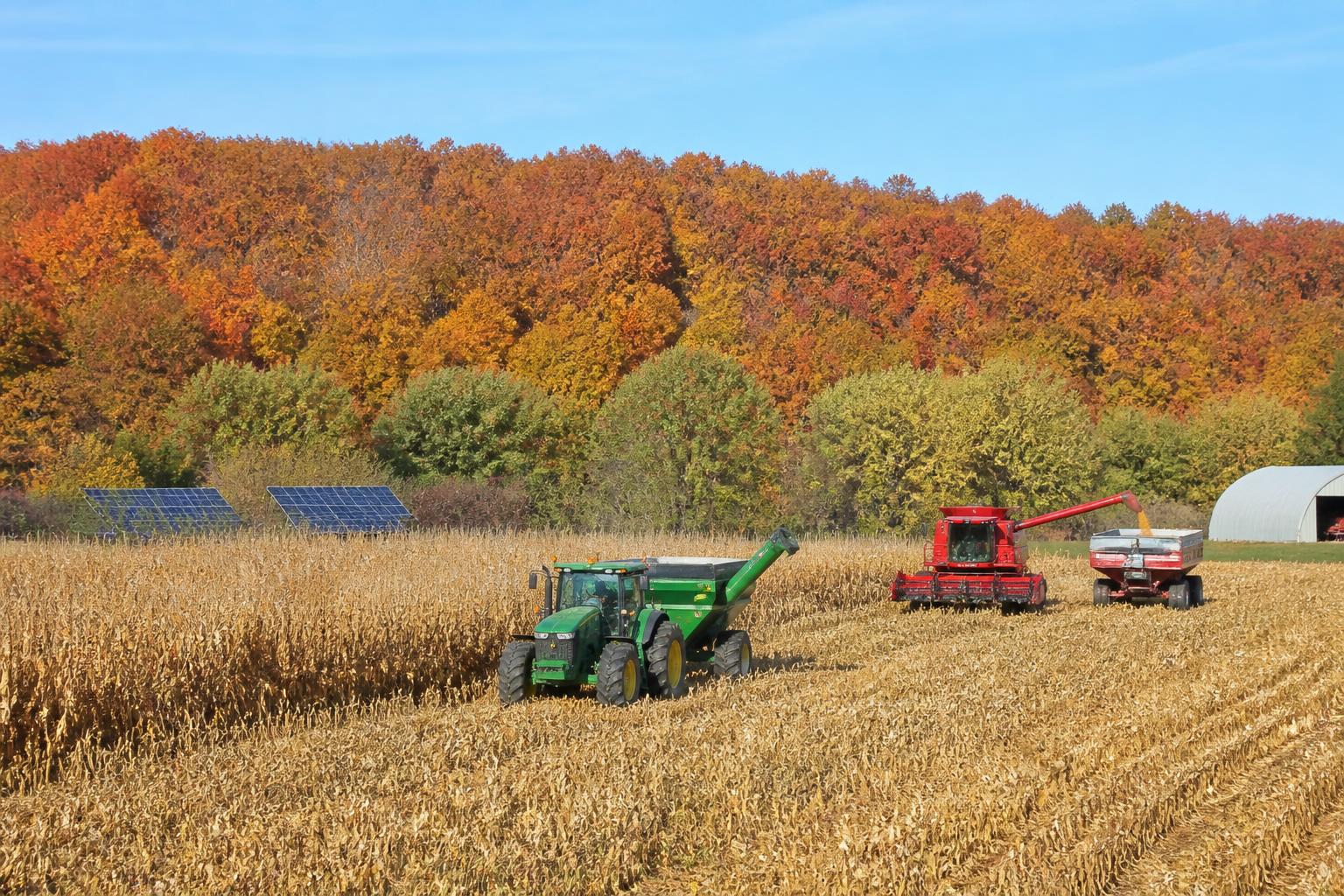
As the mid-November window brings a definitive close to most field operations across New York, the focus for regional growers and handlers has shifted squarely toward post-harvest logistics. With the fall harvest winding down, many elevators in major agricultural counties are prioritizing the movement of stored grain to optimize capacity before the winter freeze sets in.
For those managing on-farm storage, this period remains critical for monitoring quality and ensuring that aeration systems are performing correctly. Producers who are optimizing on-farm storage often find that proactive maintenance at this stage pays dividends in preserving commodity value throughout the colder months.
Energy and Operational Considerations
Beyond the bin, the broader agricultural landscape in New York is navigating the dual pressures of energy costs and infrastructure development. With recent discussions surrounding bulk energy storage solicitations and the long-term integration of solar projects onto agricultural land, landowners are increasingly evaluating how energy policy impacts their operational flexibility. It is a time when many are navigating fall logistics to ensure that input delivery schedules align with both field needs and fluctuating fuel trends.
Transportation remains the backbone of this efficiency. Operators moving product toward regional hubs or the coast are observing how market volatility in energy sectors can impact freight availability. While diesel pricing has shown some relief recently, the emphasis remains on streamlining routes and leveraging efficient equipment to keep margins protected.
Innovation in the Pipeline
Technology continues to play a pivotal role in the future of the state’s agricultural sector. Innovations such as those seen in biostorage and cooling solutions are garnering investment, which could eventually reshape how local commodities are held or processed. Keeping an eye on how these capital investments influence the regional supply chain is essential for agribusinesses looking to stay competitive.
What it means for the market: For New York farmers and grain handlers, the current priority is clear: capitalize on any remaining window for efficient logistics and equipment maintenance before winter settles in. By staying informed on regional transport trends and managing storage assets closely, producers can mitigate the risks of seasonal market volatility and ensure their operations are well-positioned for the year ahead.
Comments
No comments yet - be the first to share your take.