
Market Trends and Harvest Progress
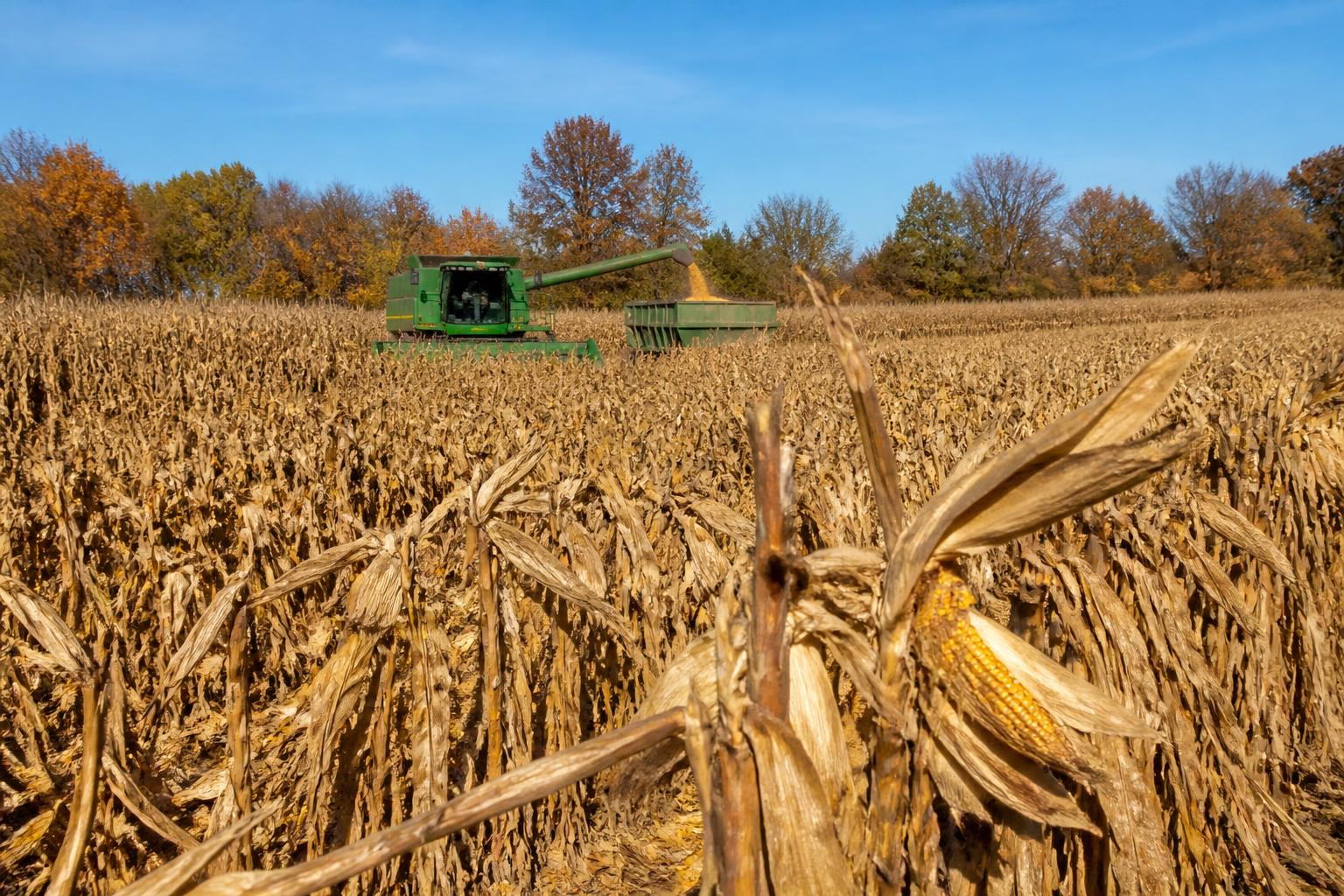
As the fall season progresses through November, agricultural operations in South Dakota are increasingly turning their attention toward final harvest tallies and post-harvest logistics. While neighboring states have seen variable progress in their corn harvests, local producers are managing the tail end of the season with an eye on both moisture levels and storage capacity. Maintaining momentum during these final weeks is critical for efficiency before the onset of more severe winter conditions.
Logistics and Regional Infrastructure
Effective movement of commodities remains a top priority for agribusinesses and carriers across the state. As grain movement patterns fluctuate following the bulk of the harvest, stakeholders are evaluating the regional transportation network. For many, this involves optimizing winter grain movement strategies to ensure that supply chains remain fluid despite potential seasonal disruptions. Recent investments and grants in regional rail infrastructure nearby underscore the ongoing commitment to strengthening the capacity for grain transit out of the Northern Plains.
Preparing for the Winter Season
With field work nearing completion, the focus in South Dakota shifts to securing inputs and ensuring facility readiness for the colder months ahead. Producers are encouraged to review their operational plans to manage seasonal volatility effectively. Whether it involves managing grain piles or scheduling transport, proactive communication with elevators and trucking partners can help mitigate delays as the region enters the final stretch of the calendar year.
What it means for the market
The transition from active harvest to storage management suggests a tightening of logistics as demand for transport persists. Producers should monitor local basis levels and maintain close coordination with their logistics partners to navigate the remaining fall and early winter market cycle. As the industry looks toward the next planning season, operational efficiency in storage and transport will continue to be a primary driver of regional competitiveness.
Comments
No comments yet - be the first to share your take.