
Adapting to Seasonal Challenges
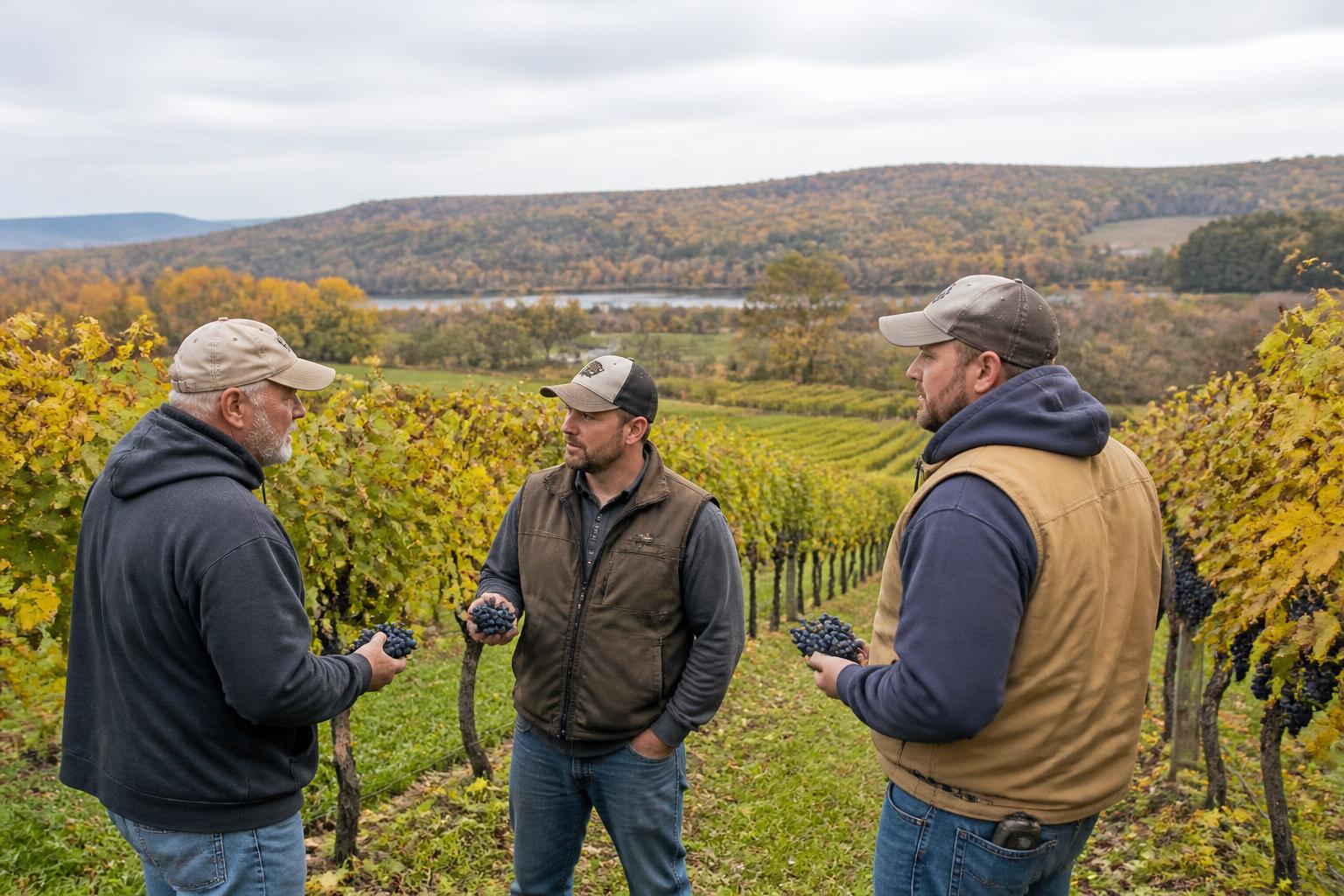
As Pennsylvania producers move through the final stages of the fall season, the focus remains on mitigating the residual impacts of earlier environmental volatility. Many growers across the state, particularly in regions like Centre County, are still reconciling with the effects of an unpredictable spring frost that significantly impacted yields earlier this year. This has necessitated a strategic shift in logistics and inventory management for those in specialty sectors, including fruit and specialty crop operations.
For those managing Pennsylvania's evolving agricultural market, the current focus is on maintaining soil health and equipment maintenance before the winter freeze settles in. Addressing these logistical bottlenecks is vital for operations looking to preserve thin margins after a challenging production cycle.
Strategic Shifts in Crop Management
Beyond the immediate recovery efforts, agribusinesses are increasingly looking toward long-term stabilization. This involves a closer look at diversification and input efficiency to better handle the fluctuations typical of the mid-Atlantic climate. As growers assess their remaining harvest potential, attention is turning toward implementing better fertilizer management strategies that align with both environmental stewardship and economic constraints.
What it means for the market
For grain handlers, carriers, and input buyers, the current period represents a crucial window for operational recalibration. Producers are prioritizing the preservation of existing assets and preparing for a reset in the coming year. Stakeholders should monitor regional supply chains closely, as local inventory levels are likely to be tighter than in previous seasons, potentially impacting distribution patterns throughout the winter months.
Comments
No comments yet - be the first to share your take.