
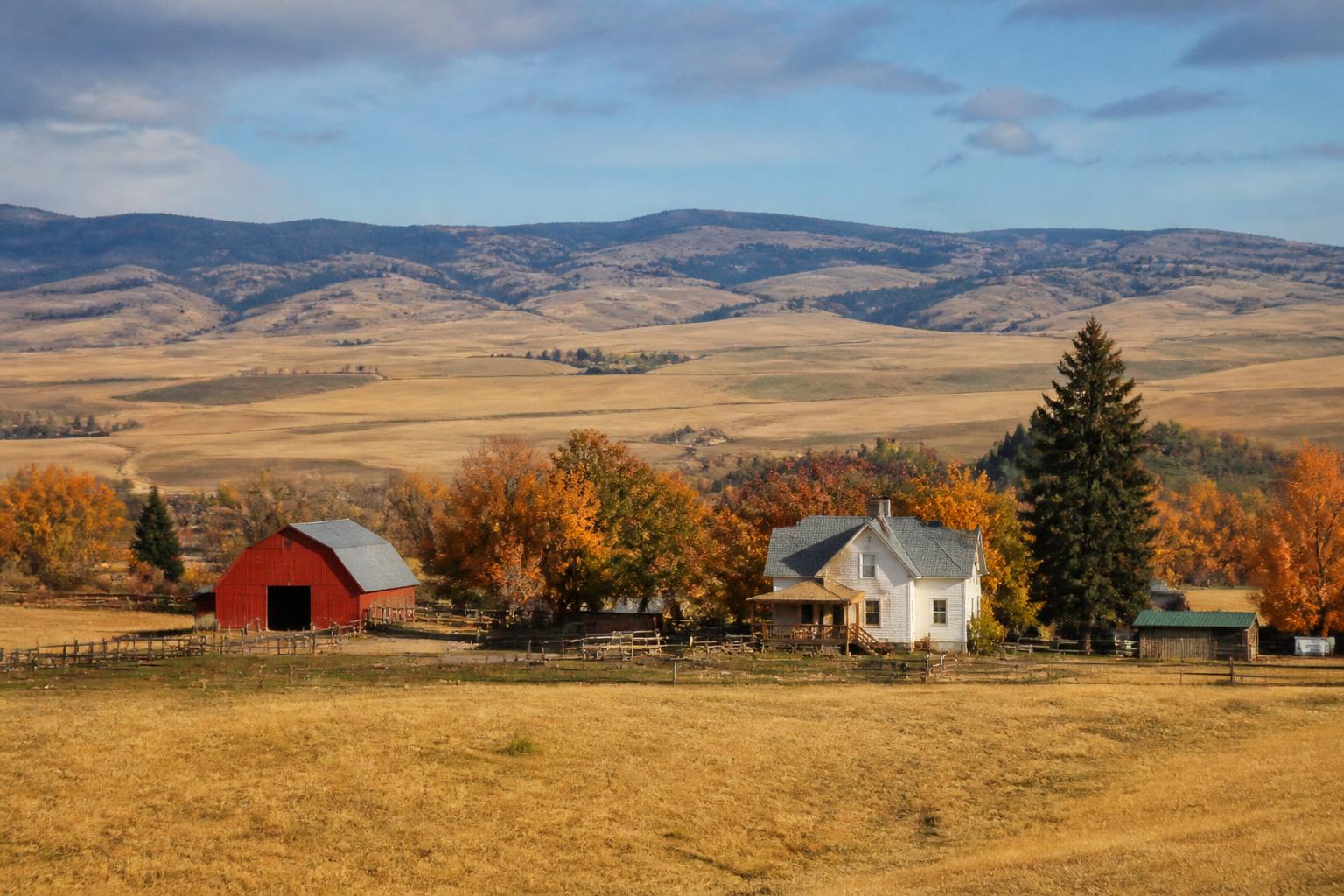
The Evolving Landscape of Montana Farmland
As the fall season progresses, the Montana agricultural sector continues to witness structural shifts in land ownership and management. Recent activity involving significant acreage, such as the reported sale of Monette Farms property, highlights the ongoing consolidation and transition of assets within the state. For regional producers and local grain handlers, such developments often signal broader trends in how land is being utilized and managed across the state's vast agricultural footprint, from the high plains to the mountain valleys.
Legislative Outlook and Federal Policy
Beyond local soil, Montana's agribusiness community is keeping a close watch on potential shifts in federal farm policy. As a new Congress prepares to take shape, there is anticipation regarding how national agricultural priorities might be refocused to better support state-level production and infrastructure. These policy shifts, while often gradual, could eventually influence everything from commodity support structures to regional logistical funding.
Understanding these broader changes is vital for maintaining market resilience. For further context on how changing dynamics impact your operations, Montana producers can review how regional asset shifts interact with global supply pressures. Staying ahead of these trends often involves tracking the delicate balance between local procurement and international market forces, a theme explored in our recent insights on fall procurement and logistical pressures.
Operational Nuances in a Shifting Market
The intersection of changing land ownership and national policy uncertainty requires a disciplined approach to risk management. As we approach the end of the calendar year, managing grain stocks efficiently remains a priority. In this environment, keeping abreast of how logistical bottlenecks or shifts in demand impact local pricing is essential. Detailed observations on mid-November grain and livestock trends can help operators adjust their sales strategies to navigate current volatility effectively.
What it means for the market
For the Montana agricultural sector, the coming months are likely to be defined by a focus on long-term stability rather than immediate disruption. Producers should remain vigilant regarding land tenure changes and federal policy developments, as both have the potential to recalibrate operational costs and market access. While the industry faces these shifts, a localized focus on logistics and prudent inventory management remains the most reliable pathway to navigating the late-fall market cycle successfully.
Comments
No comments yet - be the first to share your take.