
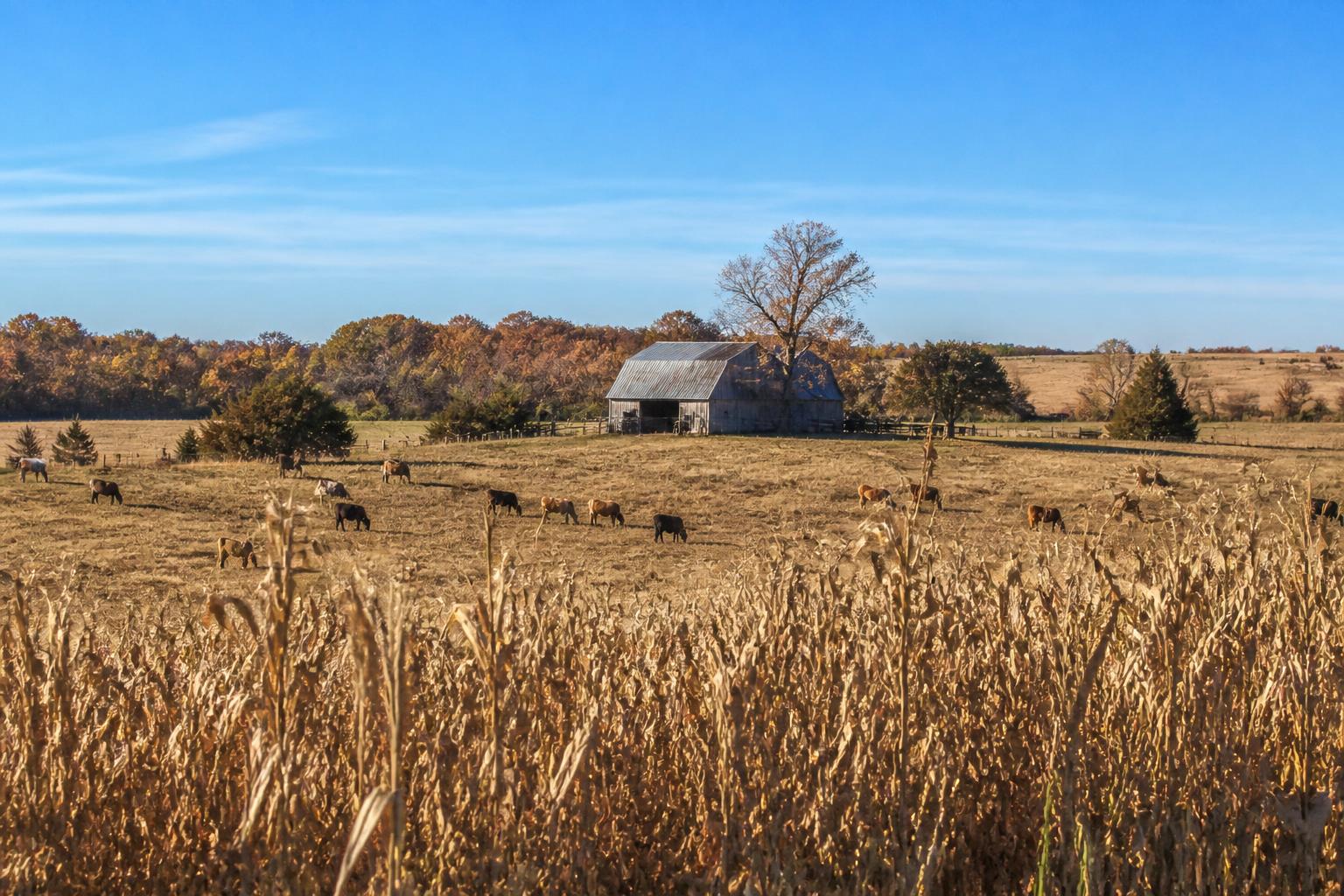
The Current Economic Landscape for Oklahoma Producers
As we move through November, Oklahoma agribusinesses and producers are contending with a persistent gap between elevated production costs and softening commodity price environments. Balancing the ledger has become the primary focus for many operations across the state, from the cattle-rich corridors of the Panhandle to the diverse grain fields in the central and eastern regions. While resilience remains a hallmark of the state's agricultural sector, the tightening of margins requires a strategic approach to both operational spending and market navigation.
Cattle Markets and Operational Resilience
The feeder cattle market has recently exhibited mixed signals, reflecting broader uncertainty in the futures markets. Auction barns across Oklahoma continue to see varied demand, though producers remain focused on sustaining quality and traceability. This trend is further supported by initiatives like those seen with Choctaw Ranches, which aim to connect more Oklahoma-raised beef directly with consumers, potentially offering a buffer against wider market volatility. For those managing herds, monitoring grain prices and seasonal feed costs remains essential as winter approaches.
Long-Term Planning and Strategic Oversight
Policy developments also play a significant role in the current climate, with legislative focus on the Commodity Futures Trading Commission (CFTC) highlighting the need for transparent and fair oversight in agricultural trading. Producers should keep a close eye on regulatory shifts that could impact market access and hedging tools. Furthermore, for those looking toward the next production cycle, assessing financial health through rigorous farm transition and economic planning is increasingly viewed as a prerequisite for long-term viability in this high-cost environment.
What it means for the market
The combination of soft pricing and high overheads suggests that Oklahoma producers should prioritize liquidity and risk management through the end of the year. While consumer demand for food products remains steady—as evidenced by seasonal spending patterns—the ability to maintain profitability hinges on disciplined cost control and informed engagement with available market data.
Comments
No comments yet - be the first to share your take.