
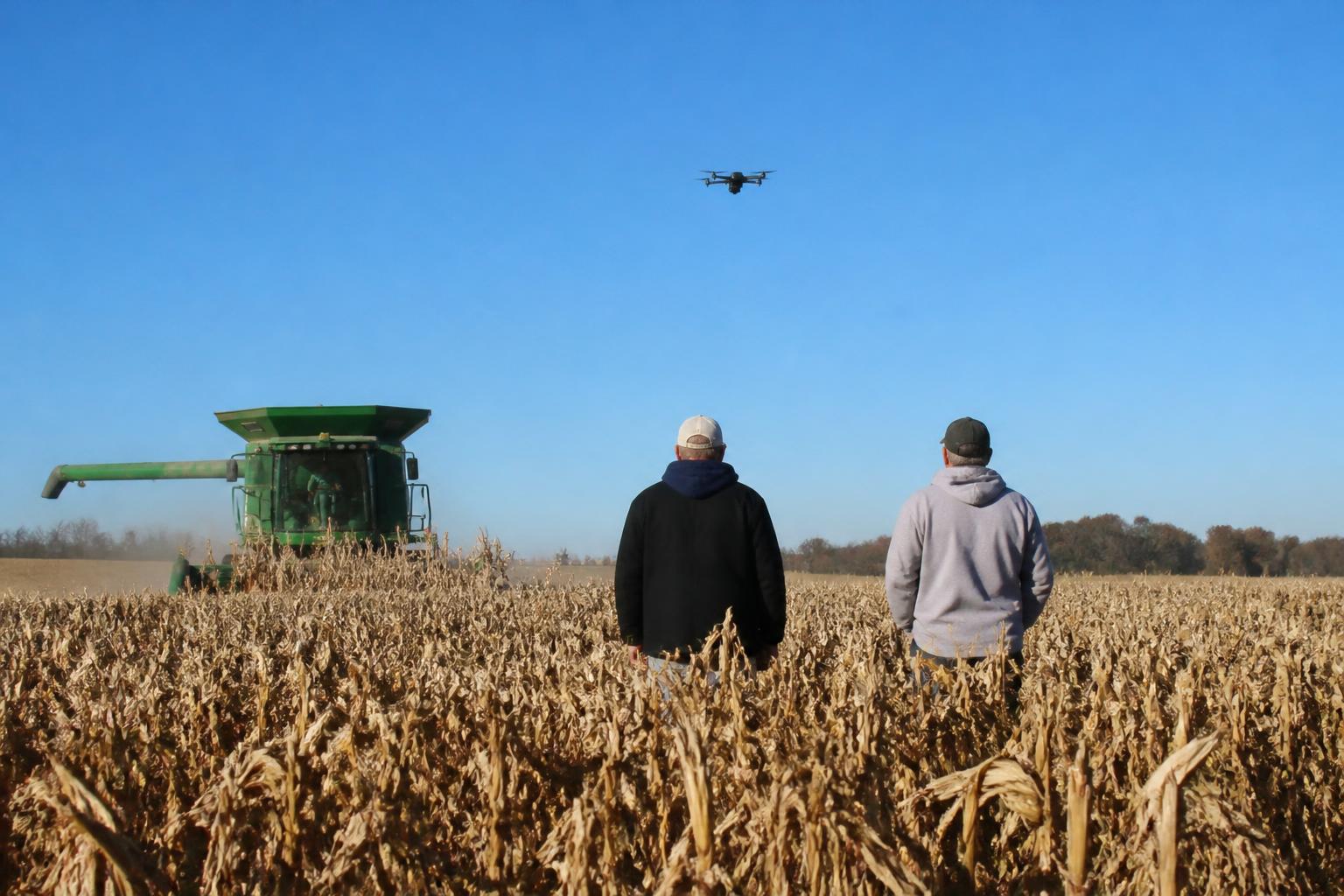
As Indiana fields transition through the late fall, producers are shifting their focus toward strategic planning for the upcoming crop cycle. With input costs remaining a significant factor in operational budgets, maximizing nitrogen efficiency has become a top priority. Growers are currently evaluating split-application strategies and variable-rate technology to stretch their nitrogen dollars, aiming to maintain yield potential while mitigating unnecessary expenses in an unpredictable commodity environment.
Emerging Markets for Corn Ethanol
Beyond the field, the potential for expanded demand in the biofuels sector offers a glimmer of hope for mid-west corn producers. Industry discussions regarding the integration of corn ethanol into the maritime fuel market suggest a significant opportunity for the state’s grain handlers. As highlighted in Indiana Market Outlook: Navigating 2026 Yields and Policy Shifts, aligning production with these evolving downstream sectors could provide much-needed support for local prices in the coming years.
Operational Safety and Efficiency
The recent increase in adoption of agricultural technology, including drones for precision spraying, continues to change how Indiana farms operate. While these tools offer undeniable efficiency, they also necessitate a heightened focus on safety protocols to prevent operational accidents that can interrupt seasonal workflows. Integrating new tech requires a balanced approach to ensure that the pursuit of higher yields does not come at the expense of on-farm safety or personnel security.
Community and Resource Support
As farmers navigate these complex market conditions, local partnerships remain a cornerstone of stability. State-level support initiatives, such as those announced by the Indiana State Department of Agriculture and various food bank programs, reinforce the critical role that local agricultural infrastructure plays in regional stability. For producers managing margin pressures and logistics hurdles in Indiana, these support systems provide an essential buffer against broader economic volatility.
What it means for the market
The convergence of tightening input efficiency and potential growth in the maritime ethanol market defines the current outlook for Indiana agriculture. For elevators and growers alike, success in the next season will likely depend on a combination of precision input management and staying ahead of shifting demand trends in renewable energy, ensuring that local operations remain competitive as global supply chains evolve.
Comments
No comments yet - be the first to share your take.