
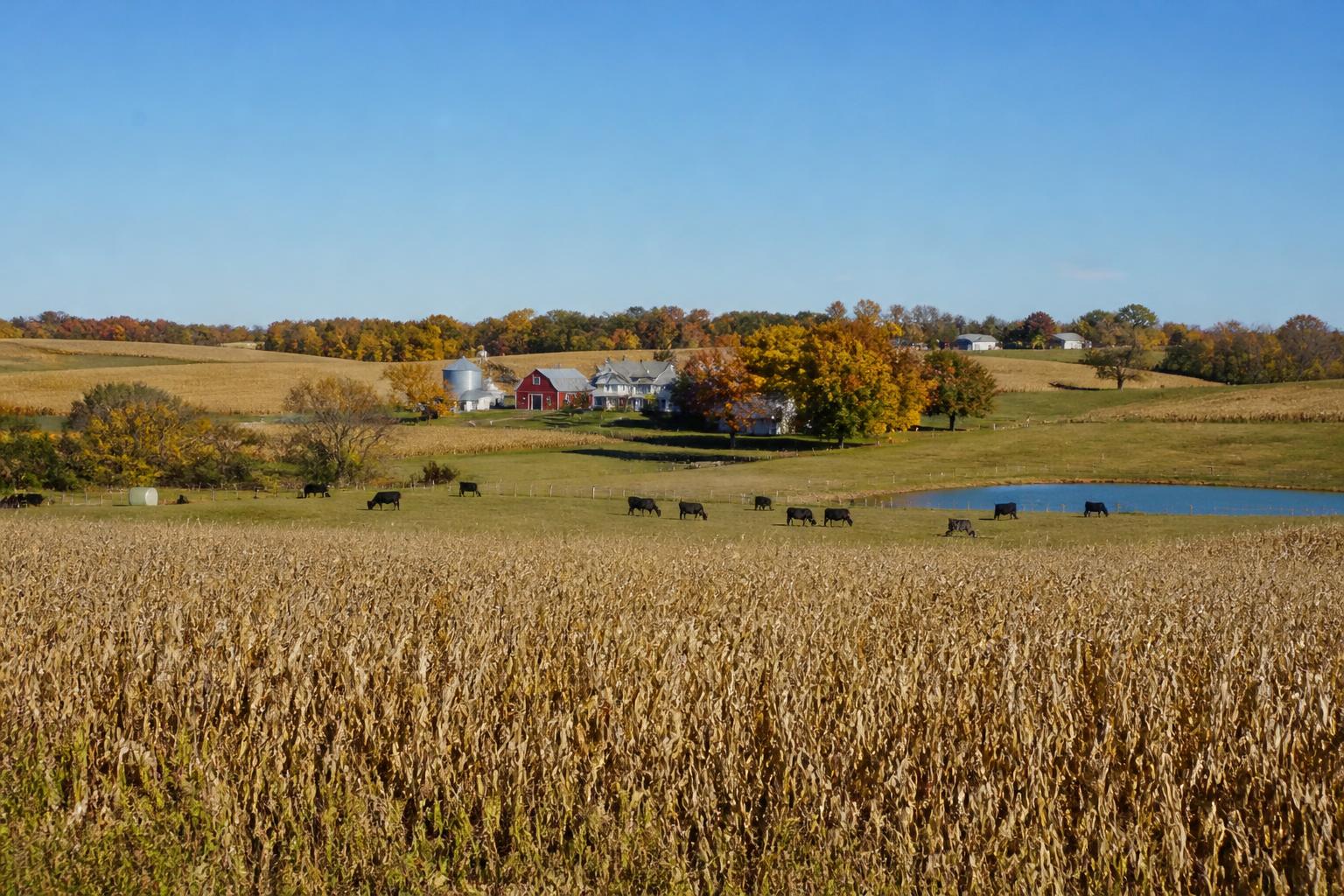
As the fall season progresses in Nebraska, agricultural stakeholders are balancing the final stages of field activity with an increased focus on infrastructure and data integrity. Reliable logistics remain a top priority for producers looking to move commodities effectively, especially as regional transportation networks undergo significant development. Recent federal investments in state transit projects suggest that long-term improvements to rural transport corridors are underway, which may eventually streamline the movement of grain and livestock across the state.
For many farm businesses, efficiency hinges on both physical road access and the accuracy of industry data. With the USDA testing new methodologies to refine how agricultural statistics are collected, farmers are encouraged to remain engaged with reporting processes. Accurate data helps paint a clearer picture of regional supply chains and can influence everything from local storage planning to broader market access.
Refining Data and Logistics
The push for modernization extends beyond just pavement and bridges. As highlighted in our recent look at field logistics and data reliability in Nebraska, producers are increasingly relying on precise information to manage their inventory as the season winds down. Whether managing on-farm storage or coordinating with local elevators, the ability to anticipate bottlenecks in transport is essential during these final weeks of autumn.
Infrastructure Outlook
In addition to logistical challenges, the state continues to see strategic investments in its agricultural backbone. From ongoing discussions regarding fertilizer manufacturing facilities to broader state-level transportation grants, Nebraska is positioning itself to support long-term output. For carriers and grain handlers, these developments may provide more consistent pathways to move product, though managers should continue to monitor local road conditions as heavy equipment moves across county lines during the late harvest window.
What it means for the market
For Nebraska agribusinesses, the combination of improved transportation funding and evolving data collection methods suggests a period of transition. Producers who prioritize operational transparency and stay informed on infrastructure updates will be better equipped to handle seasonal shifts. While the immediate focus remains on finishing field work, the underlying improvements to the state’s logistical framework are key indicators for long-term productivity and supply chain stability.
Comments
No comments yet - be the first to share your take.