
Market Dynamics in Flux
The U.S. agricultural logistics landscape is currently navigating a complex intersection of record-breaking export performance and structural challenges. While the meat sector celebrates significant milestones in global market penetration, grain handlers and transporters remain focused on the efficiency of domestic infrastructure. As we move through the fall, the movement of commodities continues to rely heavily on the resilience of rail and inland waterway networks.
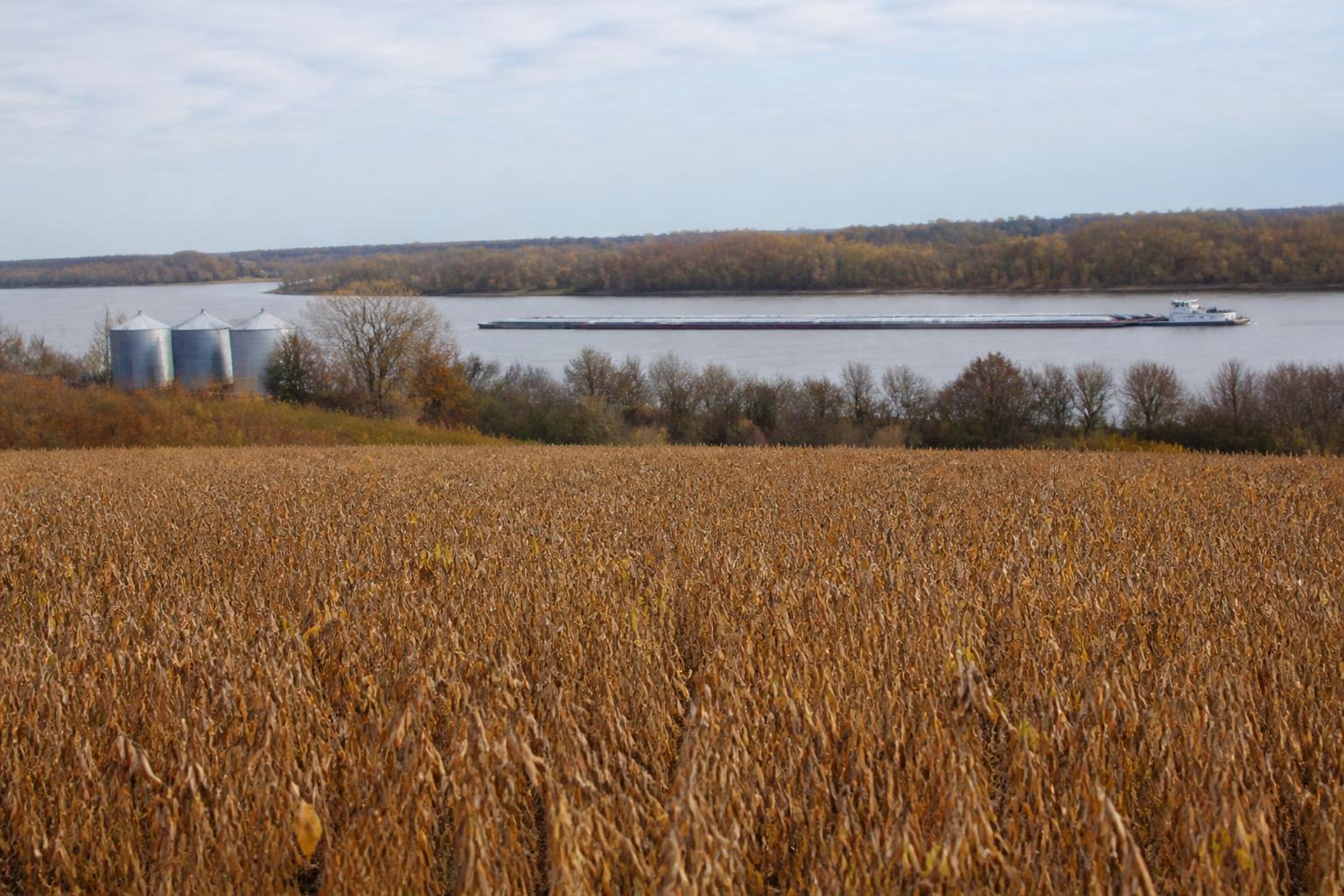
Rail service remains a focal point for the grain industry. Recent discussions involving potential major rail consolidations have prompted significant concern among agricultural groups. The prospect of further industry integration often sparks debate over competitive pricing and equipment availability for grain shipments, which could impact barge fleet challenges and future fuel potential if inland capacity is forced to absorb increased rail-freight volatility.
Export Pressures and Trade Realities
International trade policy continues to exert pressure on specific commodity flows. With domestic supply surges in key export markets, some nations have begun implementing stricter clearance processes at ports. This strategy, intended to manage internal stock levels and address shifting demand in the livestock sector, creates potential bottlenecks that exporters must navigate. For U.S. farmers and cooperatives, this reinforces the need for agility in logistics planning and careful monitoring of destination port activity.
The current environment highlights the critical nature of diversified transit routes. Whether it is the movement of proteins destined for international markets or the flow of grain toward coastal hubs, the ability to pivot between rail and water transit is essential for maintaining margins during periods of global trade uncertainty.
What it means for the market
The current logistics landscape suggests a period of caution for those managing agricultural supply chains. Stakeholders should keep a close watch on Surface Transportation Board filings and international port clearance data. While export demand for U.S. beef and pork provides a strong buffer for the agricultural economy, the potential for rail service disruptions and slow-downs at major international ports necessitates robust inventory and transport contingency planning as the year winds down.
Comments
No comments yet - be the first to share your take.