
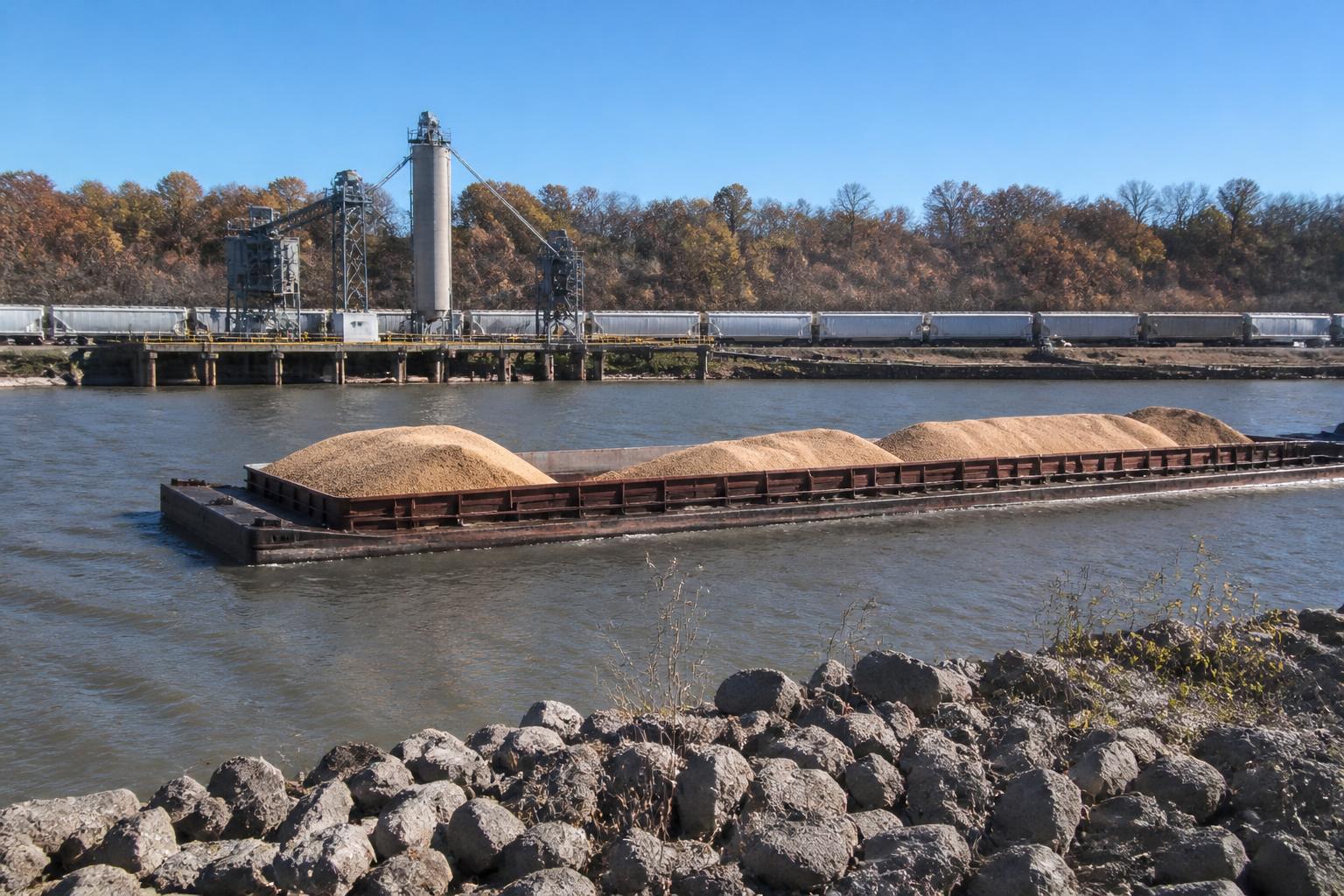
As the peak of the fall shipping season progresses, agricultural logistics remain under heavy scrutiny. Recent reports indicate that the inland waterway system is handling significant traffic, with thousands of barges moving through key corridors, including the Ohio and Mississippi river systems. This volume of movement is a vital indicator for producers looking to gauge the efficiency of getting grain to export terminals.
For those navigating domestic supply chains, the synchronization between river and rail transport is essential. Understanding the current dynamics of the barge fleet and infrastructure can provide a clearer picture of potential bottlenecks as we move toward the end of the year.
Rail Performance and Dwell Times
Rail logistics continue to see varied results across major carriers. Recent USDA data highlights that while some railroads lead in origin dwell times, other networks are grappling with equipment utilization and transit reliability. Effective rail and export management remains a primary concern for elevators and agribusinesses aiming to meet contract obligations.
Reports on grain shuttle turns and the volume of cars unmoved for over 48 hours underscore the importance of maintaining communication with logistics providers. Monitoring these metrics can help shippers anticipate delays before they impact local elevator capacity.
Export Demand and Market Flow
Export activity remains a key driver for logistics demand. With ongoing international trade discussions and reports of consistent soybean demand, the pressure on coastal and interior logistics infrastructure persists. As the cooperative and elevator sector continues to consolidate, many firms are prioritizing efficient asset utilization to mitigate rising transit costs.
What it means for the market
For farmers and grain handlers, the current logistics landscape reinforces the need for proactive planning. With barge rates and rail fulfillment showing mixed results, securing transit capacity early and keeping a close watch on regional rail performance remains critical to avoiding seasonal congestion. Maintaining flexibility in delivery schedules may be the most effective strategy to navigate the remainder of the fall shipping window.
Comments
No comments yet - be the first to share your take.