
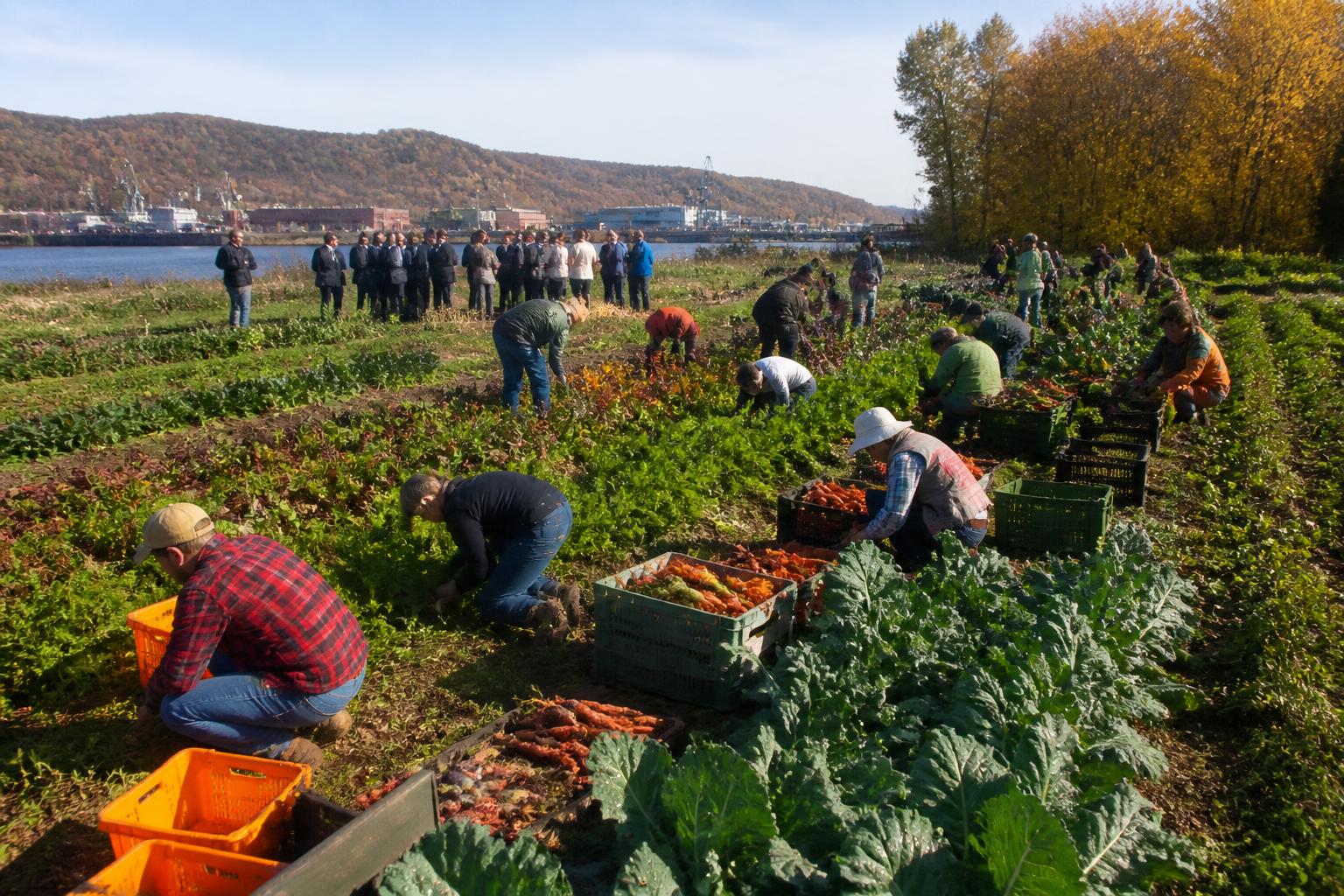
As the fall harvest season winds down, Virginia producers and agribusinesses are shifting their focus from field operations to the efficiency of regional supply chains. In a landscape where transport costs and timely access to markets are critical, stakeholders are increasingly looking at infrastructure investments to better connect production centers with key distribution points.
Discussions among regional representatives have recently highlighted the potential for developing shallow ports and improving logistics corridors in mountainous and production-heavy areas. These initiatives, if implemented, may help streamline the movement of commodities from the farm gate to larger processing or shipping facilities, potentially reducing the logistical bottlenecks that often occur during peak seasonal transitions.
Aligning Industry Resources and Support
Beyond physical infrastructure, the industry is seeing a concerted effort to bolster specific agricultural sectors through targeted funding. Recent awards for specialty crop projects underscore a broader trend of leveraging grants to enhance specialty crop production and market access. For smaller operations and collaborative groups, such as those seen in areas like Henrico, these programs provide a crucial safety net for diversifying output and reaching local consumers.
Furthermore, technology is playing an expanded role in tracking the impact of these investments. As agencies and research institutions like Virginia Tech explore the use of artificial intelligence to monitor conservation dollars, the goal remains to ensure that financial aid effectively reaches the producers where it can create the most significant, measurable improvements in yield and sustainability. Managing these resources requires careful attention, especially as many growers look ahead to the next production cycle and navigate seasonal risk and enrollment deadlines.
What it means for the market
For Virginia farmers and handlers, the current environment suggests a transition toward more integrated logistics and strategic capital allocation. While infrastructure projects and policy discussions regarding chemical safety and regulation may take time to yield direct results at the farm level, the current momentum behind logistics development and grant availability points to a focus on long-term efficiency. Market participants should stay informed on these funding windows, as they represent vital opportunities for upgrading storage or transport capabilities to prepare for future harvests. Producers aiming to remain competitive should monitor these shifting logistics frameworks and potential changes to harvest protection strategies as they evaluate their operational overhead heading into the winter months.
Comments
No comments yet - be the first to share your take.