
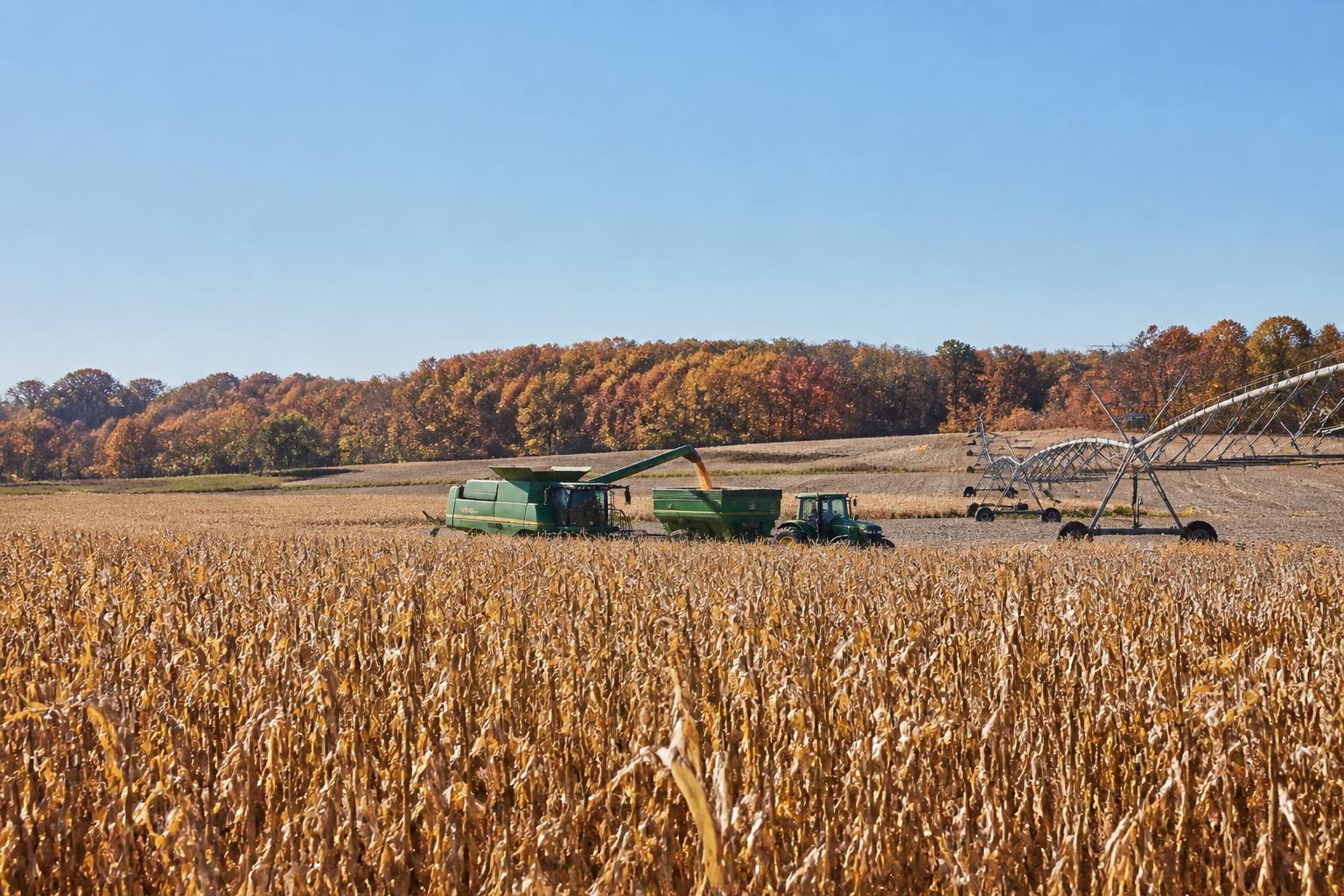
As we move through the heart of the fall harvest season in Alabama, producers and logistics providers are managing the typical complexities of local transport. With fields across the Black Belt and northern regions hitting peak activity, maintaining efficient movement of grain from farm gates to elevators remains the priority for keeping local supply chains moving smoothly.
For many operators, this period is synonymous with balancing tight delivery windows and navigating regional transportation bottlenecks. Whether you are hauling loads toward the Tennessee River or coordinating transport to coastal export terminals, optimizing Alabama grain movement and supply chain resilience this fall is critical to managing the costs of short-haul logistics and equipment wear.
Managing Seasonal Transit Challenges
The influx of harvest traffic on state corridors often brings unexpected delays, particularly on secondary roads where weight restrictions or seasonal maintenance can slow movement. Staying proactive about route planning can help avoid congestion points. Carriers and producers who anticipate these shifts typically see fewer disruptions during the busiest weeks of the season.
Moreover, keeping an eye on operational efficiency is key. By focusing on load scheduling and reducing idle time at high-volume storage facilities, you can improve your margins despite market volatility. This is especially true for those engaged in navigating fall logistics and market volatility in Alabama, where reacting quickly to regional throughput changes can preserve your bottom line.
Strategic Planning for Winter Storage
As the season progresses, many growers are shifting focus toward long-term storage and on-farm inventory management. Ensuring that grain is properly conditioned before it enters storage bins can protect quality and prevent spoilage losses as temperatures begin to fluctuate. Efficient handling now reduces the risk of quality discounts at the elevator later in the year.
What it means for the market: As we settle into the final stages of the fall harvest, the focus in Alabama remains on logistical coordination. Producers who prioritize equipment maintenance and proactive route planning will be best positioned to handle the ongoing transport pressures, ensuring that harvested bushels move effectively into storage or market channels before winter conditions arrive.
Comments
No comments yet - be the first to share your take.