
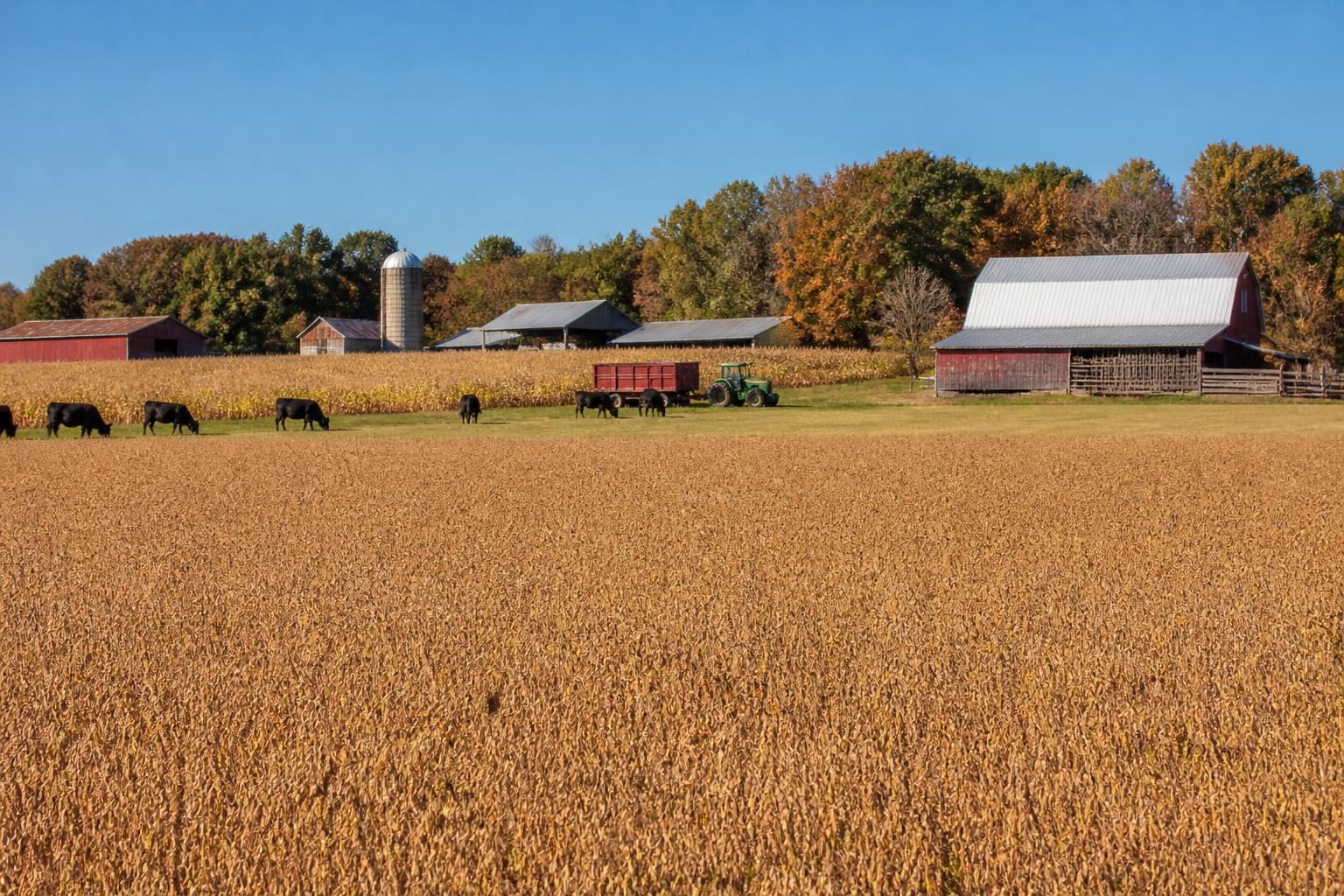
South Carolina agricultural infrastructure is seeing renewed investment, with a major grain company in Dillon County announcing a 2 million dollar expansion project. This development underscores the vital role of local storage and processing facilities in maintaining the flow of commodities from harvest fields to regional markets. Such investments are critical for producers looking to optimize seasonal marketing windows and manage logistics more effectively during peak demand periods.
Infrastructure and Regional Resilience
The commitment to expanding storage capacity in the eastern part of the state provides a timely boost for regional grain handlers. Efficient, localized storage can help mitigate the bottlenecks that often occur during high-volume harvest months. For farmers, reliable infrastructure translates into better flexibility when deciding whether to move grain directly to market or store for potential price improvements later in the season, as noted in recent field management and grain outlooks.
Navigating Late-Season Variables
While facility expansions provide long-term stability, the immediate market remains sensitive to environmental factors. Recent fluctuations in temperature and local weather patterns have introduced added complexity for growers finishing the fall season. Maintaining consistent water and energy utility service is essential for rural operations, and agricultural businesses continue to work closely with local providers to ensure that both processing and field-side operations remain uninterrupted during these critical months.
Furthermore, the broader ecosystem supporting South Carolina agriculture is evolving. The addition of academic programs in animal and veterinary sciences reflects a push to deepen the state's technical expertise, which may eventually support more integrated livestock and crop production models across the region.
What it means for the market
The combination of infrastructure growth and academic investment points to a strengthening agricultural foundation in South Carolina. For producers and agribusinesses, the takeaway is to leverage these evolving facilities to improve supply chain efficiency, while remaining vigilant regarding the weather-related risks that define late-season operations in the Carolinas.
Comments
No comments yet - be the first to share your take.