
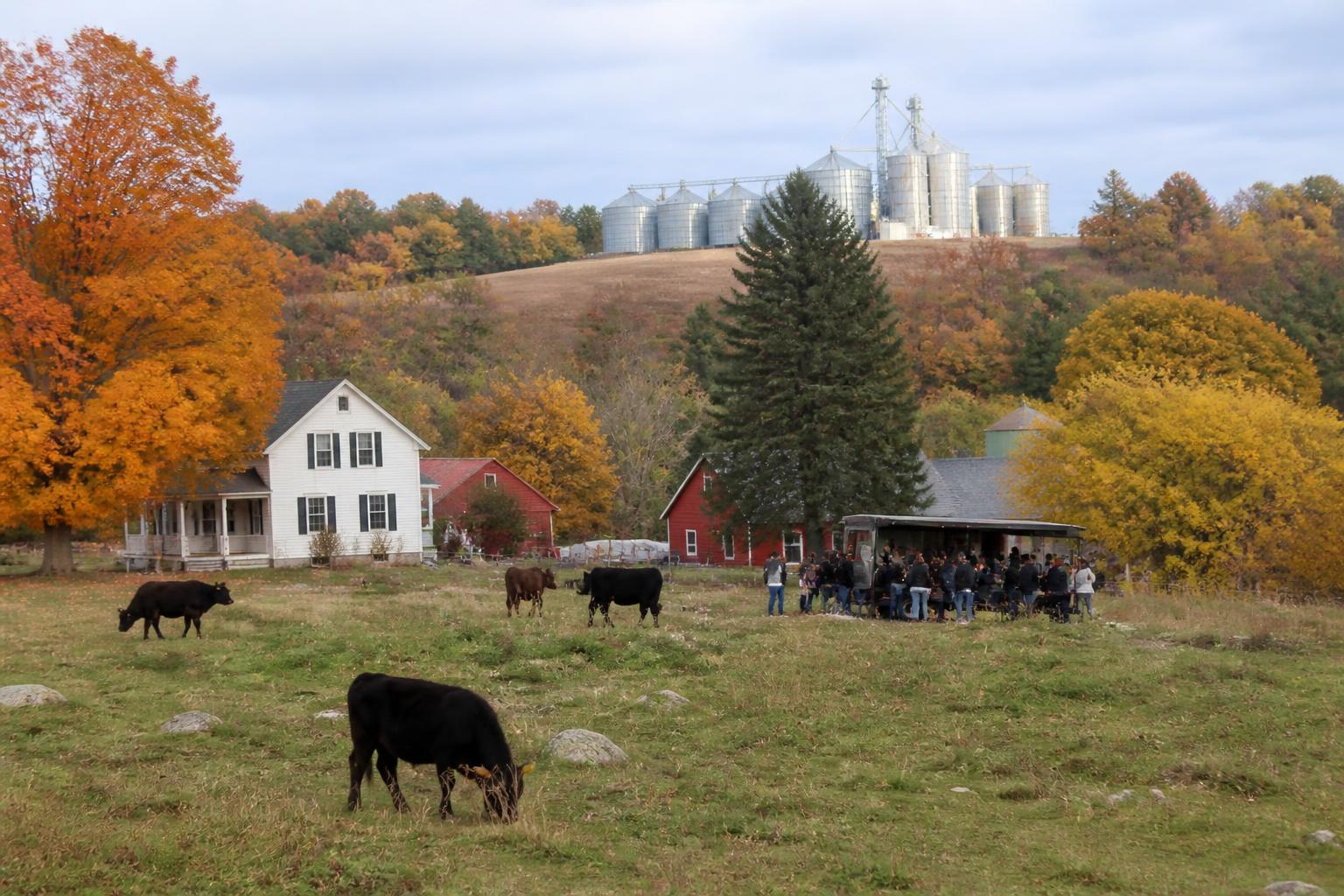
In the hills and valleys of West Virginia, the agricultural landscape faces a unique intersection of tradition and modern evolution. For many independent ranchers and family-run operations, maintaining a distinct market identity remains a cornerstone of economic stability. As larger, industrial models continue to expand, the value proposition for the state's smaller, localized production systems becomes increasingly centered on community connection and direct market access.
The Value of Localized Education
Building a resilient agricultural sector requires more than just capital; it necessitates a focus on the next generation of producers. Recent initiatives, such as the deployment of mobile agricultural science labs in schools like those in Aurora, highlight the effort to bridge the knowledge gap. By fostering early engagement with agricultural sciences, the industry aims to ensure that West Virginia farms remain viable and capable of adapting to future challenges. Understanding these fall season stewardship practices is essential for both established growers and new entrants looking to protect their assets before winter dormancy sets in.
Adapting to Industry Pressures
While global markets see rapid shifts, such as the introduction of new convenience-focused product lines in international markets, West Virginia producers often benefit from a more steady, albeit challenging, path. Ranchers and small-scale farmers in the state frequently lean into the quality of their local output to differentiate themselves from mass-produced competitors. Maintaining this edge requires diligent resource management, especially as seasonal changes dictate the movement of livestock and the storage of critical feed supplies.
What it means for the market
For agribusinesses and producers, the current environment signals a need for focus on efficiency and regional branding. As we head deeper into November, the focus shifts toward securing infrastructure and finalizing seasonal logistics. Farmers who emphasize sustainable practices and community-based education are likely to find themselves better positioned to weather long-term market fluctuations while maintaining the essential character of West Virginia agriculture.
Comments
No comments yet - be the first to share your take.