
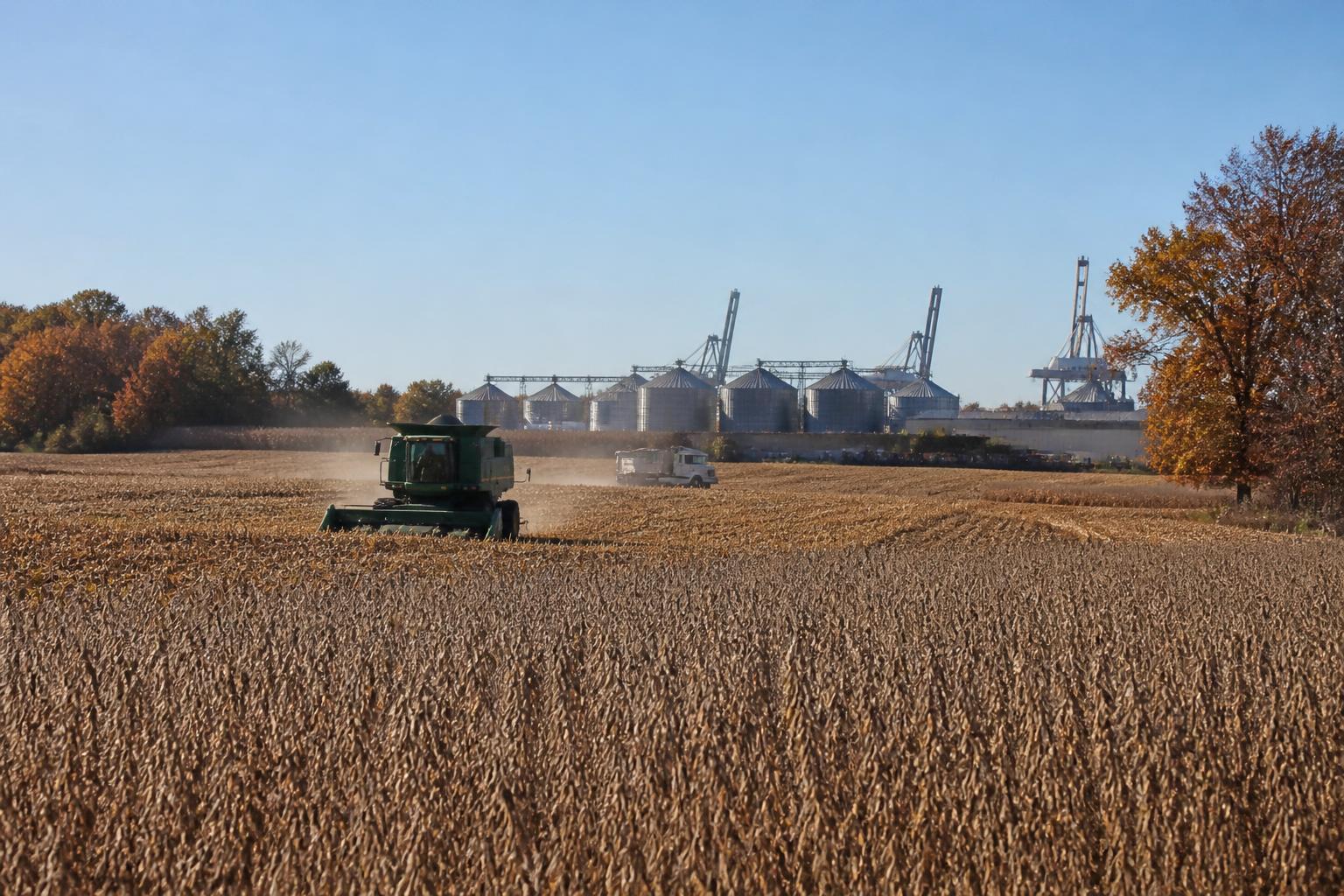
For Georgia producers and grain handlers, the mid-November stretch remains a critical period for assessing logistics efficiency. While regional harvest efforts wrap up, the focus shifts toward maintaining a steady movement of commodities toward critical transport hubs and export terminals. The current environment presents a complex picture of infrastructure development alongside persistent challenges in rail transportation.
Recent updates in local infrastructure, such as the logistics center project in White, Georgia, indicate a broader push to modernize facility support systems like sewage and perimeter access. These types of localized improvements are vital for keeping regional supply chains fluid. However, broader logistical challenges persist; nationwide data suggests mixed fulfillment rates for grain car orders across major rail carriers. For local elevators, this inconsistency often necessitates a more cautious approach to scheduling downstream shipments during peak seasonal windows.
Understanding Transport Dynamics
Grain movement is heavily influenced by how efficiently rail and trucking capacity can be managed to meet demand. For those navigating Georgia agricultural logistics, maintaining clear communication with regional rail providers is essential, as the industry continues to balance high output with fluctuating carrier performance. Fluctuations in the availability of grain cars can affect the timing of storage outflows, often forcing handlers to rely on secondary transport options or staggered shipping schedules.
Beyond rail logistics, producers are reminded to maintain vigilance in the equipment market. As investment in new technology or replacement machinery increases, the rise in sophisticated online scams targeting farmers has become a notable concern. It is critical to verify the legitimacy of any equipment deal before committing capital, regardless of the perceived urgency of the purchase.
What it means for the market
The current market landscape emphasizes the need for flexibility in logistics planning. As we transition through late fall, Georgia agribusinesses should prioritize building buffer time into their transport contracts and remain cautious of procurement risks in the secondary equipment market. Monitoring carrier fulfillment trends closely will be the best strategy for managing grain flows as we look toward year-end inventory objectives.
Comments
No comments yet - be the first to share your take.