
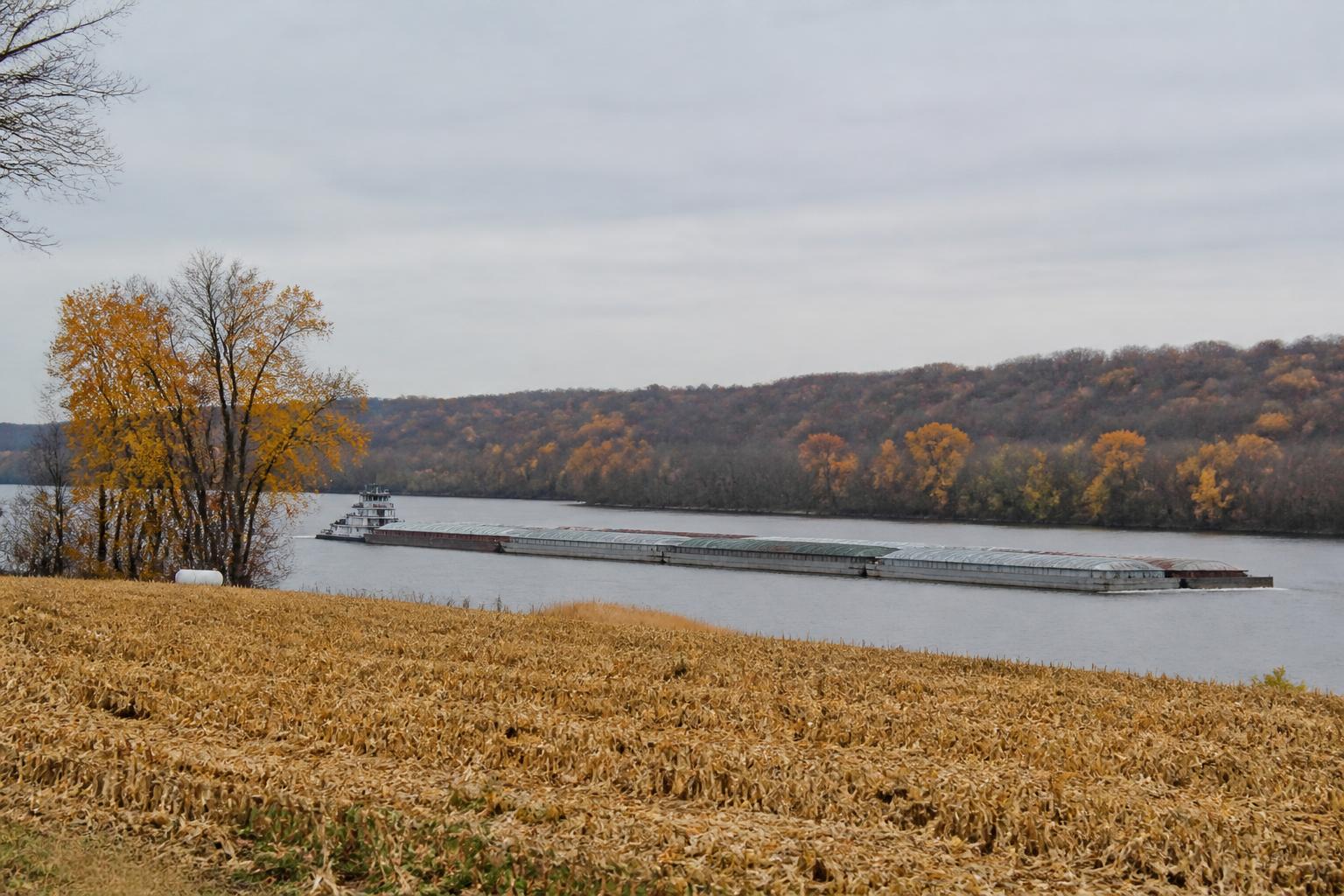
As harvest activity continues across the country, the efficiency of inland waterway transit remains a critical factor for grain movement. Industry analysts have highlighted that a shrinking and aging barge fleet is beginning to pose risks to the cost structure of agricultural exports heading to the Gulf. With demand remaining firm, these logistics constraints may influence how effectively American grain can compete on the global stage.
Maintaining fluid movement along the Mississippi River corridor is essential for producers and elevator operators alike. Low water levels, which typically fluctuate during the fall, continue to be a primary variable that can halt transit or mandate lighter loads. When water levels drop below critical depths, the ripple effect on logistics costs can be significant, directly impacting farm-gate prices.
Managing Logistic Bottlenecks
The reliance on river transport is often supplemented by rail, yet the rail sector faces its own distinct set of challenges. Organizations such as the National Grain and Feed Association continue to monitor rail mergers and service metrics closely. As noted in recent assessments of rail logistics, balancing intermodal volumes against grain service requirements remains a delicate task for operators. Stakeholders looking to mitigate risk are often diversifying their logistics strategy by tracking regional barge and rail grain movement updates to anticipate potential service gaps.
Infrastructure and Future Resilience
The long-term concern remains whether current infrastructure can keep pace with shifting export demands. While producers in states like Virginia are actively investing in infrastructure and safety to boost resilience, the national inland system requires sustained attention. Capital expenditures in terminals and port capacity are often discussed as necessary buffers against fleet aging, but such projects take time to manifest into lower freight rates for the average handler.
What it means for the market
For grain handlers and producers, the combination of an aging barge fleet and water-level volatility suggests that freight premiums may remain elevated. It is essential to keep a close eye on waterway reports and rail performance indicators throughout the late fall. If barge availability tightens further, local basis levels may see pressure as elevators adjust their capacity to absorb higher logistics costs.
Comments
No comments yet - be the first to share your take.