
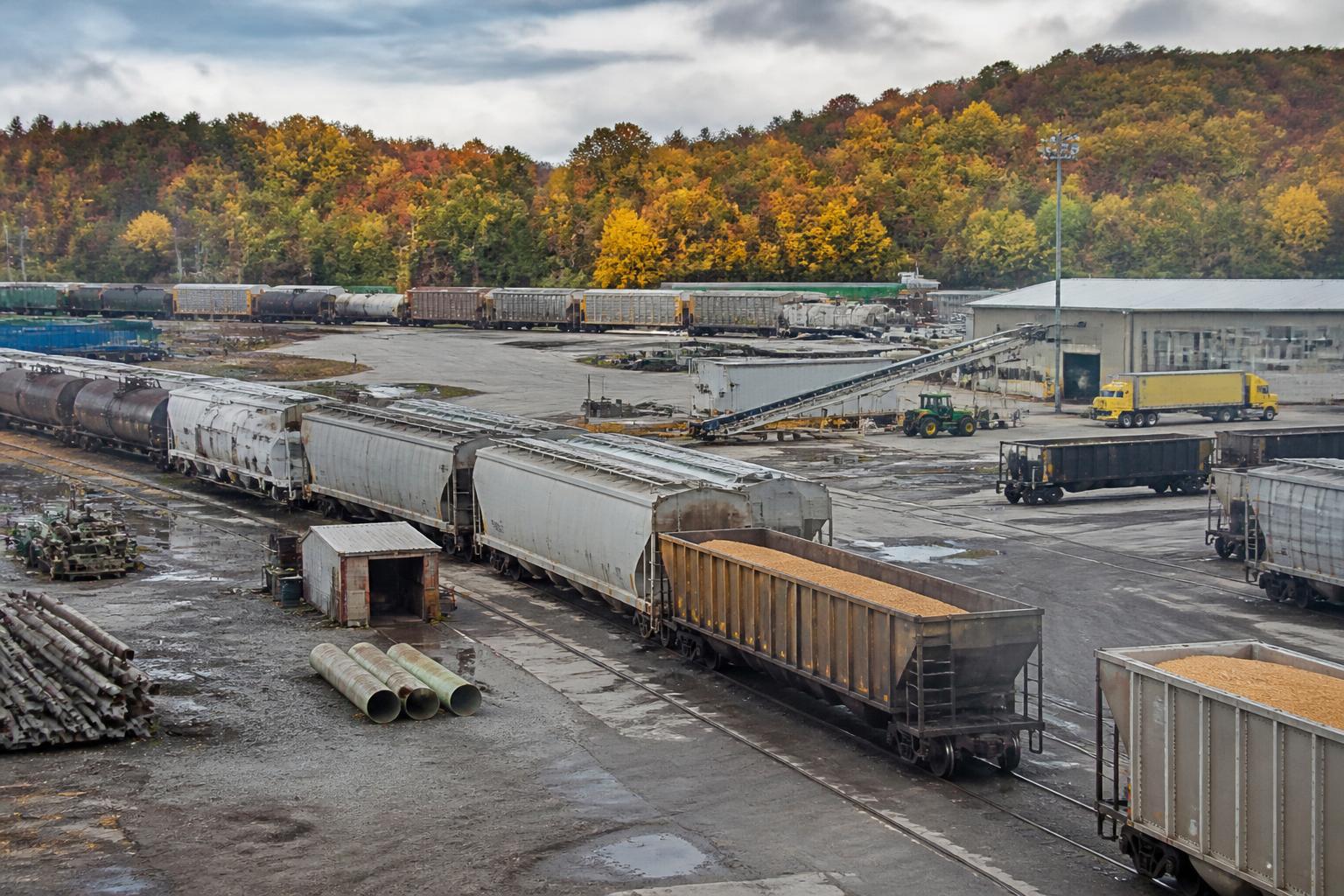
The Shift in Rail Freight Composition
As we move through the final stages of the fall harvest, U.S. rail corridors are experiencing a notable divergence in traffic patterns. Recent data indicates that containerized shipments are currently leading the charge across major networks, often occupying priority slots in dispatch schedules. For grain elevators and agribusinesses, this trend highlights the ongoing competitive pressure for rail capacity between high-value intermodal goods and seasonal bulk agricultural commodities.
Understanding Service Variability
While demand for rail remains robust, the operational reliability of Class I carriers has shown significant mixed performance. Some routes are maintaining consistent transit times, while others continue to report localized delays that can ripple through regional supply chains. Understanding these variances is crucial for producers and cooperatives planning their Q4 and early winter shipping schedules, as reliability often fluctuates depending on the carrier and the corridor.
For those managing heavy grain flows, staying informed on current national logistics trends is an essential part of mitigating bottlenecks. Maintaining open communication with your specific railroad representatives regarding car placement and anticipated empty returns may help in navigating periods of inconsistent performance.
Managing Expectations During Peak Flow
As harvest intensity peaks in many regions, the demand for hopper cars remains elevated. Producers may notice that secondary rail markets show heightened sensitivity to carrier performance, where even minor service disruptions can lead to significant delays in spot pricing realization. Evaluating your facility's storage capacity against potential rail delays is a practical risk management strategy during this busy time of year.
Key Takeaways for Shippers:
- Prioritize load-out schedules based on real-time carrier performance data.
- Maintain buffer capacity at grain elevators to account for potential rail service fluctuations.
- Track regional container volume trends to anticipate potential congestion at major rail interchanges.
What it means for the market: For the broader agricultural sector, the prioritization of containerized traffic over bulk shipments suggests that grain handlers must remain agile. By diversifying logistics strategies and monitoring carrier-specific service metrics, market participants can better insulate their bottom lines against the volatility inherent in current rail operations.
Comments
No comments yet - be the first to share your take.