
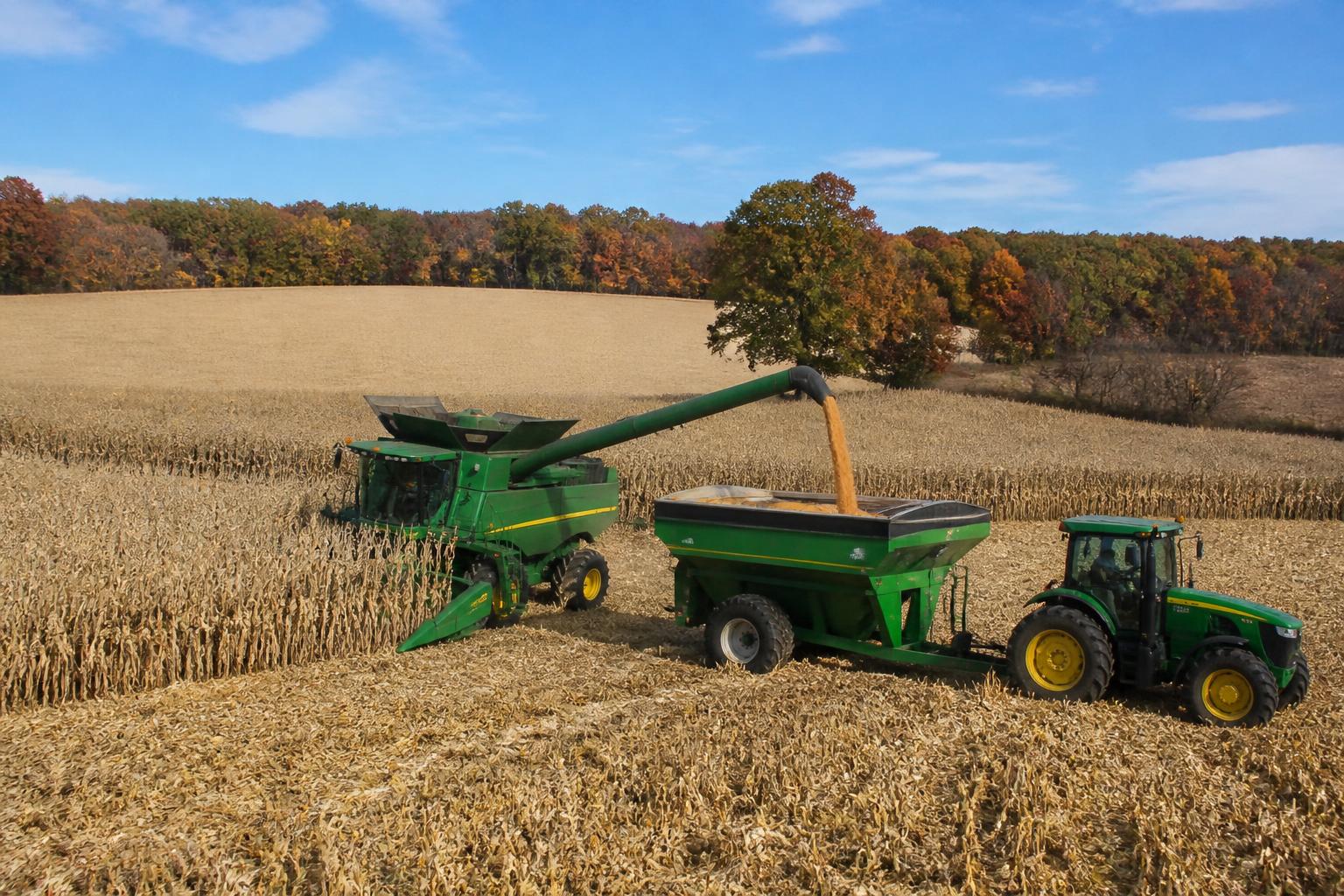
Strengthening On-Farm Resilience
Virginia farmers are seeing a fresh infusion of support aimed at fortifying local production systems. With recent funding allocations reaching hundreds of thousands of dollars, producers across the state are better positioned to tackle ongoing challenges related to crop diseases and food safety protocols. These resources are designed to help operations maintain high-quality yields, providing a much-needed buffer against the biological pressures that can threaten profit margins during the tail end of the fall season.
As growers assess their harvest outcomes, integrating these new safety and production technologies is becoming a priority. By upgrading farm-level infrastructure, producers can effectively decrease post-harvest losses and ensure that Virginia goods remain competitive in broader supply chains. Investing in these preventative measures helps sustain the long-term viability of small-to-medium-sized operations that are essential to the state's agricultural backbone.
Refining Supply Chain Connectivity
Efficient movement of goods remains the lifeblood of our state's ag sector, especially as harvest activities wrap up and preparations for winter transit begin. Ensuring that regional logistics keep pace with output is a consistent point of focus for local stakeholders. Strengthening Virginia's logistics network and regional connectivity is essential to moving products from rural fields to processing hubs without unnecessary bottlenecks.
While strategic discussions regarding global trade often dominate headlines, the practical reality for the local handler is about road weight limits, equipment availability, and timing. For many farmers in the Commonwealth, focusing on local transport efficiency ensures that investment in crop protection actually translates into higher realized revenue at the elevator.
What it means for the market
For the average Virginia agribusiness, these developments signal a period of cautious but necessary investment. While national trade logistics are often outside the control of individual farmers, maximizing on-farm safety and local transport reliability is well within reach. By leveraging new grants and optimizing regional delivery routes, producers can better manage the volatility inherent in today's commodity environment, ensuring that a successful fall harvest is not offset by preventable logistical or biological losses.
Comments
No comments yet - be the first to share your take.