
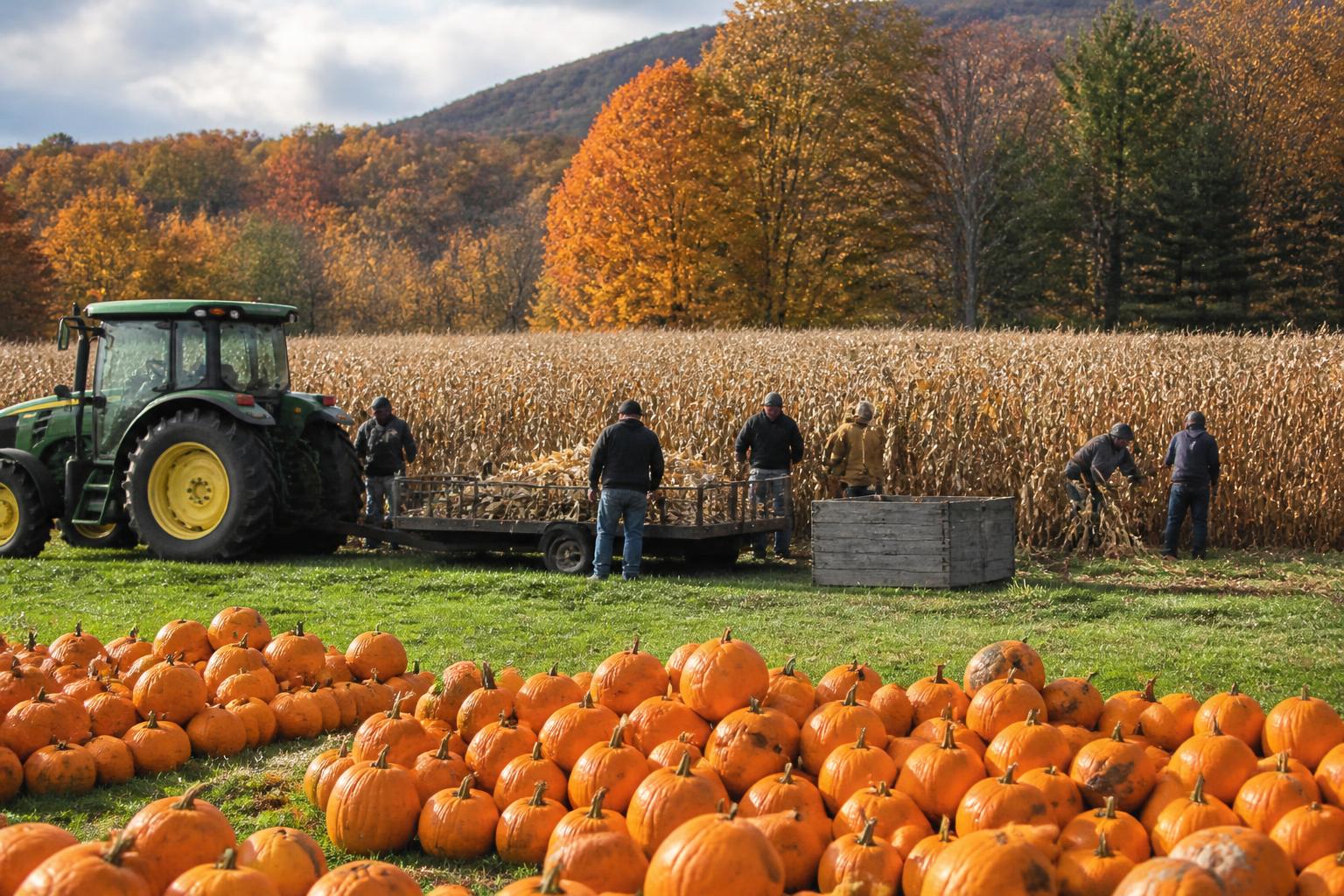
As the fall season progresses across New Mexico, producers are balancing the final stages of seasonal field management with a heightened focus on input efficiency and disease mitigation. The agricultural landscape remains dynamic, particularly as market shifts influence how regional operations approach crop protection and herd maintenance.
For those managing tillage and weed control strategies, the availability of new, targeted chemical solutions continues to draw attention. Selecting the right tools for residual weed management is increasingly vital to ensuring that soil health and fertility are preserved for the upcoming cycles. Producers are encouraged to evaluate their current inventory against the latest industry offerings, as these tactical adjustments in protection can significantly impact long-term yield potential.
Prioritizing Biosecurity in Livestock Operations
Beyond the field, the state's livestock sector faces continued pressure to maintain strict biosecurity protocols. As reports of bird flu continue to appear in dairy herds across various states, the urgency for rigorous health monitoring has never been higher. Maintaining a proactive stance—by limiting herd exposure and coordinating closely with local veterinary officials—remains the most effective defense for protecting the health of New Mexico's dairy and livestock populations.
For a deeper dive into regional health security, see New Mexico Livestock Producers Urged to Maintain Biosecurity Vigilance. Staying current on these health alerts is essential for those balancing trade activity with on-farm safety.
Adapting to Evolving Trade Landscapes
The broader economic environment, characterized by shifting trade policies and international competition, also plays a role in local decision-making. As global markets fluctuate, understanding how external trade agreements and crop protection supply chains affect domestic costs is critical. When input prices or demand patterns shift, the flexibility of local agribusinesses to pivot their strategies often dictates seasonal profitability.
For more on how shifts in logistics and international movement influence your bottom line, consider the implications outlined in Cross-Border Logistics and Input Trends Impacting New Mexico Producers.
What it means for the market
The current market environment demands a dual-track approach: rigid adherence to biosecurity to safeguard livestock assets, combined with a highly analytical strategy toward input procurement. By prioritizing reliable, targeted crop protection and remaining alert to evolving health risks, New Mexico producers can better insulate their operations against broader supply chain volatility and emerging biological threats as they look toward the next production season.
Comments
No comments yet - be the first to share your take.