
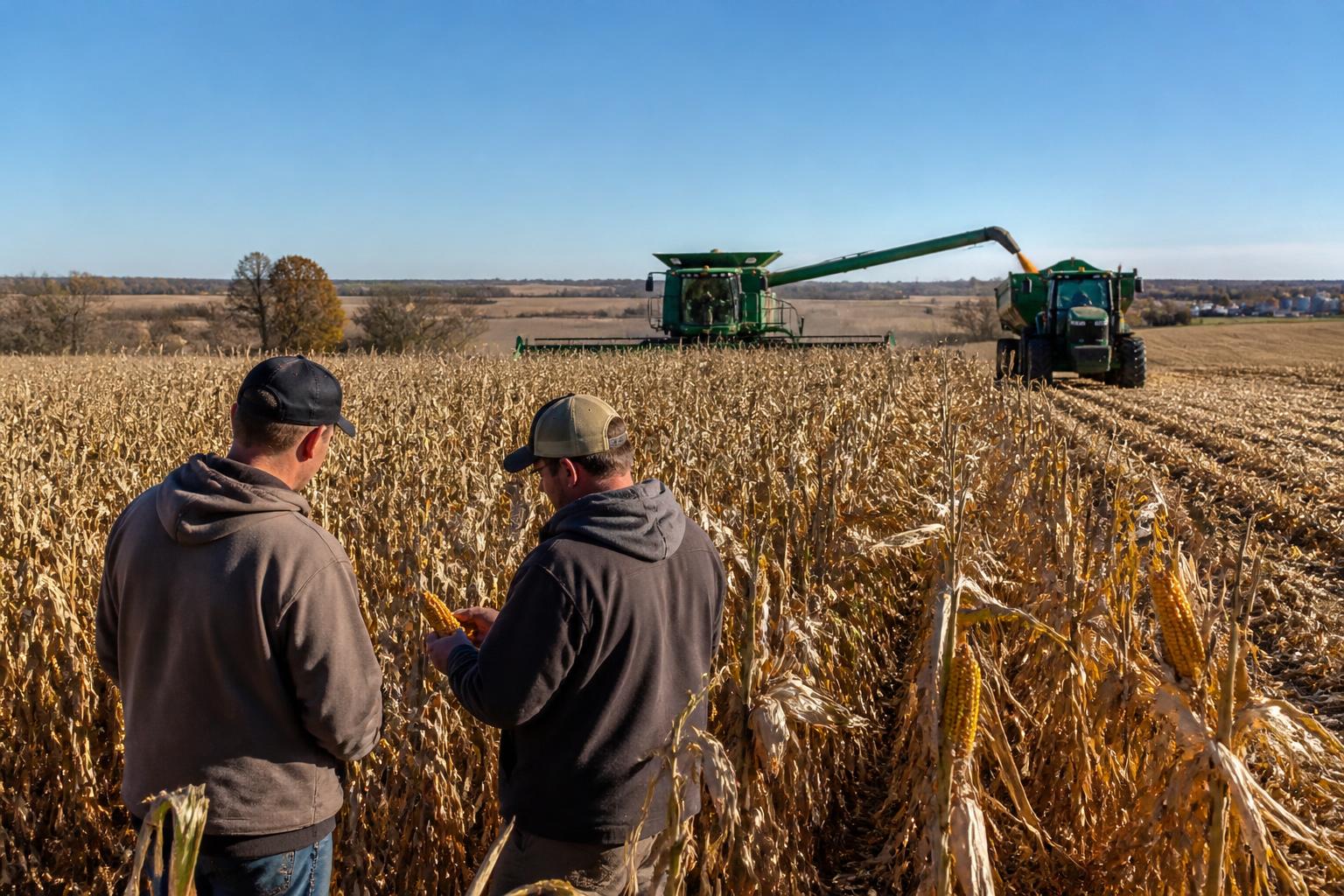
As New Mexico producers conclude their late-season operations, the focus is shifting toward procurement and planning for the next production cycle. With global agricultural inputs facing increased scrutiny and price volatility, understanding the shifting landscape of crop protection and soil health management has become essential for local agribusinesses.
Producers across the state, from the high desert plains to the fertile river valleys, are increasingly exploring alternative management tools. The integration of advanced crop protection technologies and biostimulants is becoming a common strategy to mitigate yield risks associated with unpredictable weather patterns often observed in our region.
Adapting to Input Market Uncertainties
The global market for fertilizers and crop protection chemicals remains sensitive to trade flows and manufacturing output. For New Mexico growers, this often translates to a need for early-season planning when securing necessary inputs. As cross-border logistics continue to influence local availability, building strong relationships with regional distributors is a practical step to ensure supply consistency.
Furthermore, the industry is seeing a transition toward products designed to combat resistant threats, such as specialized fungicides. As international regulations shift, some older chemistries are being phased out, prompting a move toward newer, more targeted applications that offer greater efficacy while aligning with broader environmental stewardship goals.
Biosecurity and Herd Management
Beyond crop inputs, livestock producers in the state must remain vigilant. Maintaining rigorous biosecurity practices remains the frontline defense against emerging pests and diseases. Protecting the health of our herds is not just a regulatory requirement but a cornerstone of New Mexico's economic stability in the livestock sector.
What it means for the market
For the upcoming season, the volatility in input prices and regulatory changes will likely favor operations that prioritize efficiency and supply chain diversification. By monitoring shifts in global trade and focusing on precision-based pest and crop management, local producers can better insulate their bottom lines from international market shocks while maintaining the productivity of their land.
Comments
No comments yet - be the first to share your take.