
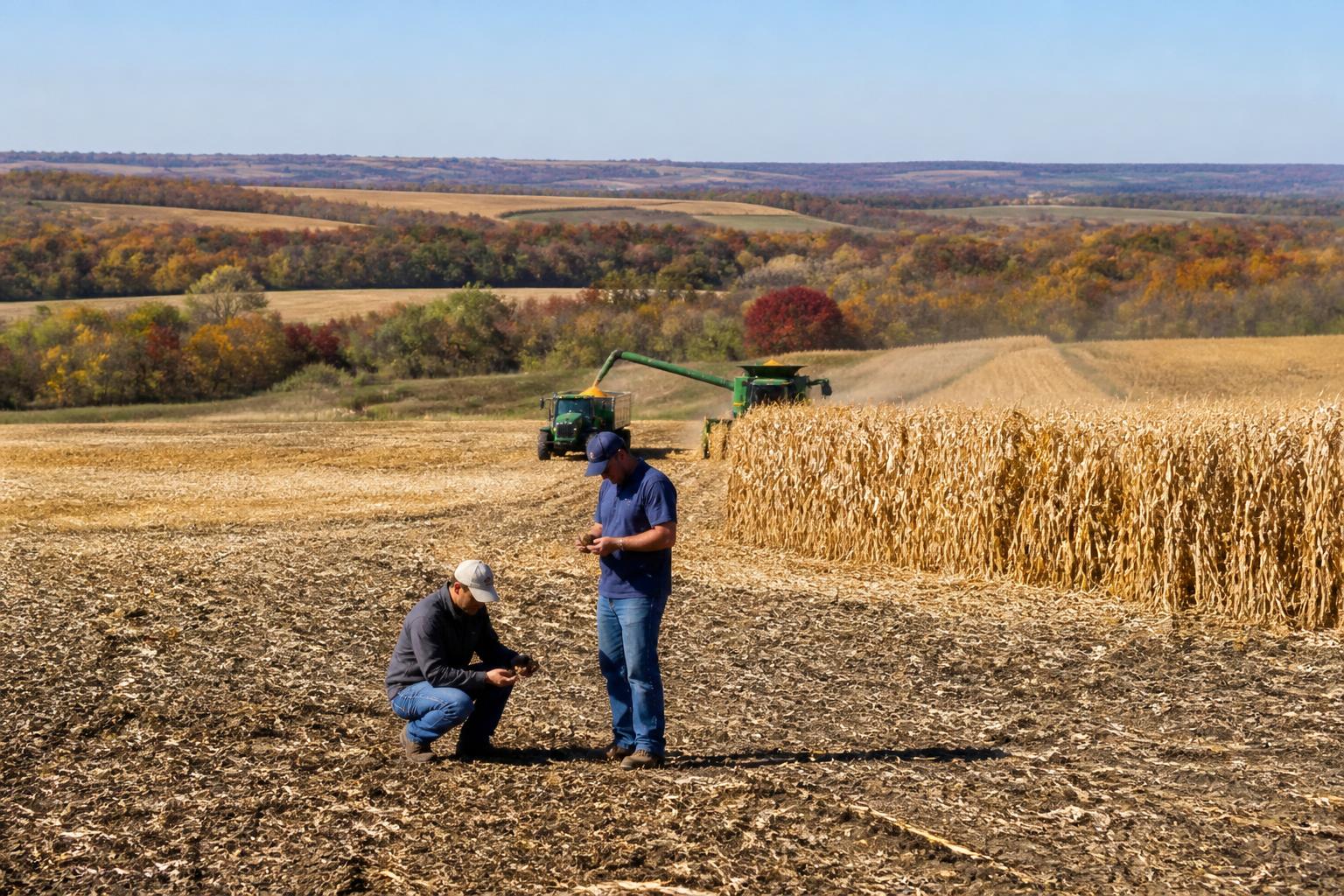
As Florida producers move through the fall, the focus shifts toward maintaining soil health and securing input supply lines to prepare for the upcoming growing cycle. Managing the specific challenges of Florida's soil, particularly in north central and south central agricultural corridors, requires a nuanced approach to nutrient application. Consistent monitoring of nitrogen and potash levels remains a priority for optimizing yields, especially as growers account for the persistent heat that characterizes the state's longer-than-average growing seasons.
Recent developments in soil science suggest that addressing soil acidity through targeted liming may be an effective strategy for helping crop root systems withstand periods of intense heat stress. For many farmers, this underscores the importance of precision in input application. Integrating these practices with broader asset realignment strategies helps businesses stay agile in a market where fertilizer availability and pricing fluctuate based on global supply chains.
Expanding Conservation and Land Stewardship
Beyond immediate crop production, land conservation has emerged as a significant economic and operational theme across Florida. Large-scale investments in land conservation are reshaping how producers view long-term asset management. As more acreage is designated for environmental protection, farmers are often re-evaluating their operational footprints to maximize efficiency on existing cultivated land.
This shift aligns with a broader state-wide trend where land stewardship is increasingly tied to long-term profitability. Understanding the interplay between land protection initiatives and agricultural output is essential for agribusinesses planning their multi-year strategies. Producers who successfully balance these conservation goals often find themselves better positioned to adapt to regional shifts in land use policy.
Operational Resilience in a Competitive Climate
The agricultural landscape in Florida continues to evolve as growers adopt technology and strategies to mitigate environmental risks. From protecting sensitive crops against weather extremes to ensuring that logistical pipelines for inputs remain clear, the pressure to maintain productivity remains high. While the state's agriculture continues to thrive as an economic driver, the ability to pivot in response to both environmental and regulatory shifts is what separates successful operations.
Producers are also mindful of how regulatory and supply realignments impact their daily decision-making, particularly when coordinating labor and machinery across diverse regional microclimates. Staying informed on these trends ensures that operators can react swiftly to any disruptions in the input or distribution channels.
What it means for the market
For Florida agribusinesses, the current market environment emphasizes the need for a dual focus: optimizing immediate soil and input efficiency while accounting for the long-term impacts of land conservation and shifting regulatory policies. Maintaining a proactive stance on soil health and supply chain monitoring will be critical as producers head into the winter months.
Comments
No comments yet - be the first to share your take.