
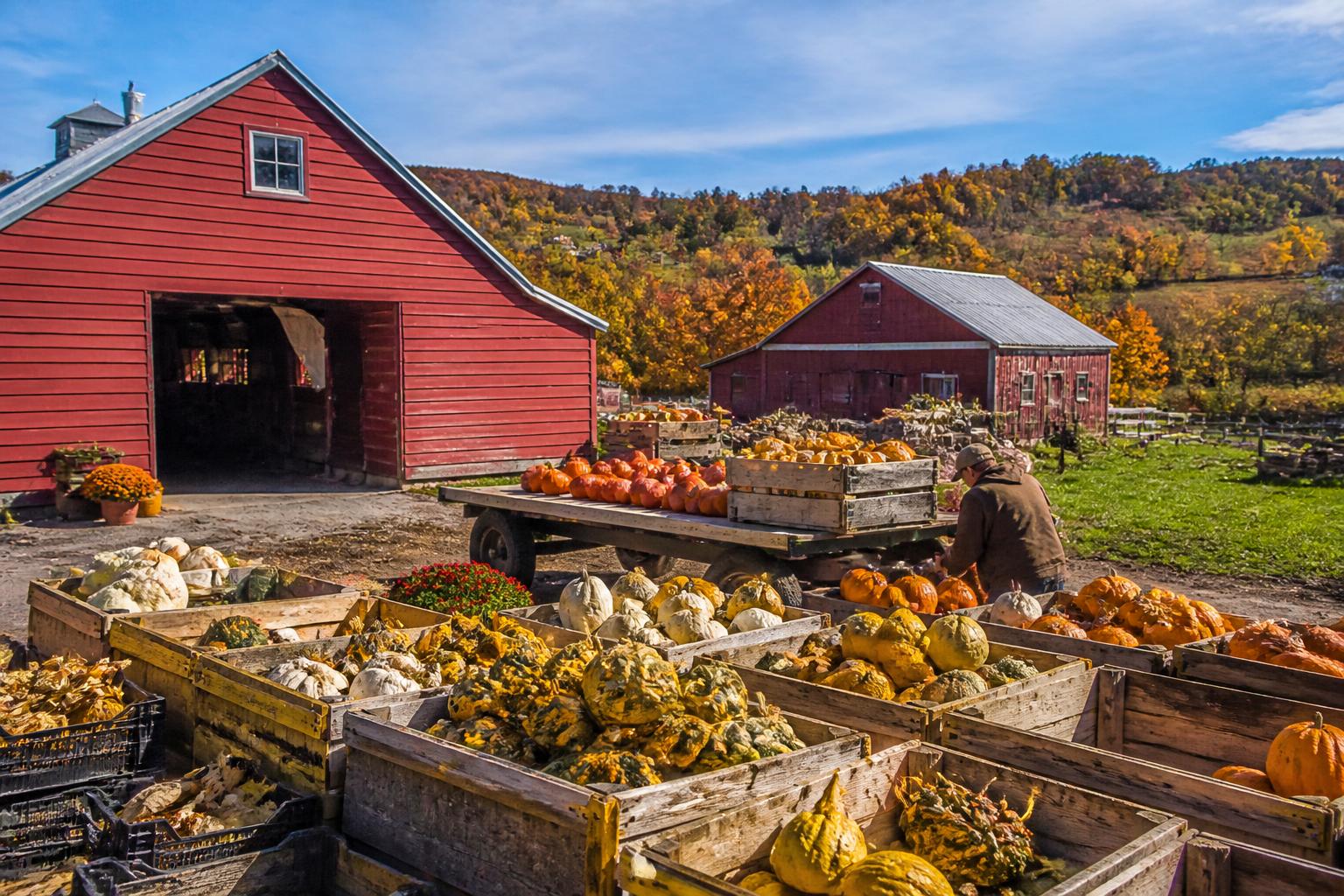
In an era of unpredictable global supply chains and shifting international trade dynamics, New Hampshire producers are increasingly looking toward localized production models to bolster security. For many operations, this shift emphasizes the need for strengthening farm resilience through smarter land management and direct regional supply chain integration.
The Value of Local Land Access
The recent interest in farmland acquisition—such as initiatives aimed at restoring traditional land ties—highlights a broader trend of prioritizing local ownership. When growers hold secure, long-term access to their acreage, they are better positioned to invest in the infrastructure needed for diversified, small-scale production. This stability is often essential for farmers balancing the volatile costs of inputs with the demand for locally sourced products.
Navigating Market Pressures
New Hampshire agriculture often faces unique challenges, from the high costs of logistical coordination to the necessity of meeting specific sanitary and phytosanitary (SPS) standards for specialized markets. Farmers who focus on high-quality, regional output may find a buffer against the fluctuations that plague global commodity markets. By minimizing reliance on long-distance logistics, operations can often improve their margins and maintain better control over product quality.
Sustainability as a Business Asset
Integrating sustainability into farm management is no longer just an environmental consideration; it is a fundamental business strategy. Whether through improved soil health initiatives or adopting resource recovery practices, New Hampshire businesses are finding that efficient resource use directly correlates to lower operational overhead. Aligning production with community needs ensures a consistent, loyal customer base that values transparency and local sourcing.
What it means for the market
For New Hampshire agribusinesses, the move toward localized food security represents a shift in strategy rather than just a trend. Producers should evaluate their current land use and supply chain dependencies to identify where localized improvements can be made. As global trade policies continue to evolve, the ability to pivot toward local demand will likely remain a competitive advantage for farms across the Granite State.
Comments
No comments yet - be the first to share your take.